


Did you know that Hong Kong is home to the Chinese white dolphin (Sousa chinesesis), also known as pink dolphins, and it is possible to see them in their natural habitat off the coast of Lantau Island near Tai O Fishing Village?
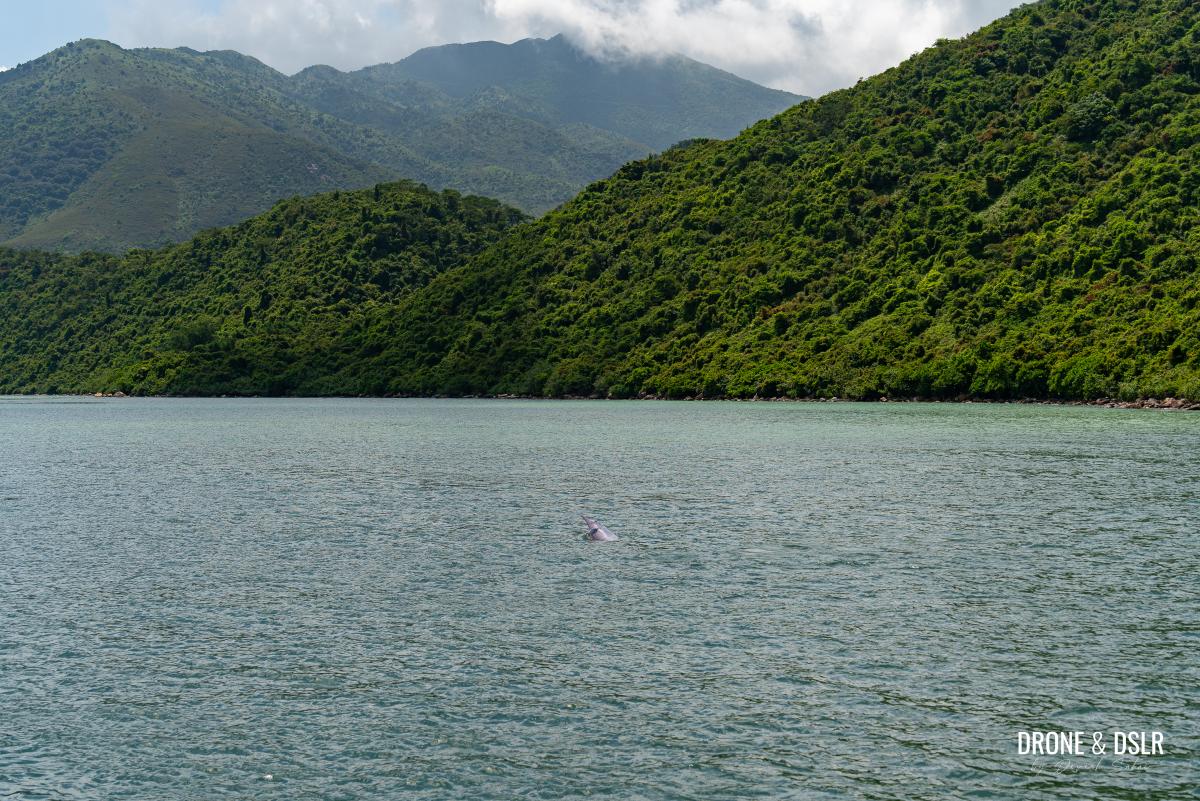
Spotting the Chinese white dolphins near Lantau Island
During our time in Hong Kong, we’ve been on the official HK DolphinWatch cruise twice, and have had the most incredible and enlightening experiences!
Witnessing pink dolphins frolic in their natural environment is honestly one of the best experiences in Hong Kong! So, lets talk about everything that you need to know about seeing Hong Kong pink dolphins.
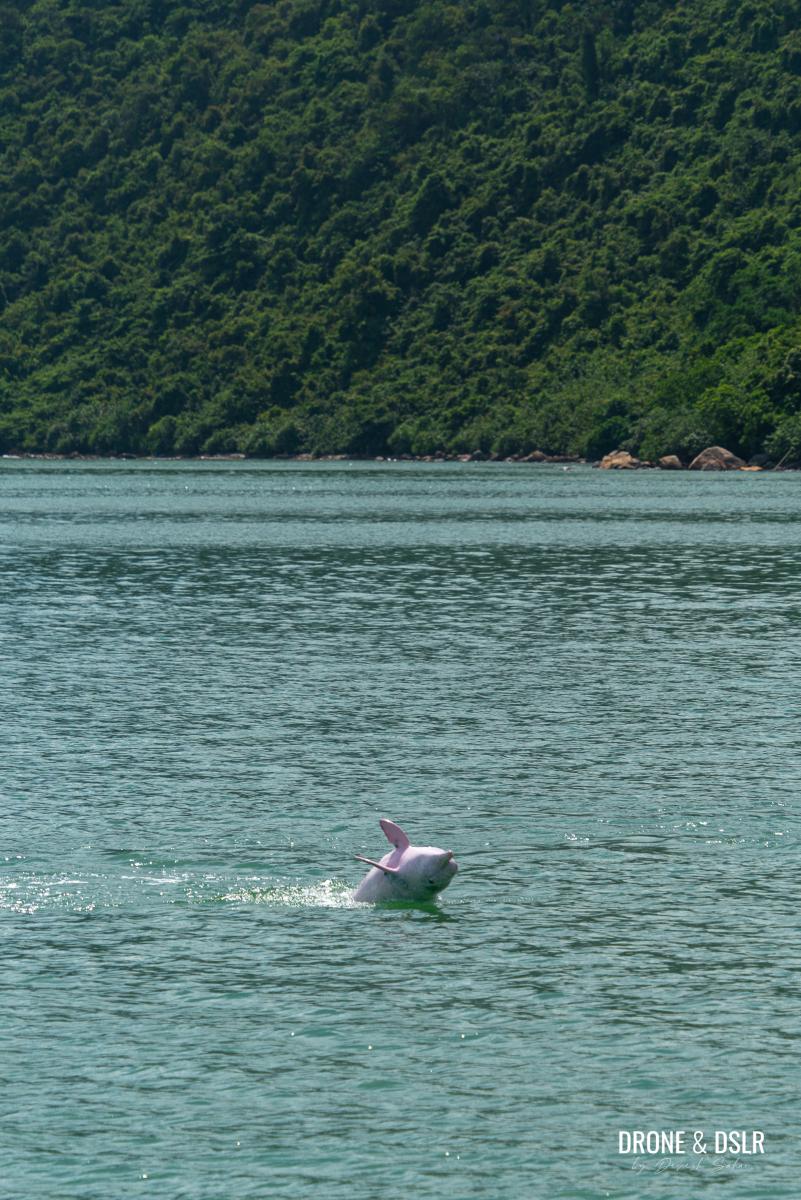
What an incredible sight, watching these dolphins jump
About Hong Kong’s Pink Dolphins
The Chinese white dolphin, also known as the Indo-Pacific humpback dolphin, is a fascinating coastal species. They’re found from South Africa to China and northern Australia, and often stay close to shorelines.
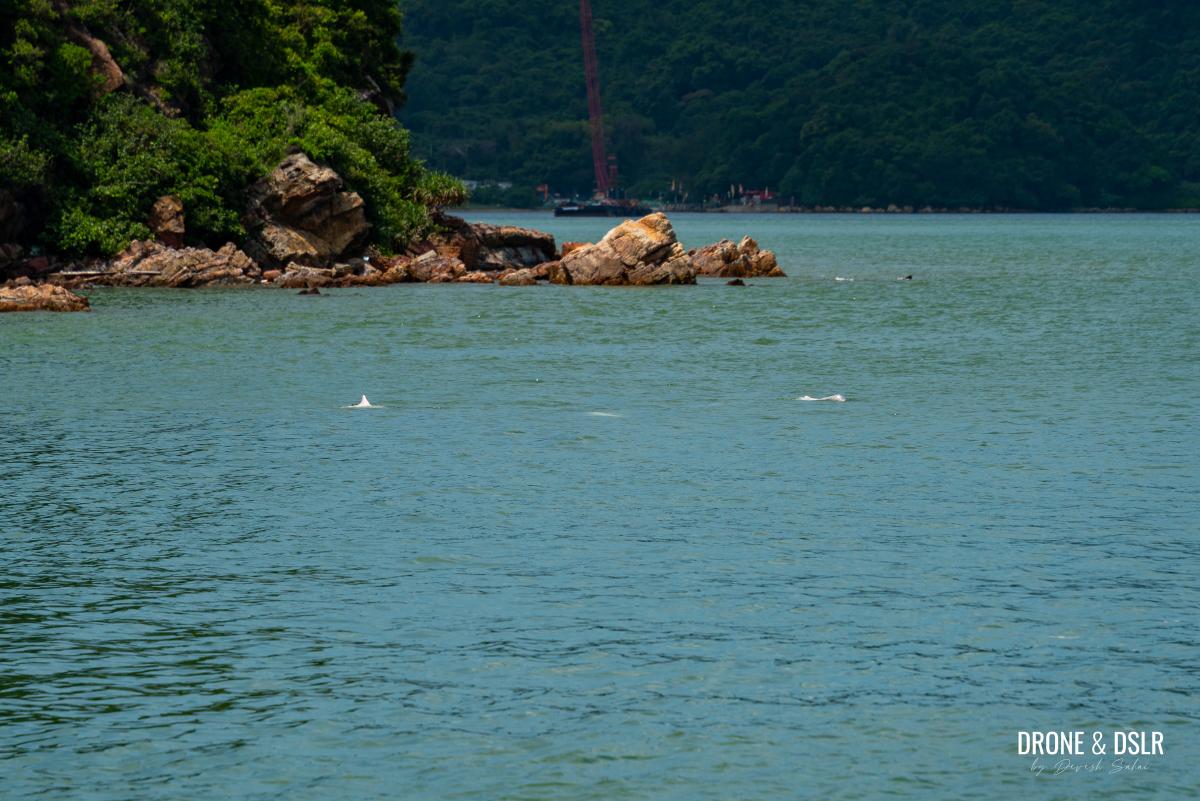
There’s a pod of dolphins in the distance
In the eastern part of their range, like here in Hong Kong, these dolphins favour estuaries near major river mouths. While those in southern China and nearby waters are famously pink, populations further south and west tend to be grey or brown.
In Hong Kong, they’re most commonly spotted north of Lantau Island and around the Soko Islands. Occasionally, a few adventurous dolphins venture as far as northeast Lantau or even Peng Chau. Rare sightings have been reported in unexpected places like Junk Bay and Hebe Haven near Sai Kung!
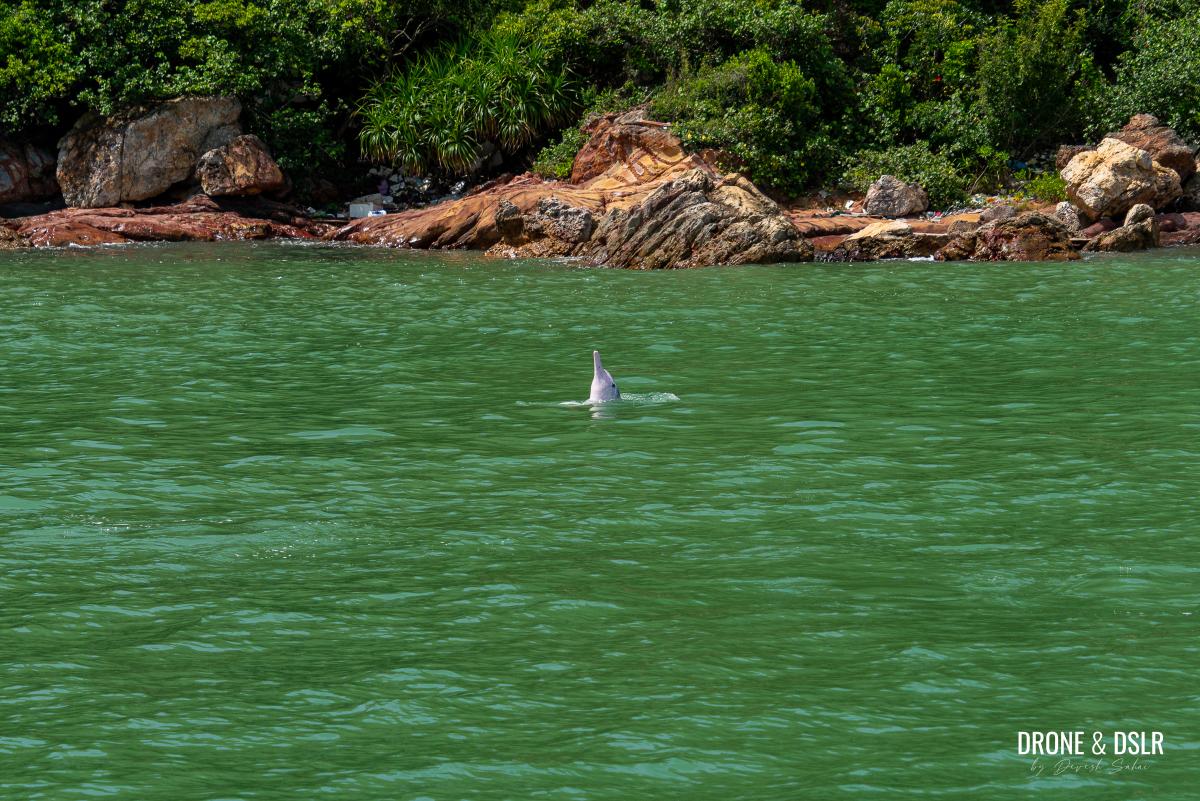
Hello, pink dolphin!
Despite their striking appearance, much about these dolphins remains a mystery. Serious scientific research only began in the 1990s. Before then, they were virtually unknown, even to locals!
Their sudden fame came when Chek Lap Kok, a remote island in their core habitat, was transformed into what is today Hong Kong’s International Airport. The land reclamation and construction brought the dolphins into the spotlight and also raised concerns about their survival.
From Grey to Pink: Chinese White Dolphin Facts
Chinese white dolphins are born dark grey, measuring about one meter long. Their gestation period lasts between 10 months to a year.
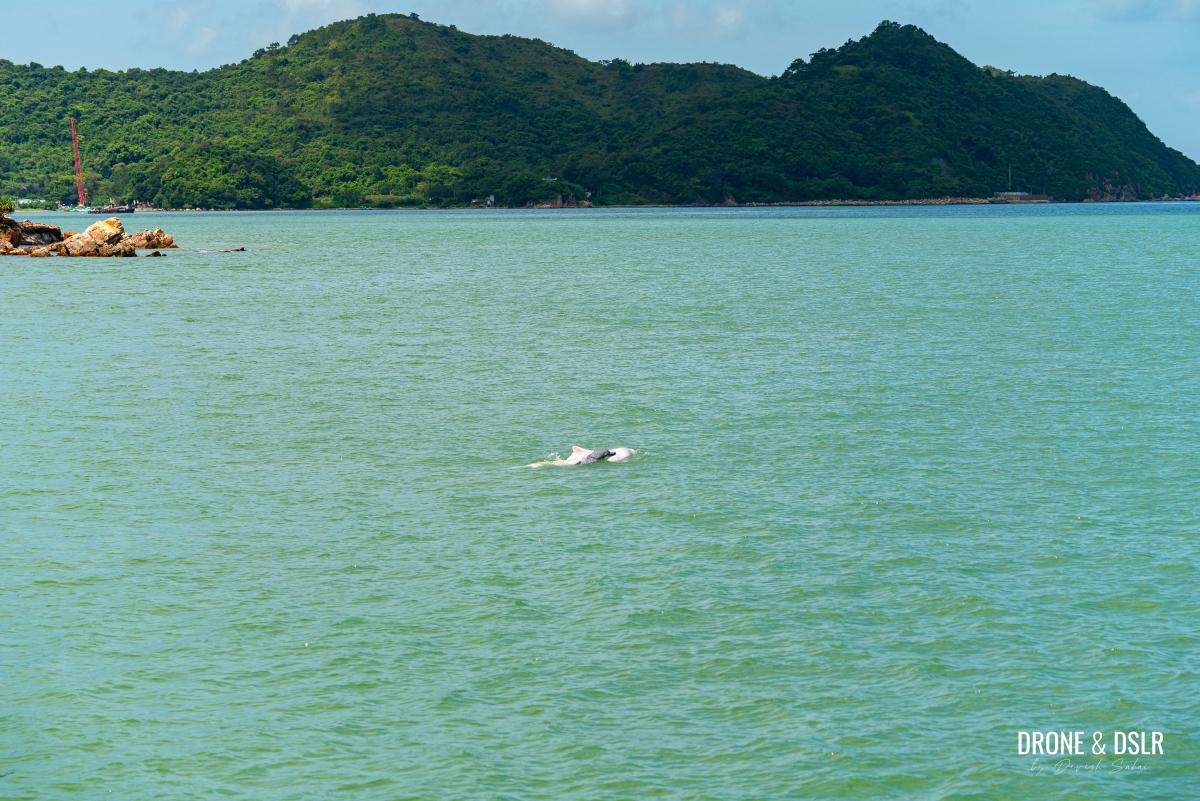
Grey baby, pink mother
Within months, their colour begins to fade to light grey. Over the next few years, the grey gradually disappears, starting at the fins and tail, leaving behind a stunning pink or white base with faint grey speckles.
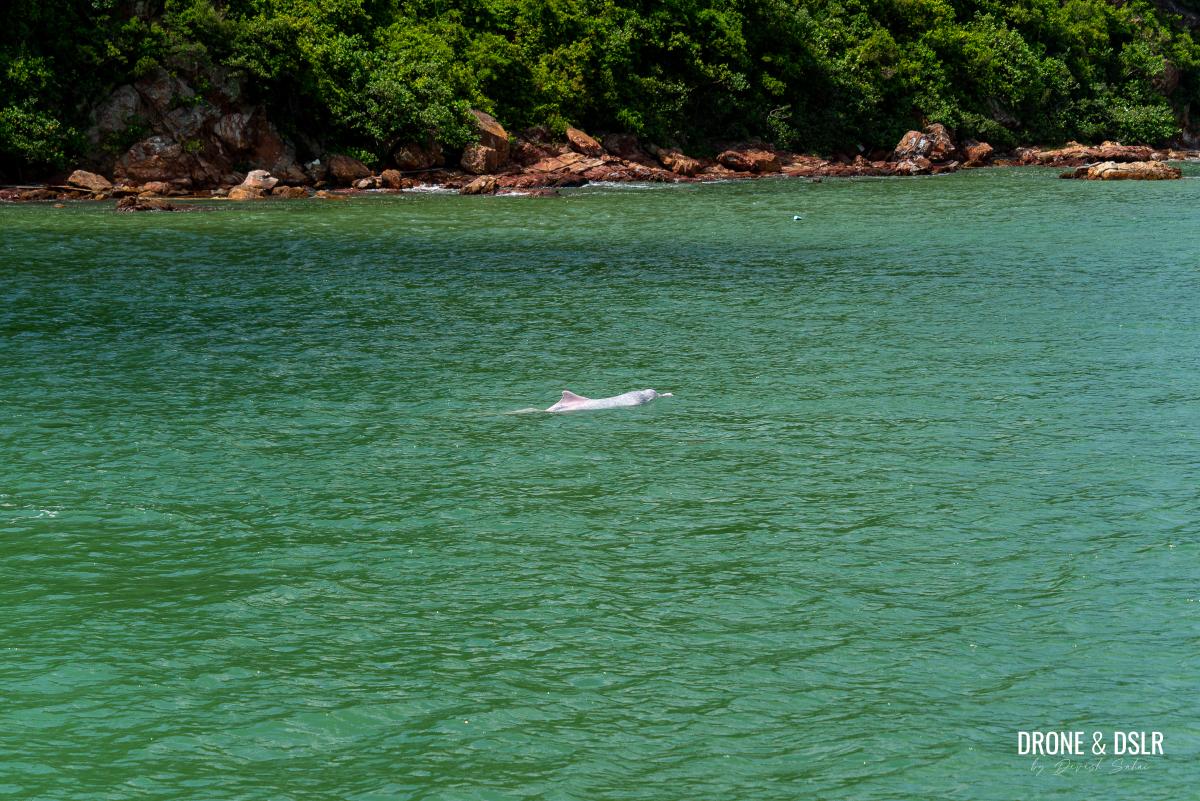
Pink with some grey
So, why are they called pink dolphins? Scientists believe it’s due to “blushing”. That’s when the blood vessels near the skin’s surface pump blood to help regulate body temperature, giving them their rosy hue.
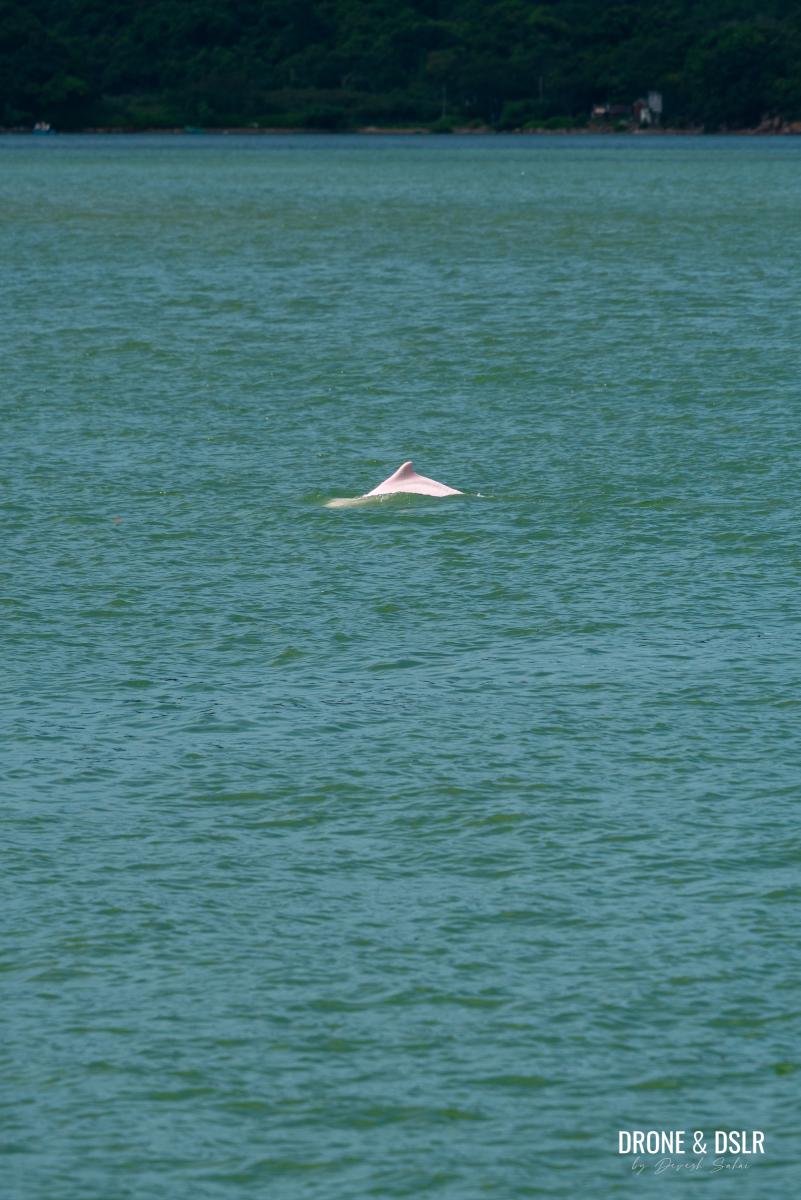
The pink colour of the dolphin
Females reach maturity around 10 years, males a bit later. They give birth to one calf at a time, with mothers nursing for up to three years before having another baby. Newborns rely only on milk at first, slowly learning to hunt and gain independence.
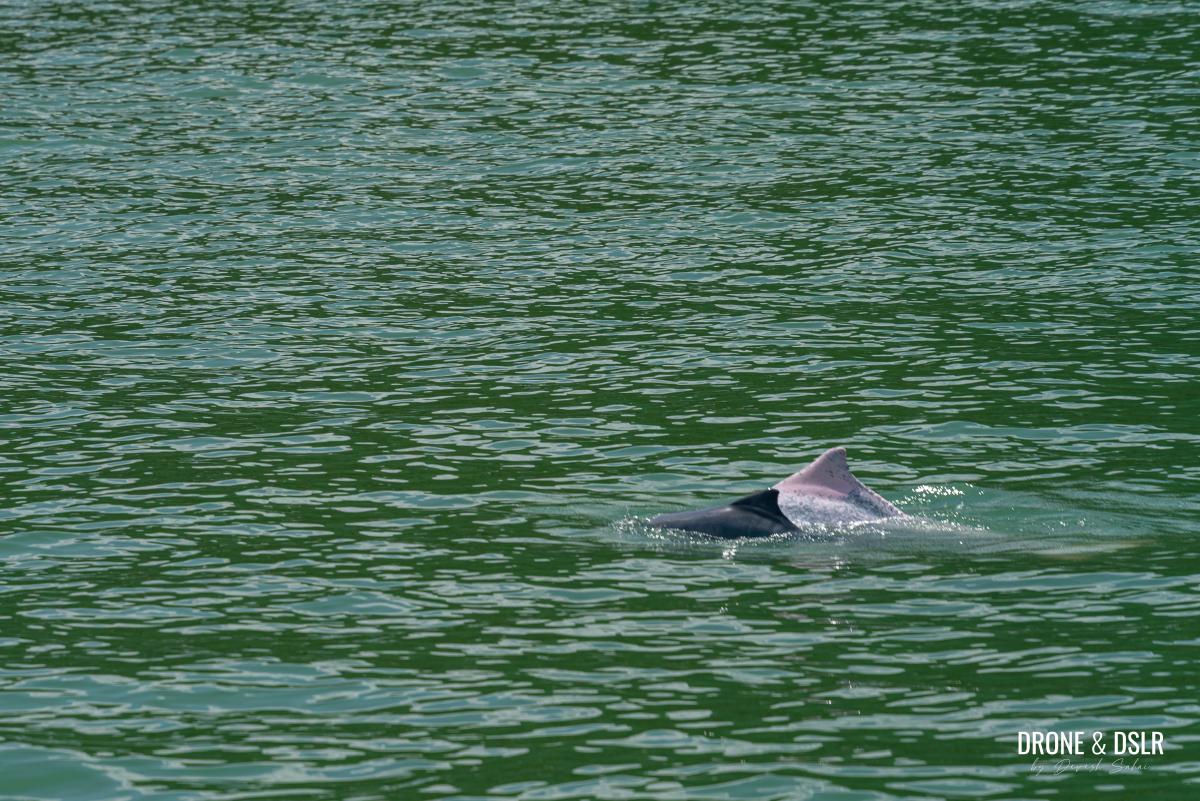
Mother and baby swim together
Adults feast mainly on fish—lion heads, yellow croakers, mullets, and anchovies are favourites. Fun fact: They swallow their prey whole, always headfirst!
Fully grown adults can reach 2.5–3 meters long. Sadly, Hong Kong’s dolphins live half as long as wild populations (which can reach 40 years) because pollution, habitat loss, and heavy marine traffic in Hong Kong’s waters take a toll on their lifespan.
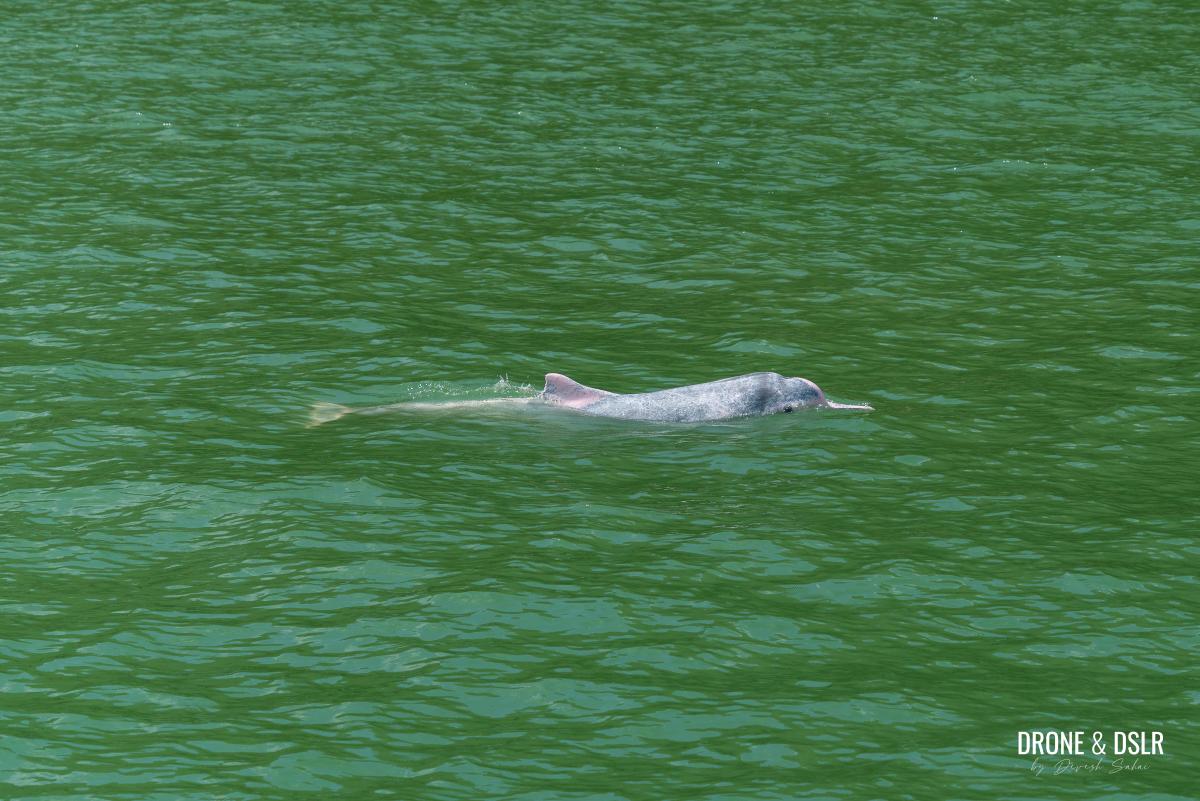
What a beautiful creature!
How to See Pink Dolphins in Hong Kong
If you’ve ever been to Tai O, you might have noticed the signs to go see the pink dolphins on a speed boat. Although you may get lucky on those boats, the best way to truly experience the pink dolphins in Hong Kong is onboard the HK DolphinWatch tour.
Book A Pink Dolphin Sighting TourHK DolphinWatch has been operating ecological tours to see the dolphins in Hong Kong since 1995. Their tours are not only informative but also conducted in an ethical and dolphin-friendly manner.
Their goal is to raise awareness of the plight of the pink dolphins, give them an economic value by helping them contribute to the tourist economy, and to generate revenue for research and campaigns.
Our HK DolphinWatch Tour Review
We’ve been on the HK DolphinWatch twice, and on have had different but incredible experiences both times.
Generally speaking, their tours run every Wednesday, Friday, and Sunday. During the summer months, it is advisable to book in advance as tours get quite busy. Booking can be made via their website (only bank transfers) or via Klook, which might be more convenient as it accepts all payment modes.
Book A Pink Dolphin Sighting TourThis tour wasn’t just about dolphin-spotting. It was also highly informative and a great way to learn about these fascinating animals and the conservation efforts to protect them. The guides are incredibly passionate and knowledgeable, making the whole experience both engaging and memorable.
Logistics
HK DolphinWatch tours typically run for 4–5 hours, including pickup from Tsim Sha Tsui. The tour bus collects passengers from Middle Road (outside The Kowloon Hotel, L3 or L4 exit from the MTR) and takes them to Tung Chung Development Pier. Alternatively, you can meet the group directly at the pier.
Once aboard the ferry, the dolphin-spotting cruise lasts 3–4 hours, depending on sightings.
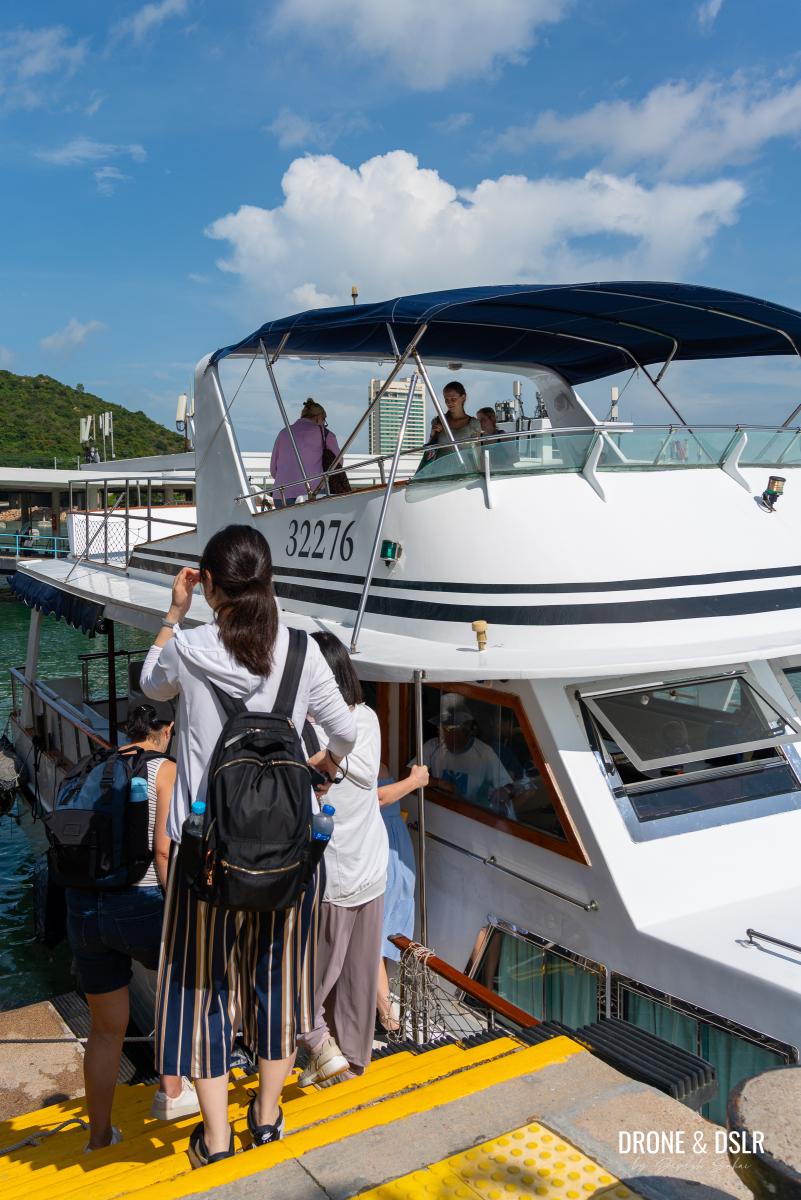
Boarding our Hong Kong DolphinWatch Tour boat
Pro tip: Bring snacks, water, strong sun protection (especially on clear days), and—of course—your camera!
Pink Dolphins – The Main Highlight
It goes without saying that each tour group has a different experience. After all, you’re spotting dolphins in the wild, and that can be very unpredictable.
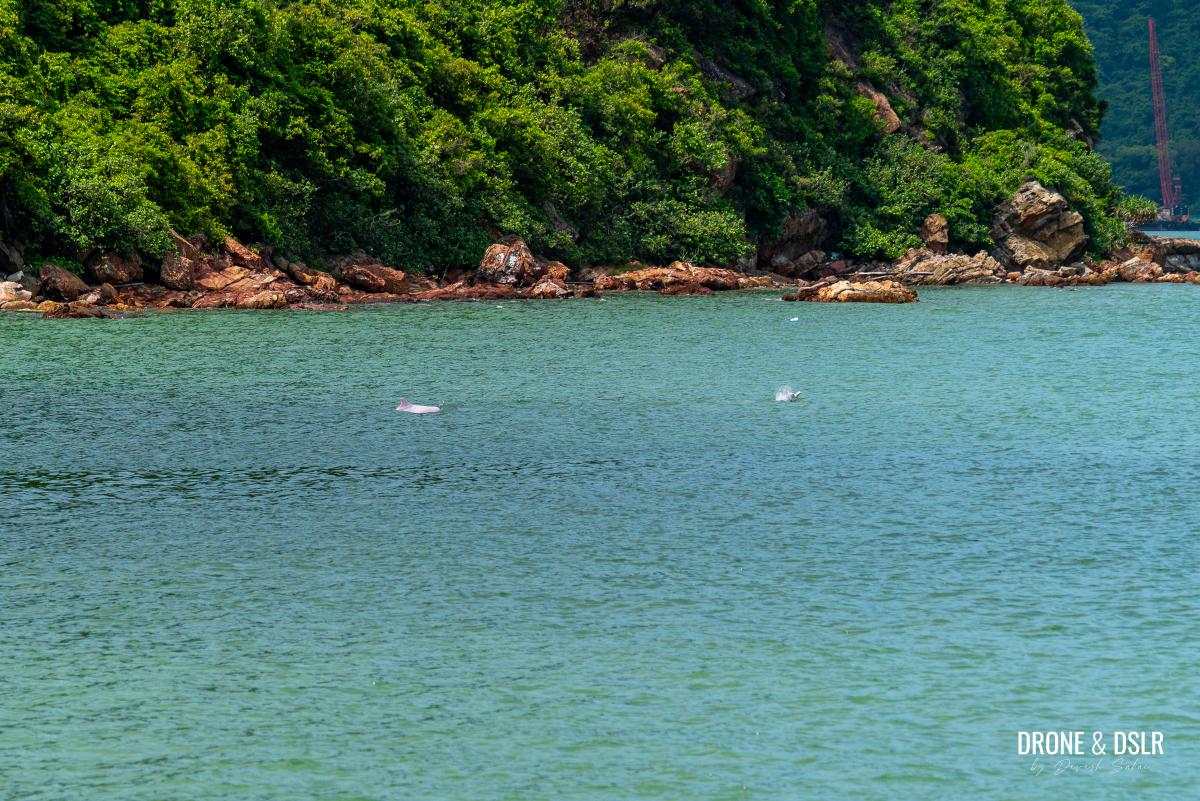
Our first sighting of the day!
Having said that, according to HK DolphinWatch there is a 97% sightseeing record all year round! And if you’re extremely unlucky and fall into that 3%, they will let you join another tour.
Book A Pink Dolphin Sighting TourWe’ve been extremely fortunate to have witnessed multiple dolphins (10-12 individual dolphins) on both occasions!
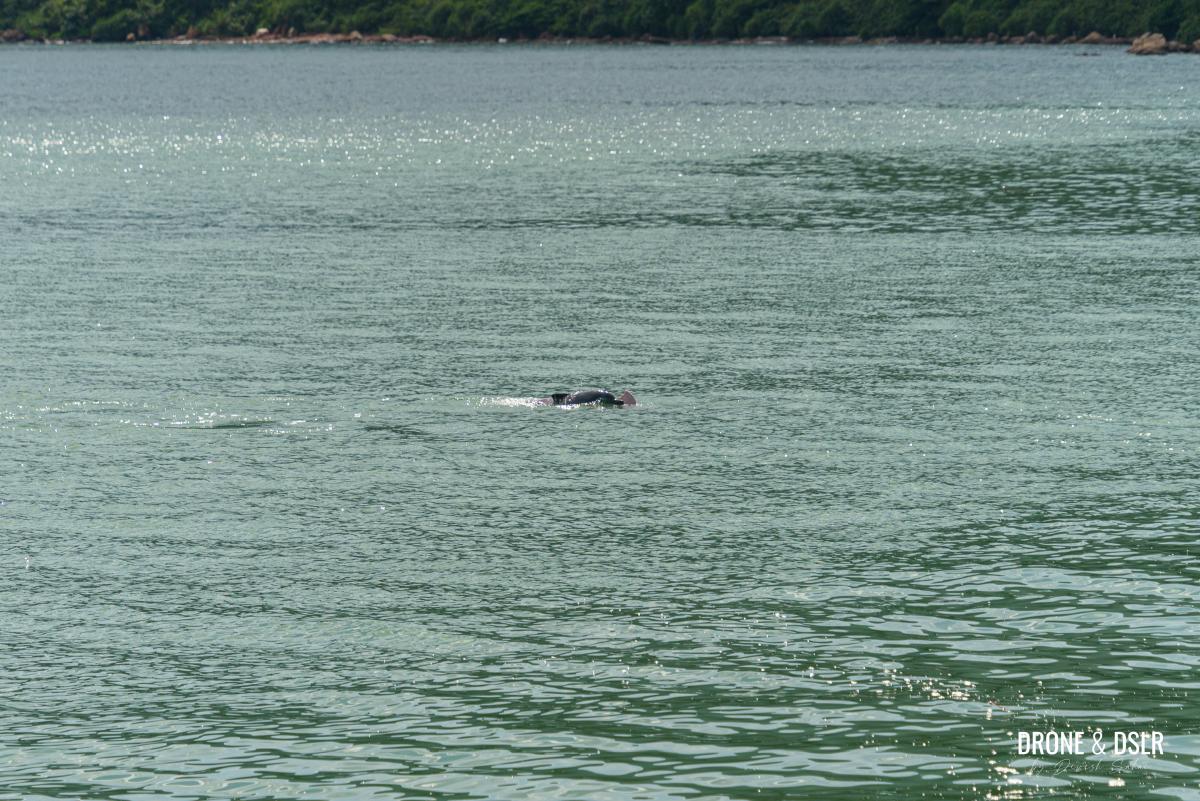
Wait is that a baby dolphin?
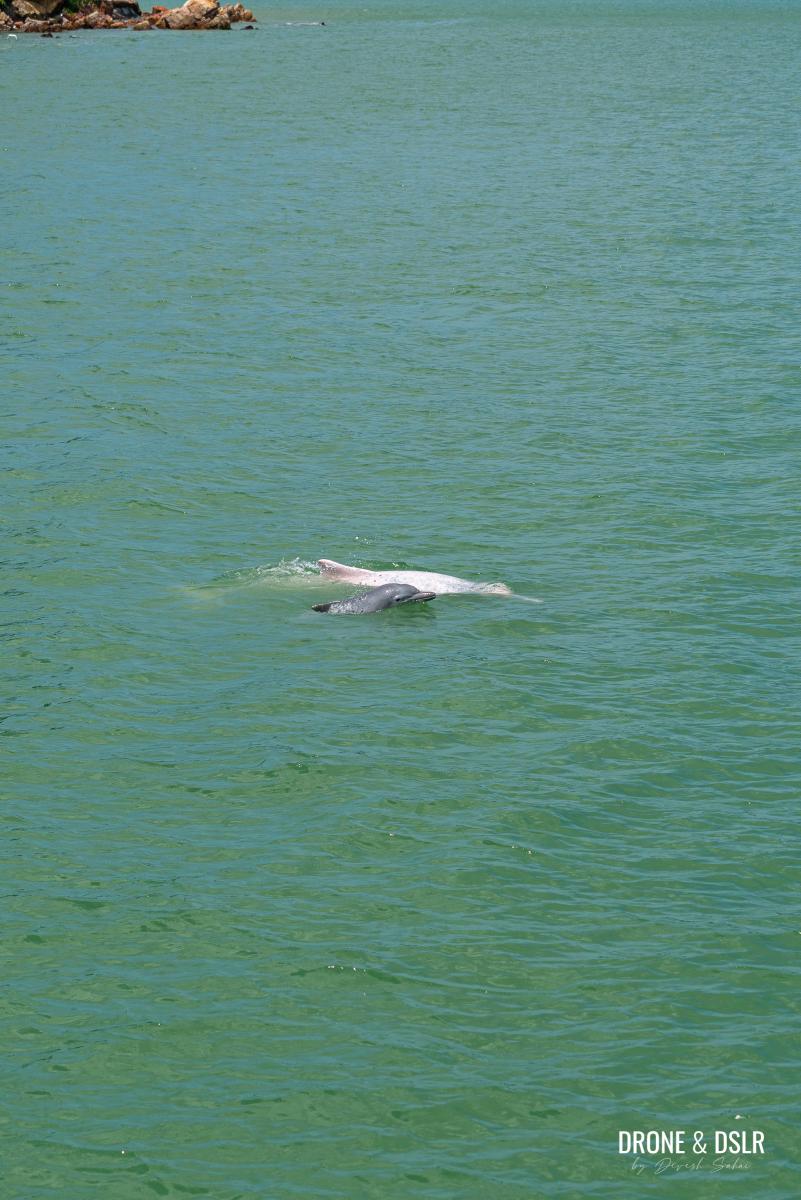
On our second tour, we were unbelievably lucky when we spotted a baby dolphin, swimming with its mother! It was one of the most unforgettable experiences watching it learn how to navigate the world under its mother’s supervision.
-

- The highlight of our pink dolphin tour was spotting this dolphin calf!
-
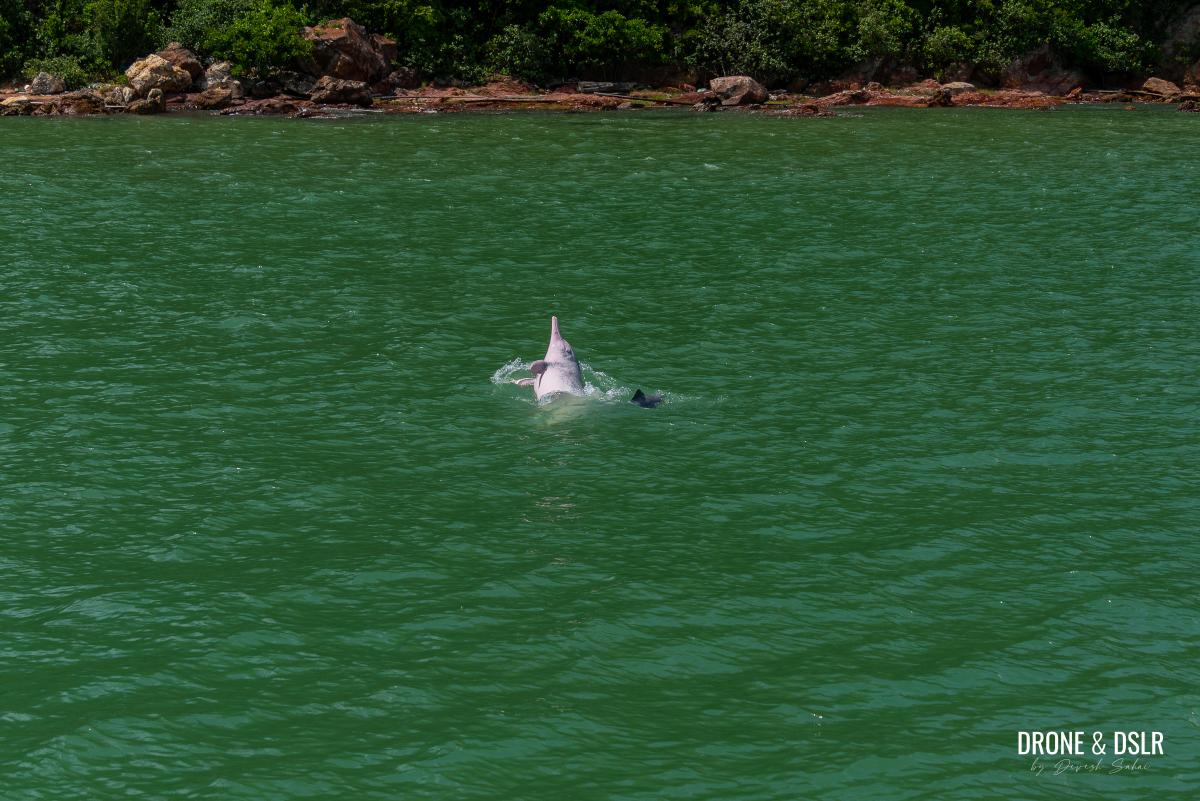
- Mommy teaches the baby how to jump
-
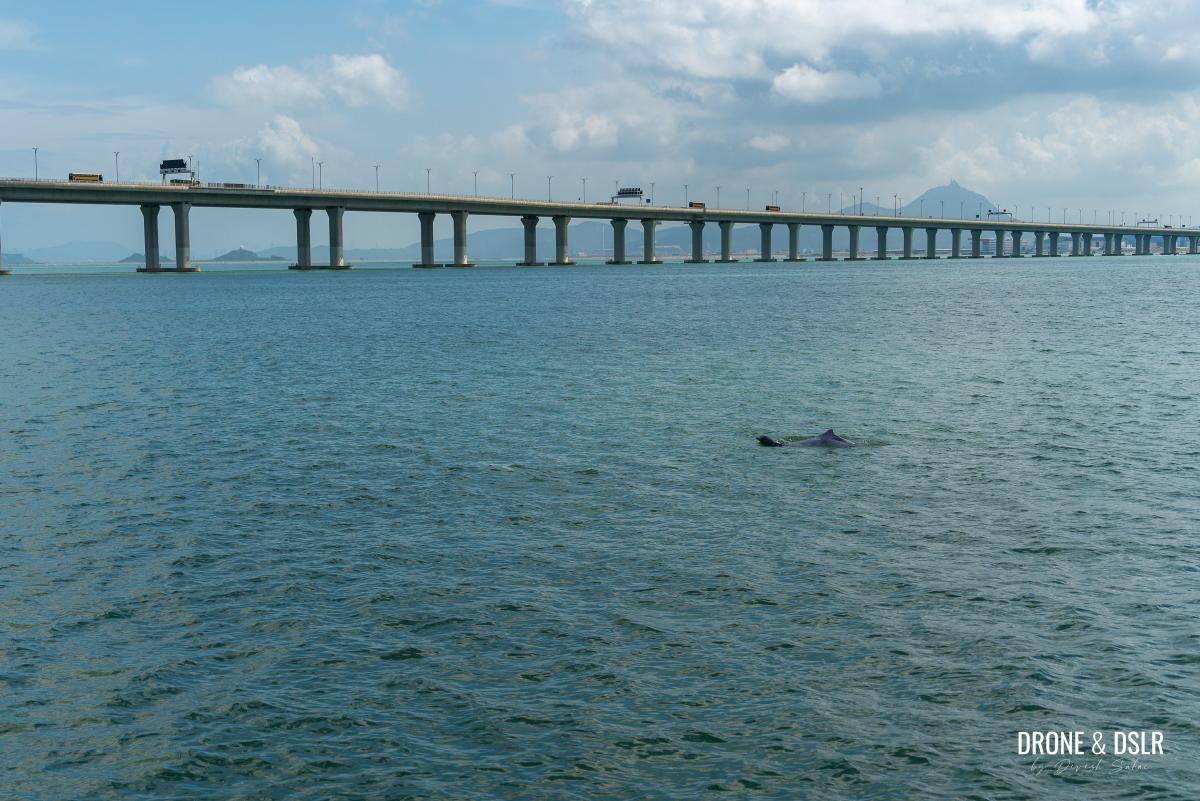
- Baby dolphin swims with its relatives
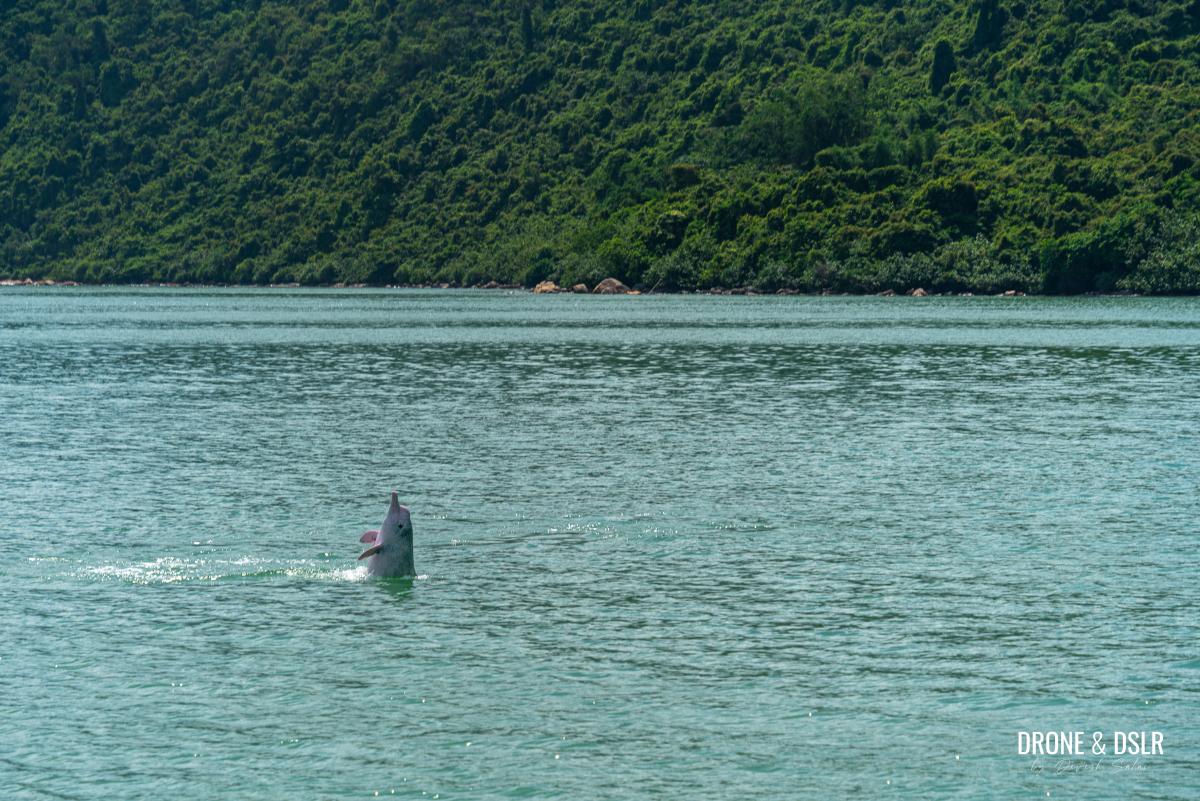
We also saw numerous dolphins jumping and even “spyhopping“. What is spyhopping you ask?
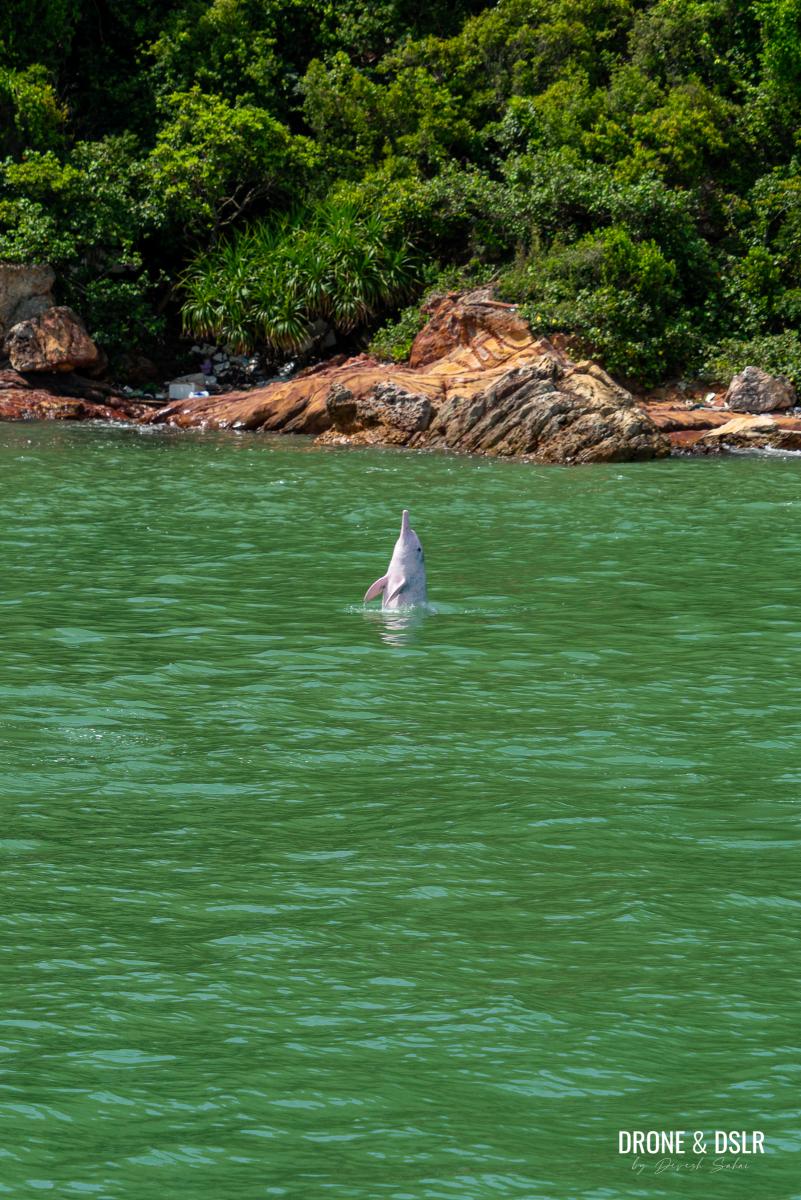
Spyhopping is when dolphins hold their heads out of the water to examine the what’s happening above the water
Dolphins (and whales) are extremely curious creatures, and have been known to hold their heads out of the water in order to visually inspect the environment above the water.
-
- Nothing like a good spyhopping session
-
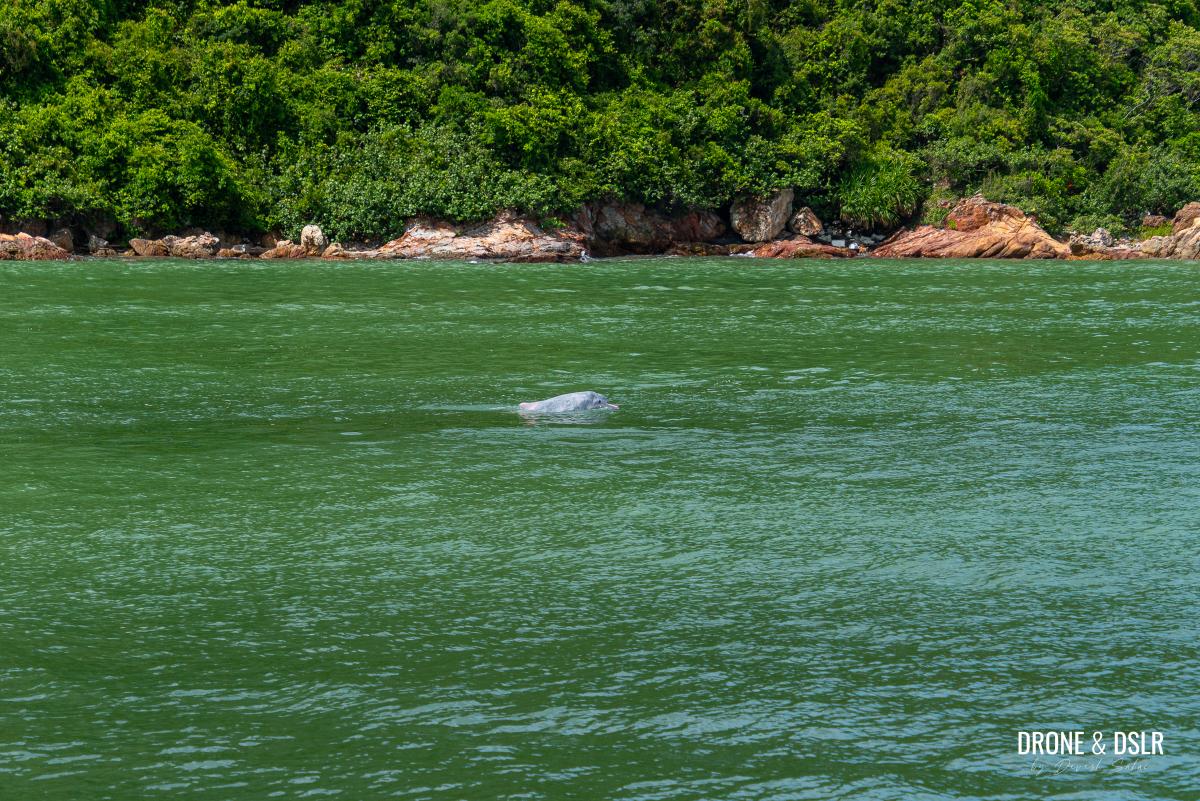
- This dolphin wasn’t spyhopping but it was clearly looking at us
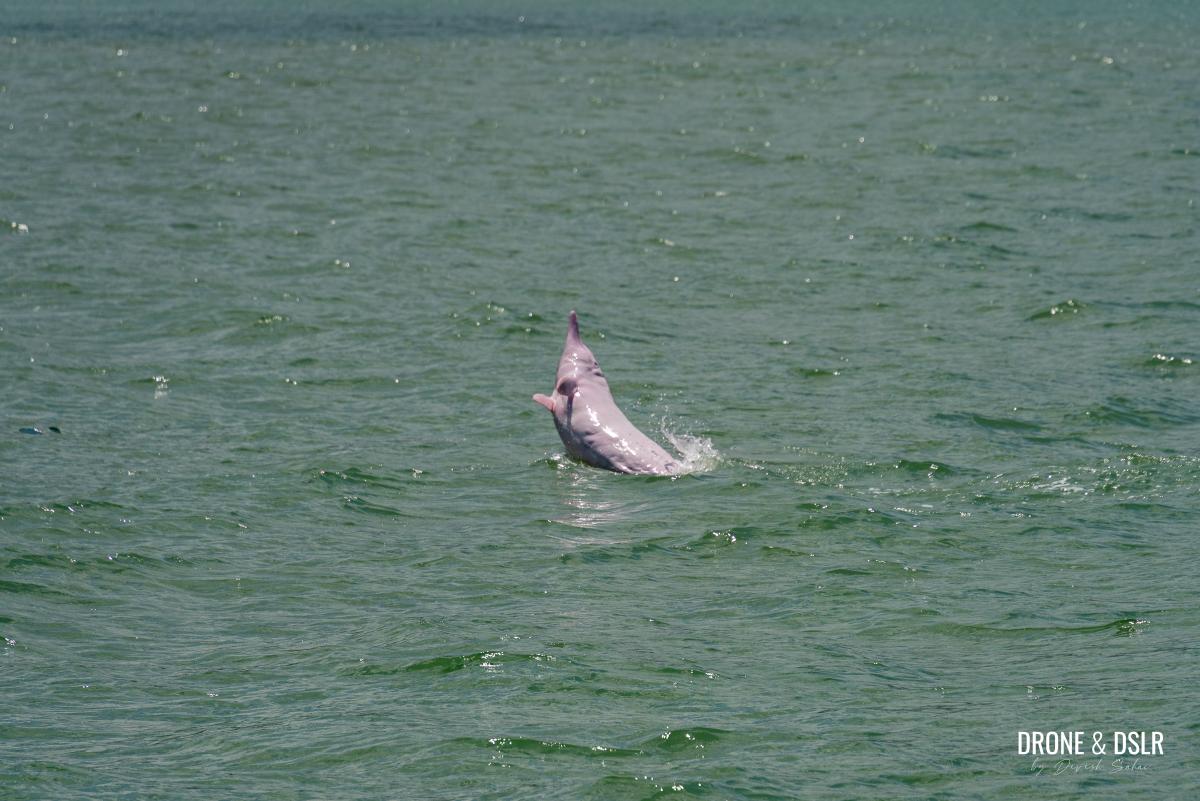
We also witness so many dolphins jumping and making a splash, on both occasions.
-
- Caught it before it made a big splash
-
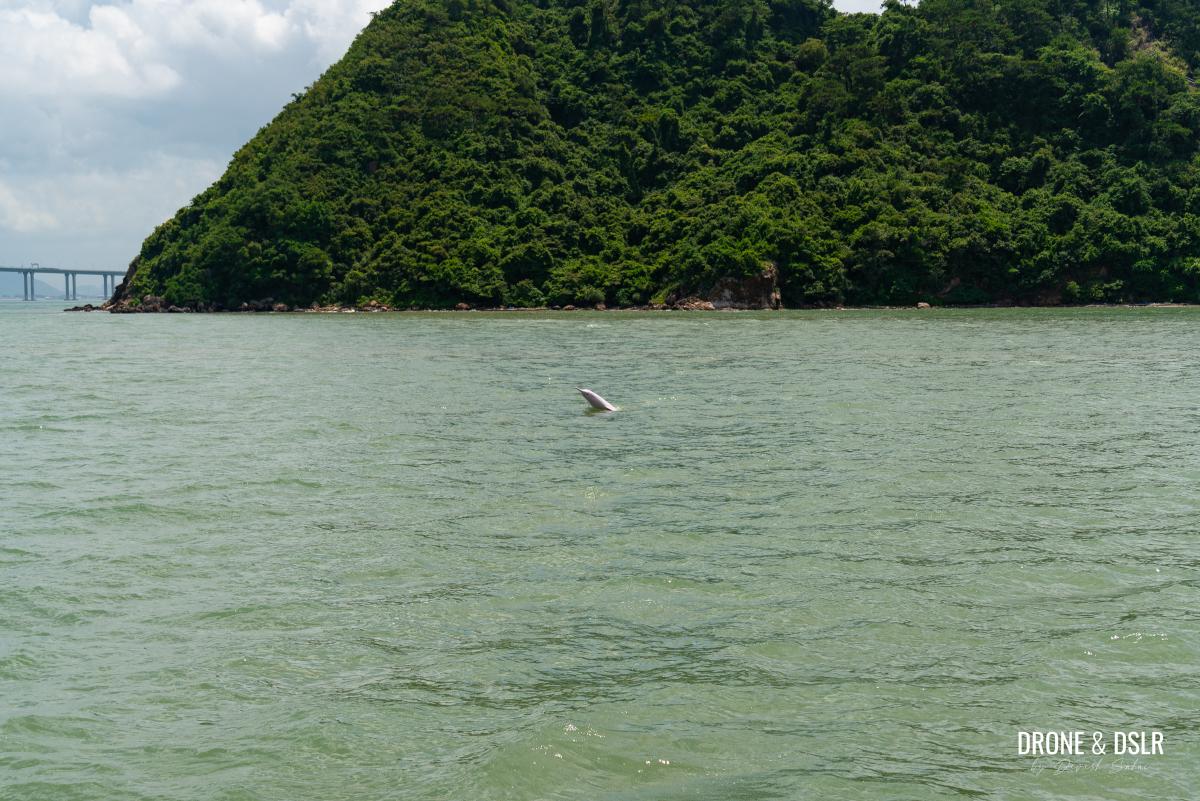
- Another pink dolphin breaches
-
- The dolphins make a big splash on their way down
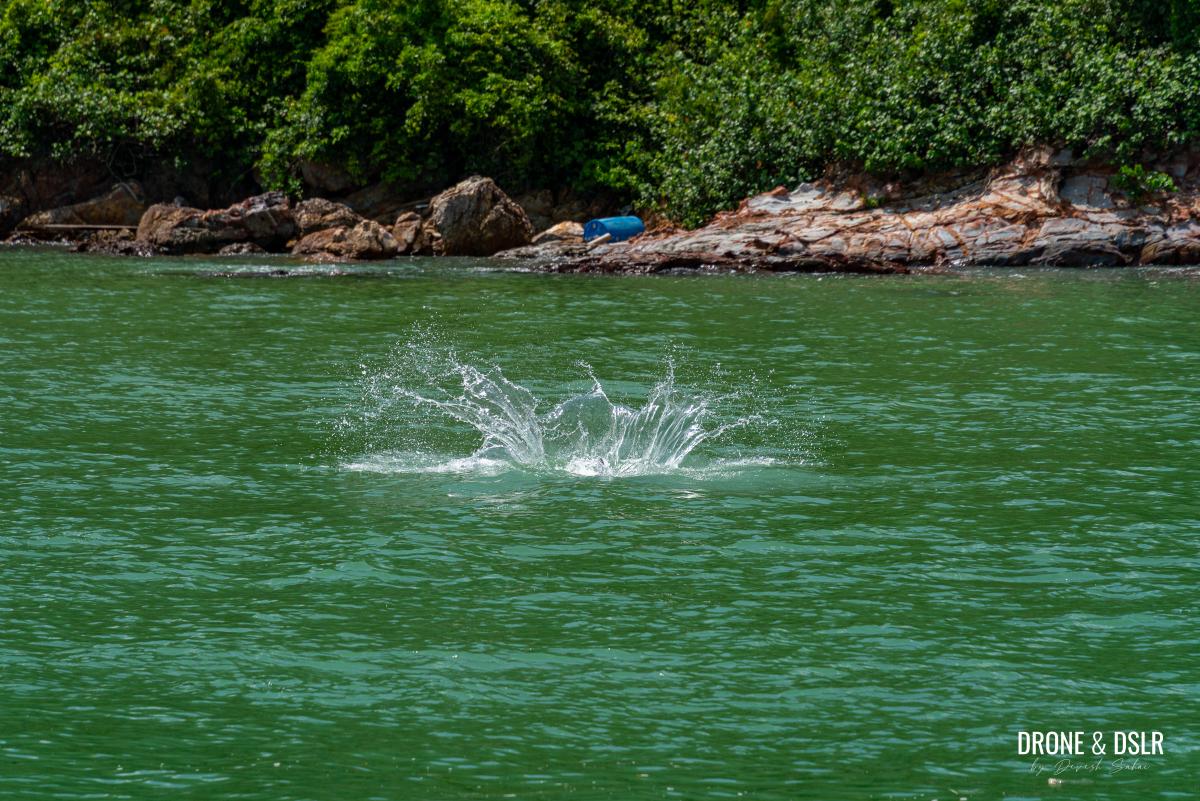
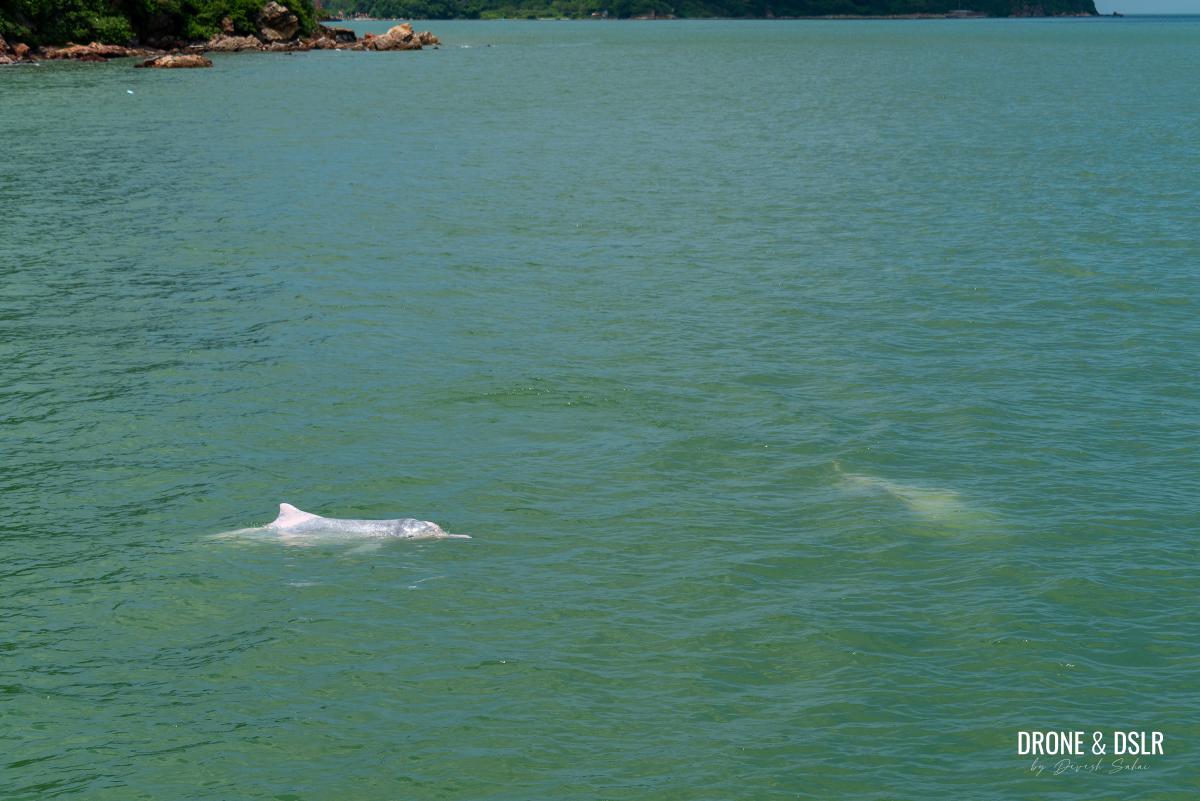
It is really difficult to take pictures of these pink dolphins. The dolphins come up to the surface for air every two to eight minutes for 20 to 30 seconds. They’re also big, which means they don’t jump as high, but make a huge splash on their way down! So, there’s a very short window to photograph these lovely creatures.
-
- You can anticipate when the dolphins will breach as they come closer to the surface
-
- A pink dolphin swimming next to some fishermen
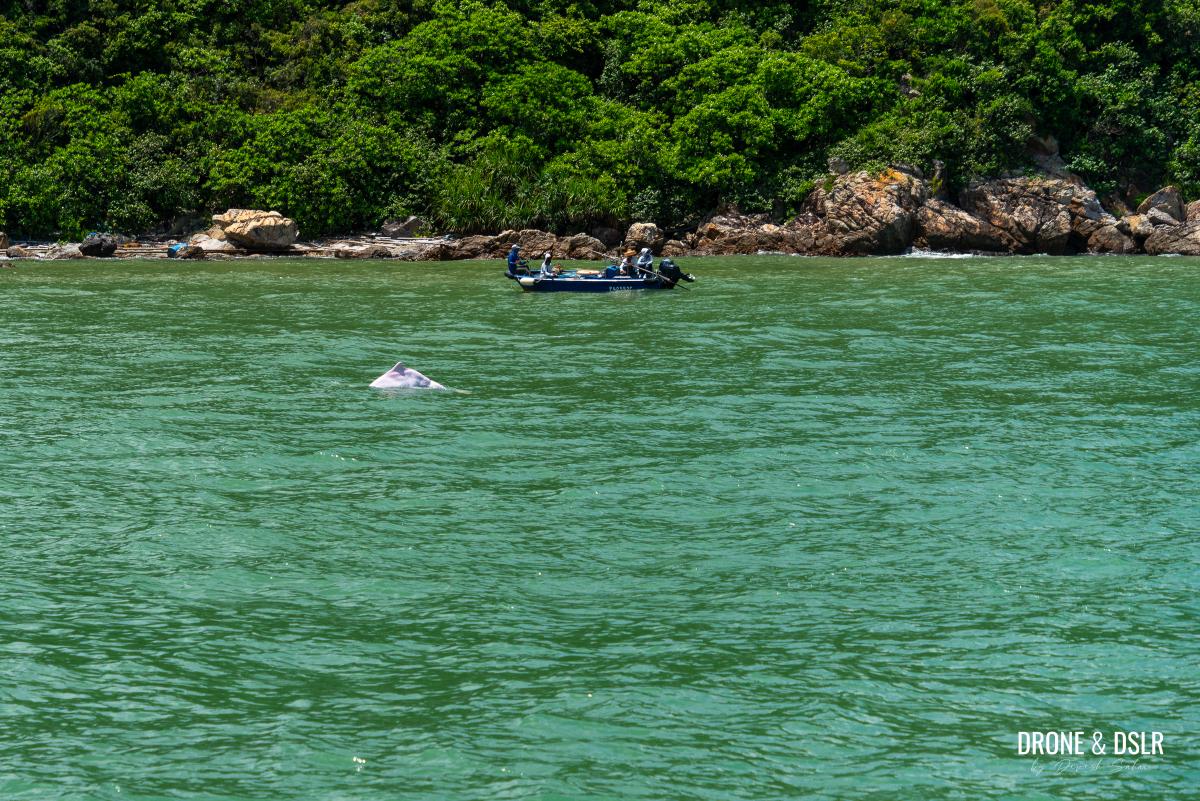
They trick to getting good photos (I learned) is to anticipate them when you see one swimming close to the surface.
-
- There are two adults and one baby in this pic
-
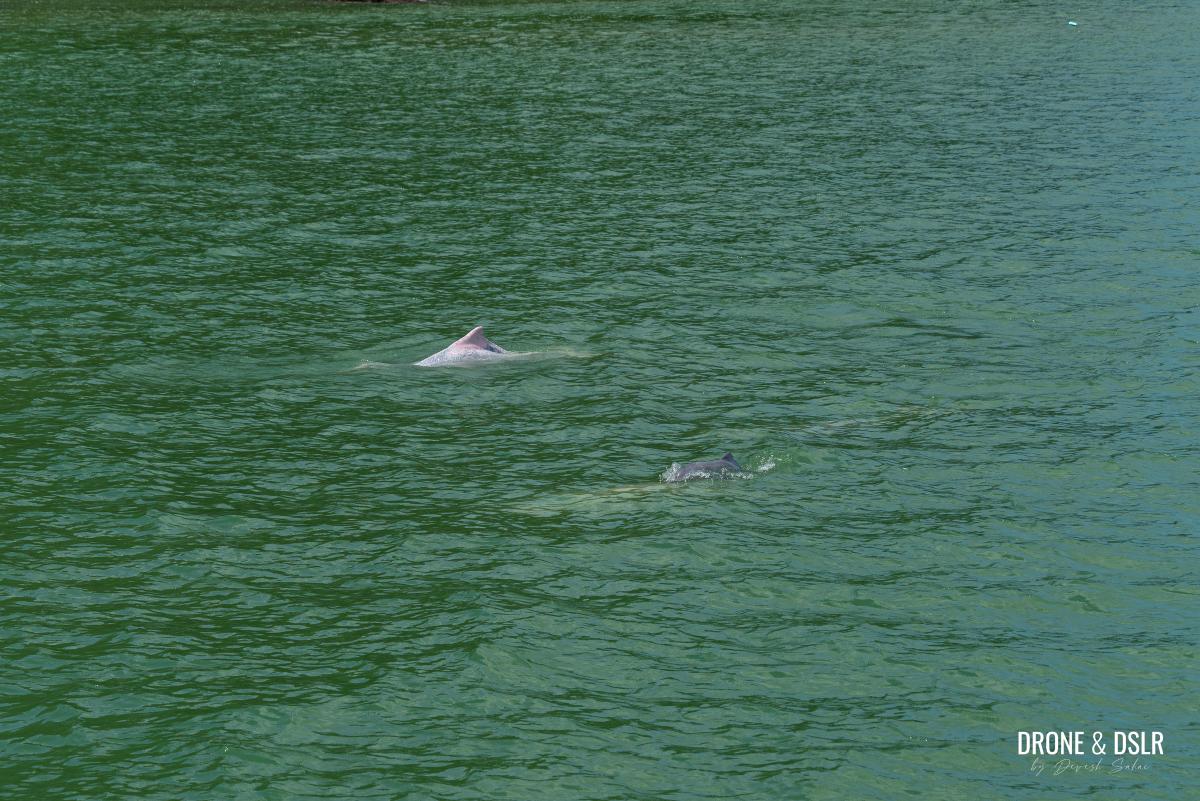
- Got one jumping!
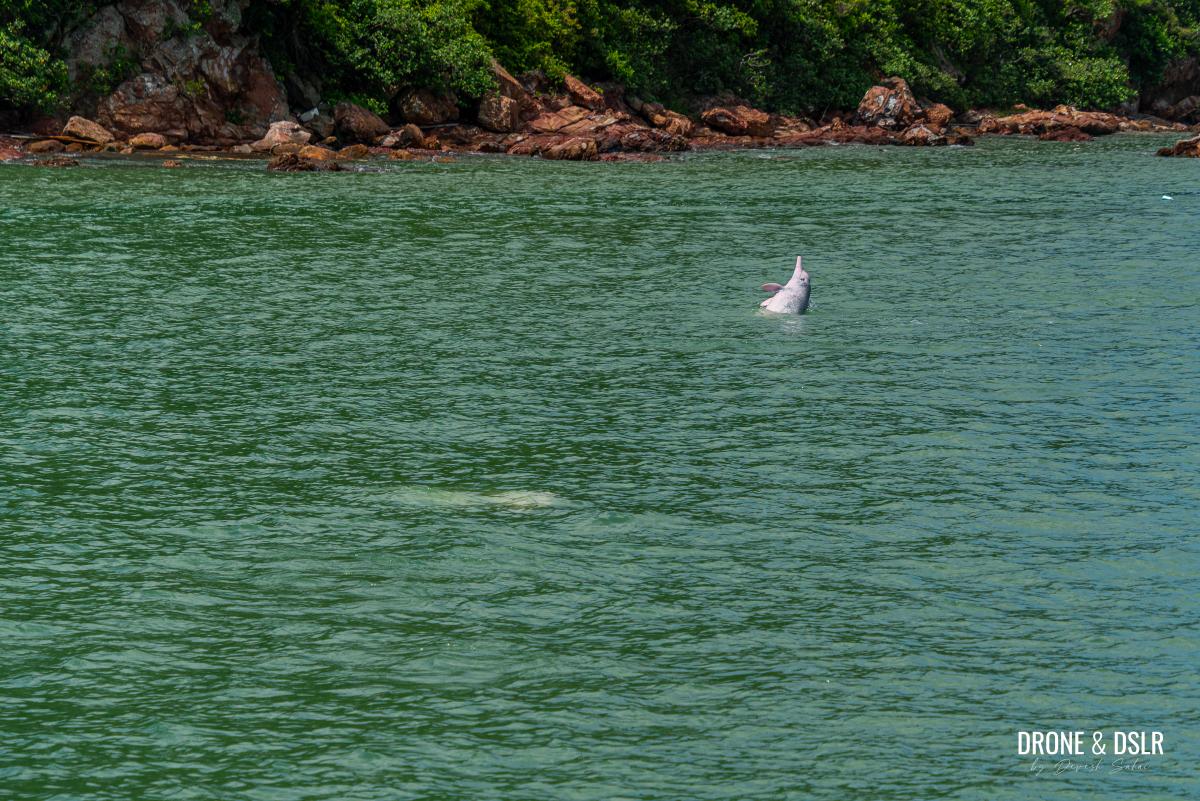
-
- The pink dolphins only breach for a few seconds to breathe
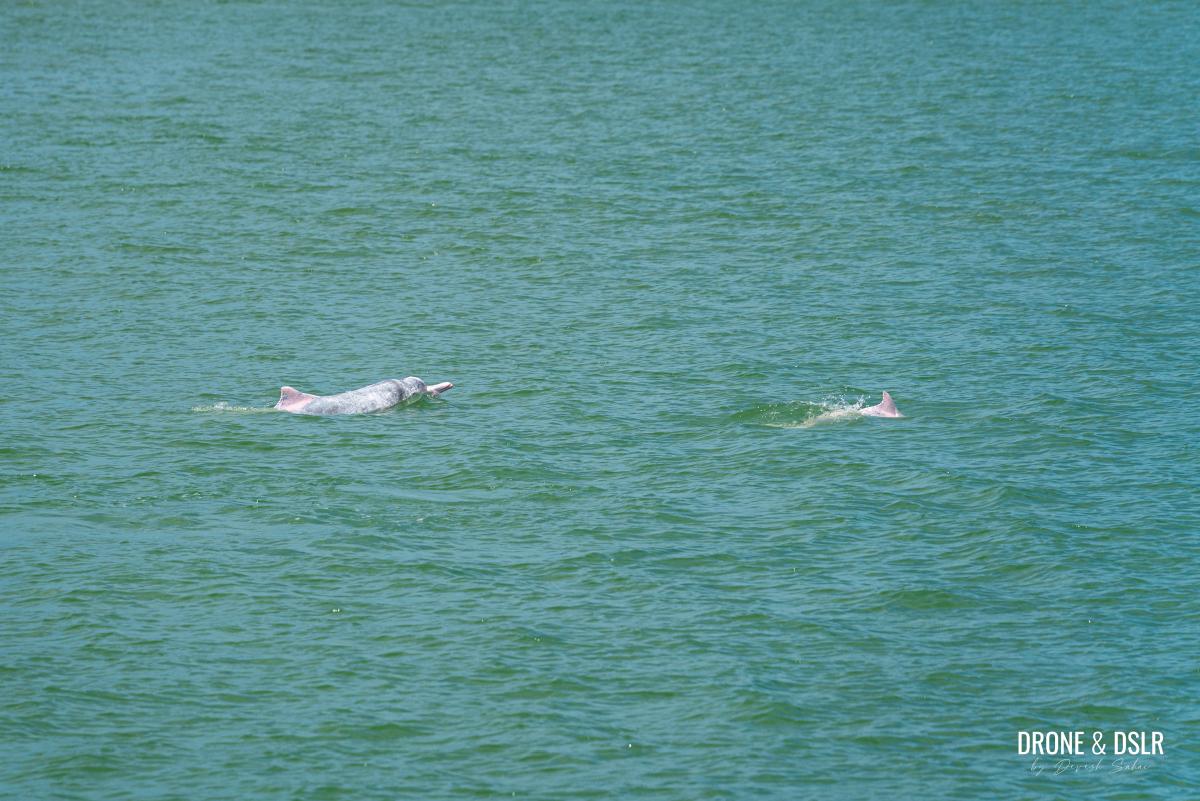
Like I said, this is one of the most incredible experiences in Hong Kong!
Other Highlights
As a photographer, I love taking as many photos of the dolphins. It’s such a treat!
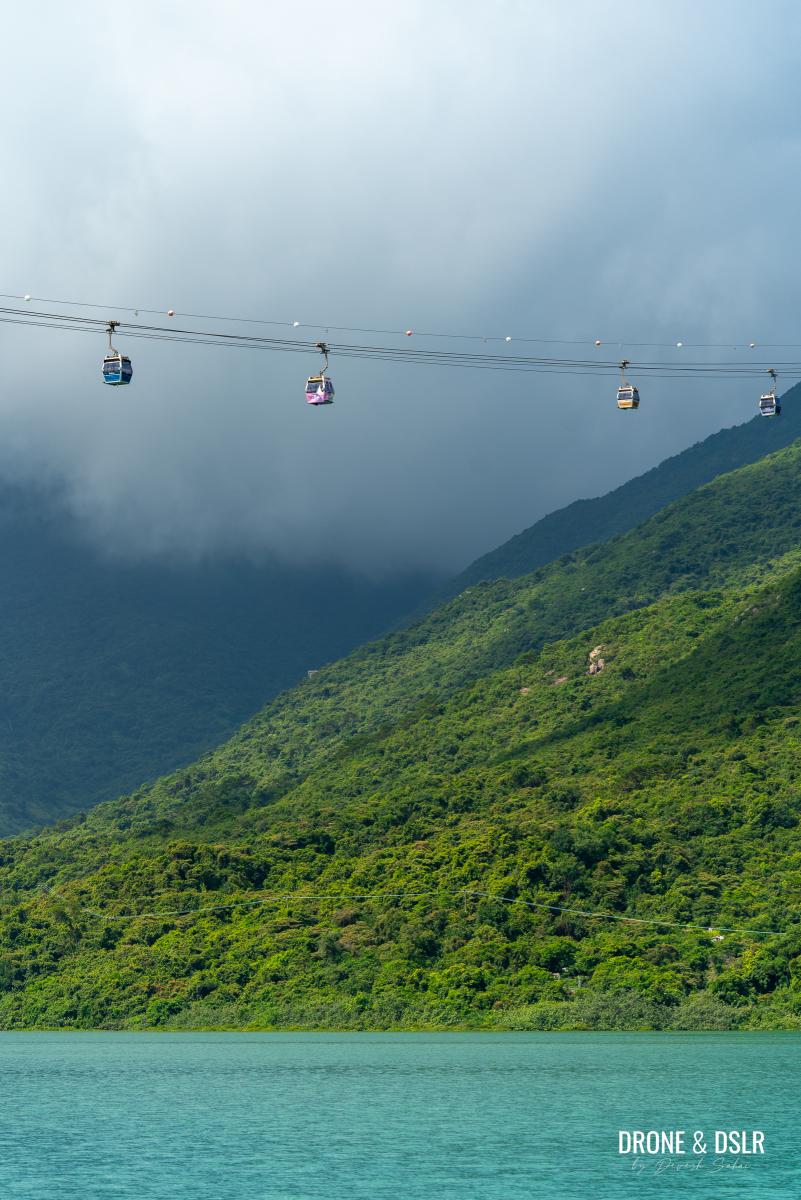
But the tour also takes you on very interesting route, that in my opinion is very photogenic. From the channel the Hong Kong International Airport runway, under the Ngong Ping Cable Cars, and along the gorgeous coastline of Lantau Island, the views are quite spectacular.
-
- A unique view of the Ngong Ping Cable Cars
-
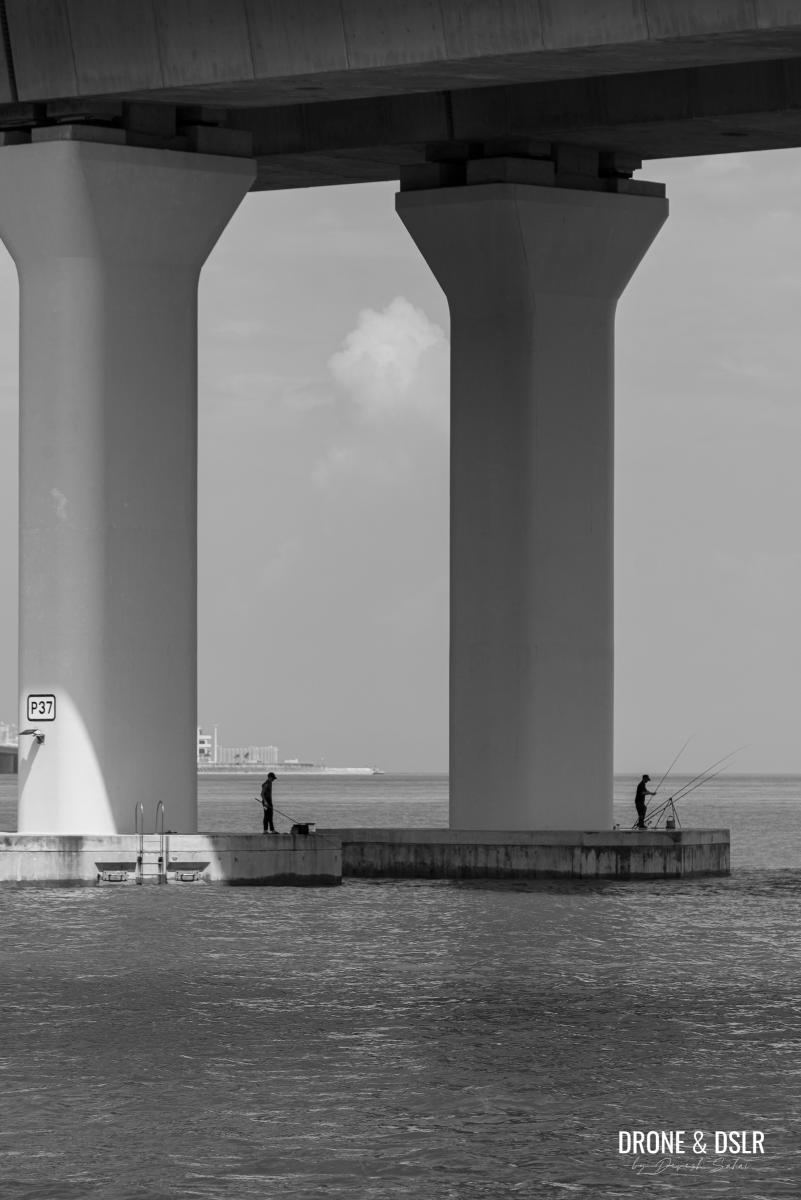
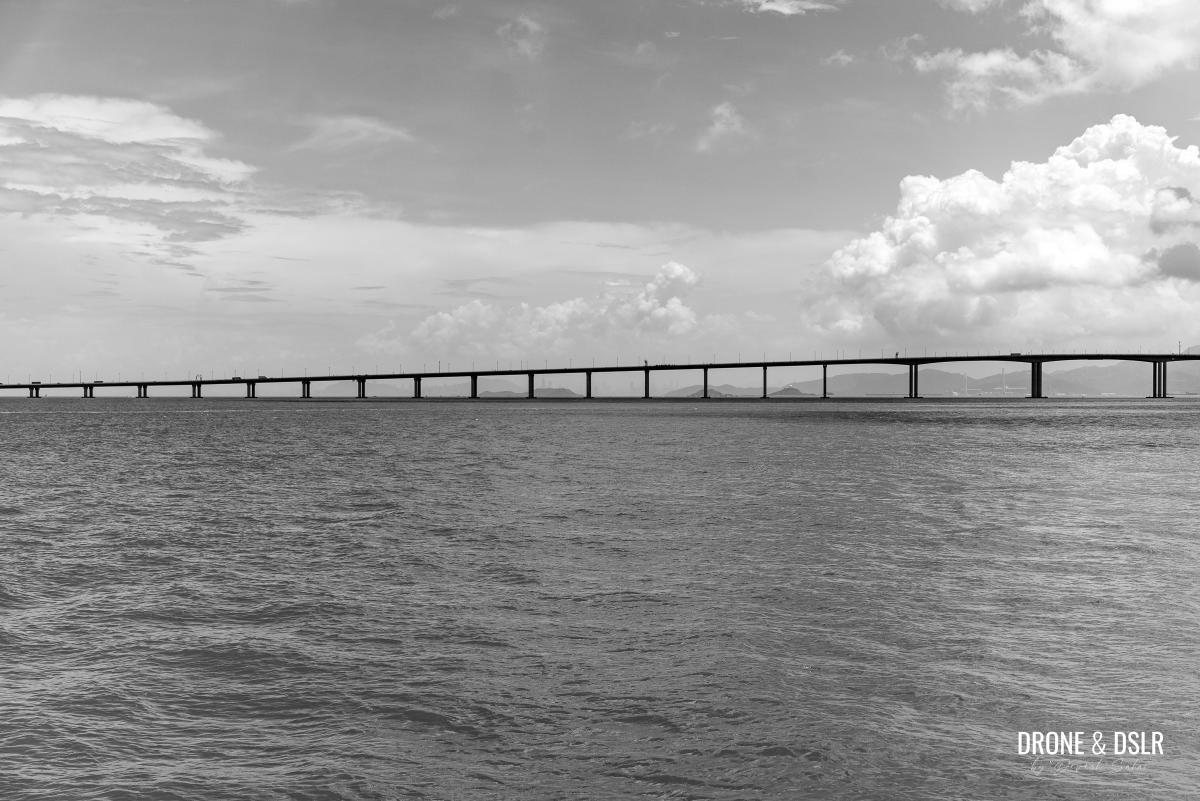
- Fishermen under the HK-Macau-Zhuhai Bridge
-
- The pink dolphin boat tour offers a unique vantage point for seeing the HK-Macau-Zhuhai Bridge
-
- It’s not everyday you get to admire Lantau Island from this point
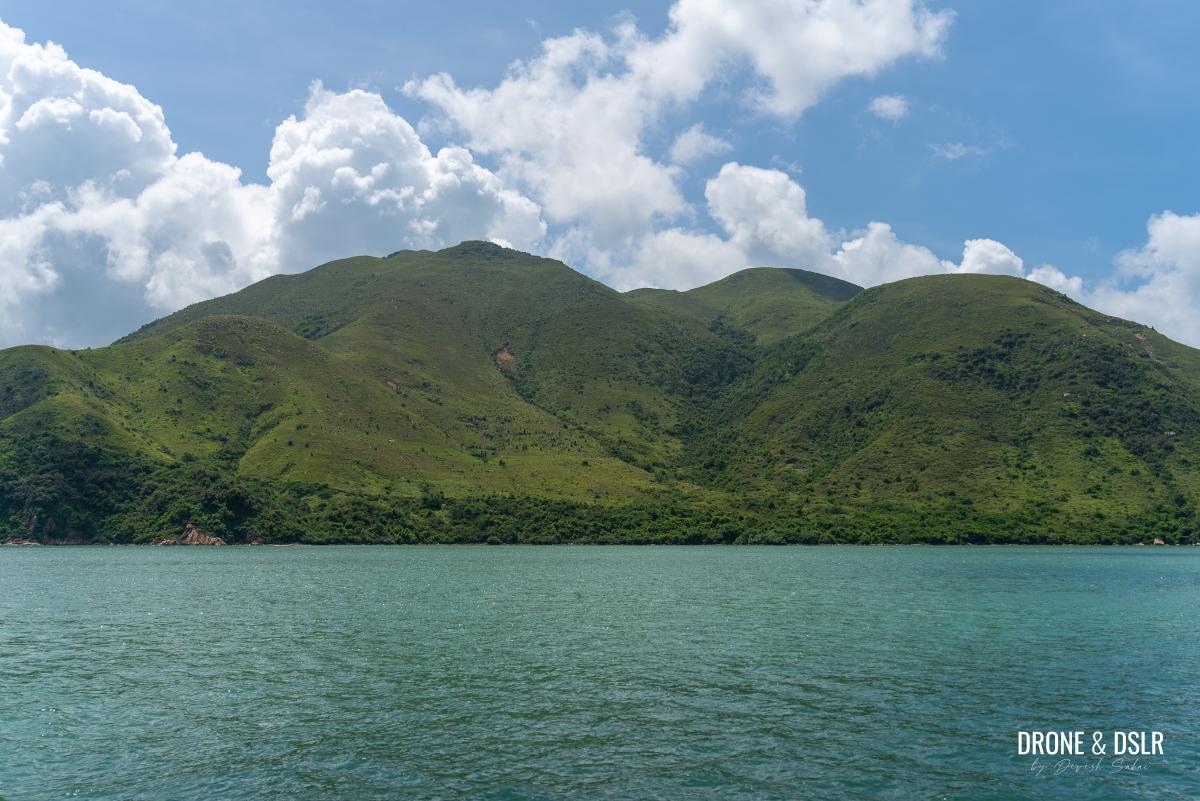
It’s not a bad way to appreciate the beauty of Lantau Island.
Here’s a video reel of our highlights:
Subscribe to my YouTube channelThreats to Dolphins in Hong Kong
Although these friendly pink dolphins have been recorded in Hong Kong waters near the Pearl River Estuary since 1600s, their habitat today faces a number of threats.
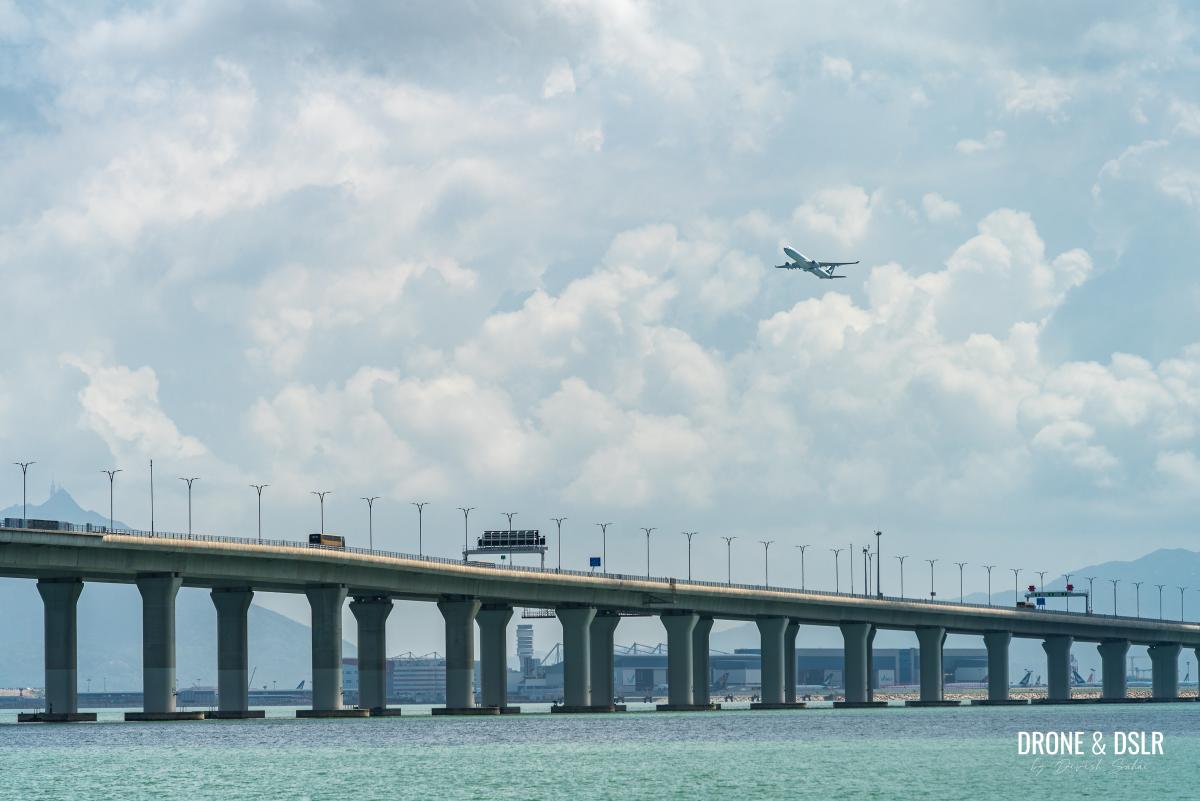
All this development is happening in the dolphins’ habitat
Habitat Destruction
Rapid coastal development in the Pearl River Delta, including land reclamation for airports, ports, and infrastructure, has decimated dolphin habitats. Dredging and blasting damage seabed ecosystems, while projects like Hong Kong’s third runway further shrink their living space. These activities not only displace dolphins but also disrupt the marine environment they depend on for survival.
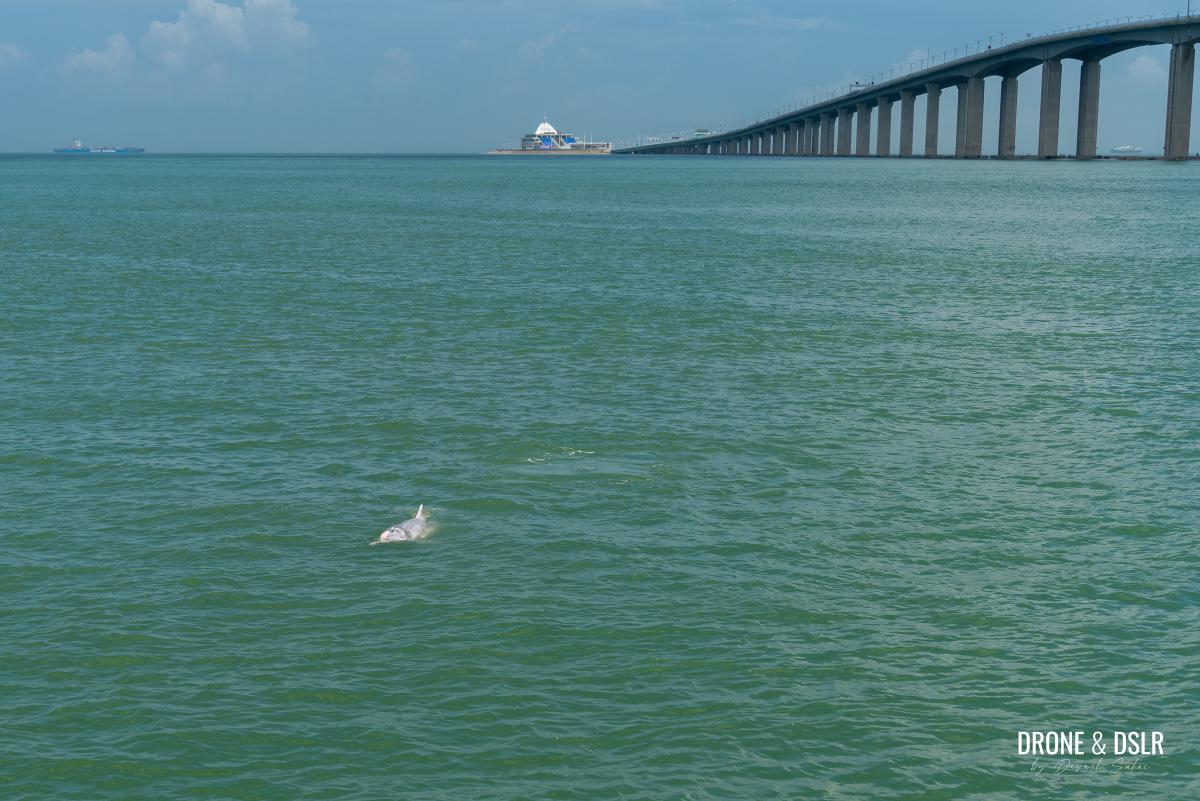
A pink dolphin swims away from the mega bridge
Overfishing
Coastal destruction has wiped out fish breeding grounds, while overfishing depletes the dolphins’ food supply. Hong Kong’s reefs have critically low fish biomass, with trawlers catching undersized juveniles. Artificial reefs and seasonal fishing bans in mainland waters offer little relief, as Hong Kong lacks similar protections.
Heavy Sea Traffic
Dolphins navigate shrinking habitats amid dense ferry and cargo traffic. Collisions are deadly, but constant noise pollution is equally harmful—disrupting echolocation and causing stress-induced illnesses like ulcers.
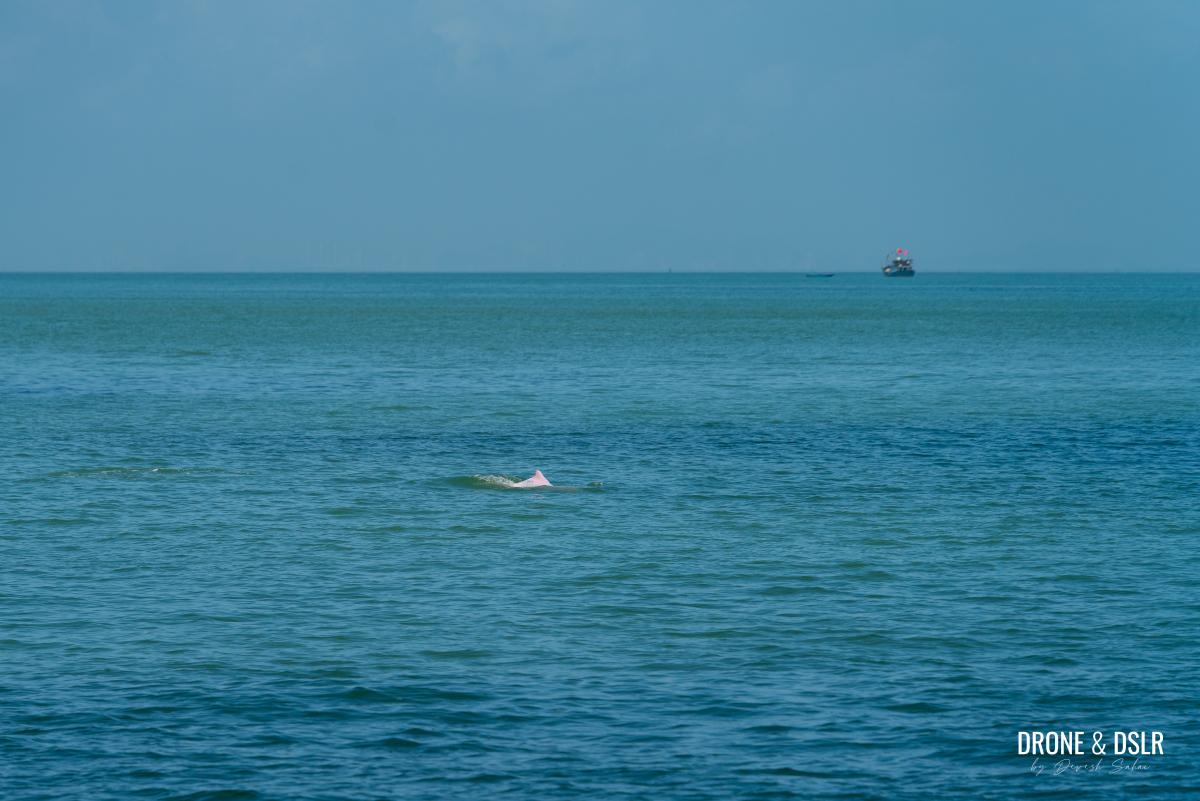
Spotting dolphins in Hong Kong waters
Toxic Pollution
Many stranded dolphins show no clear cause of death, but pollution is a suspected killer. Newborns are especially at risk, half of annual deaths are calves with milk-filled stomachs. Toxins accumulate in dolphin fat, transferring a decade’s worth of pollutants to firstborns via milk.
Sewage Contamination
Hong Kong dumps nearly 2 million metric tonnes of sewage daily, with 400 million litres reaching dolphin habitats near Lantau Island. Though treatment improvements began in 2008, dolphins remain exposed to bacteria and contaminants that threaten their health and survival.
FAQs
And here are answers to a few commonly asked questions about the pink dolphin tours in Hong Kong.
Book A Pink Dolphin Sighting TourHow many pink dolphins are left in Hong Kong?
The truth is, no one has a definitive answer. When we first went for the pink dolphin tour, we were told about 60-70. On our second tour (nine years later), we were told 30-40.
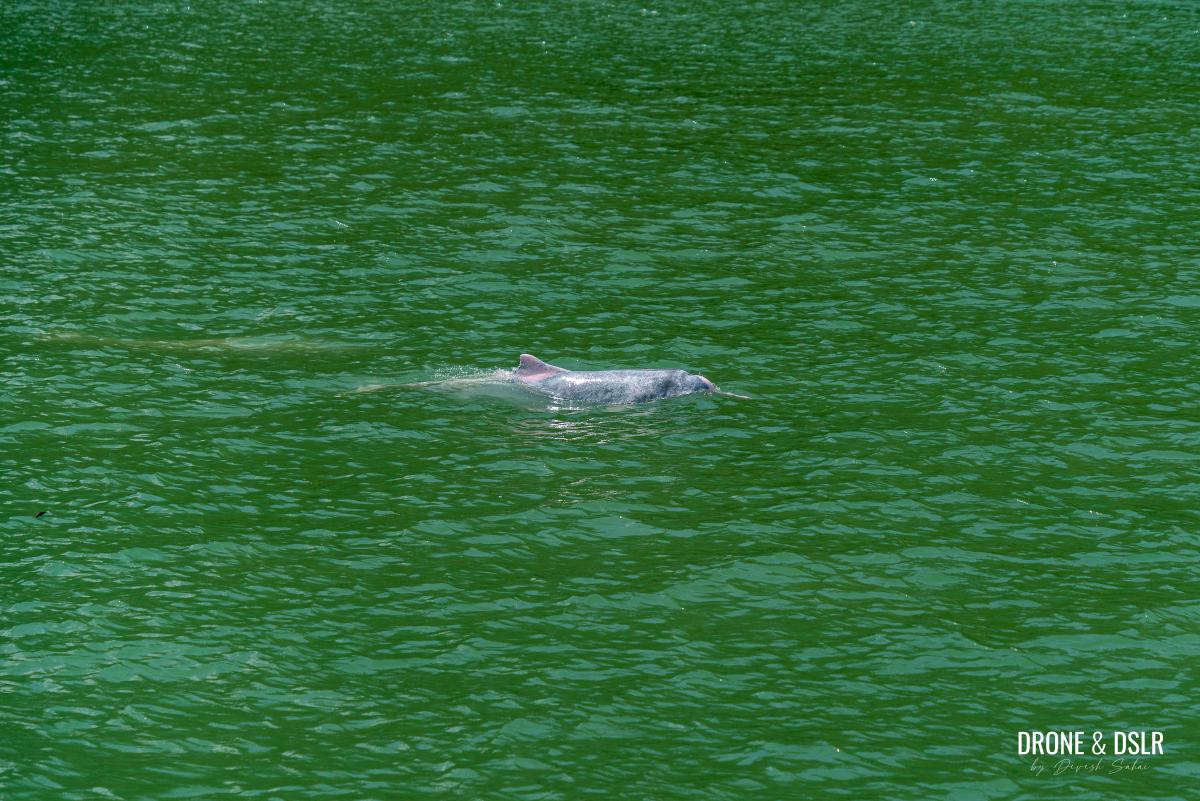
Some dolphins swam close to our boat
Although that decline speaks to a bigger problem, the truth is that the dolphins may have relocated thanks to the threats, making it difficult to get a proper count. Also, this number only reflects the pink dolphins spotted in Hong Kong waters.
Best time to see pink dolphins in Hong Kong?
The Chinese white dolphins are native to Hong Kong and can be sighted all year round. In terms of sightings, there isn’t any “best season”, as dolphins have been spotted in all seasons and all weather.
Should you take a dolphin speedboat in Tai O?
Most people, including us, learned about the pink dolphins near Lantau Island when we first saw the signs for them in Tai O, next to speedboats.
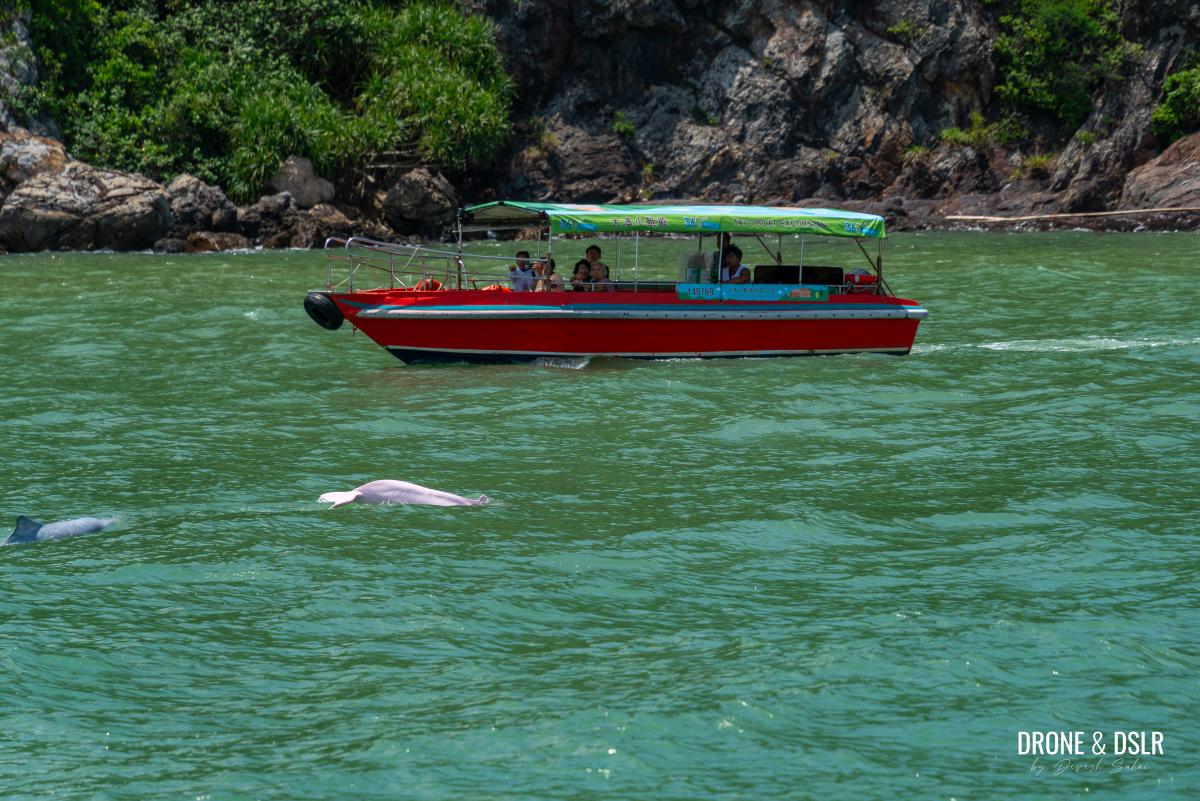
The Tai O speedboats get close to the pink dolphins
While these budget-friendly rides don’t promise sightings (trips last around 15–20 minutes and stay near shore), they remain popular. Unlike HK DolphinWatch’s eco-tours, we noticed these boats sometimes approach dolphins too closely – as we witnessed firsthand on our last trip.
Pink Dolphins in Hong Kong
This pink dolphin sighting tour offers one of the most unforgettable ways to encounter Hong Kong’s marine residents. Through this experience, you’ll not only gain a deeper appreciation for these intelligent animals, but also the conservation challenges they face.
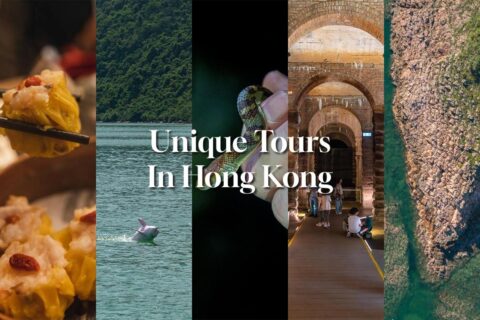
I know many people have a hard time imagining Hong Kong as anything but a concrete jungle, but there is a side of Hong Kong that many never get a chance to witness. And if you really want to broaden your perception of the city, I highly recommend exploring these other unique tours in Hong Kong.
Book A Pink Dolphin Sighting TourIf you’re ever in Tai O, walk up to the pink dolphin spotting area at the Fu Shan Viewing Point. And did you know, there is a pink dolphin statue at Ma Wan that symbolizes a legendary friendship between a dolphin and a fisherman?

“Phinnie, The Magic Dolphin”
I hope this post has opened your eyes to their fascinating world. Whether you’re a Hong Kong resident or just visiting the city, I can’t recommend this experience enough. Seeing these pink dolphins frolic in their natural habitat isn’t just another activity, it’s a magical, and eye-opening encounter.
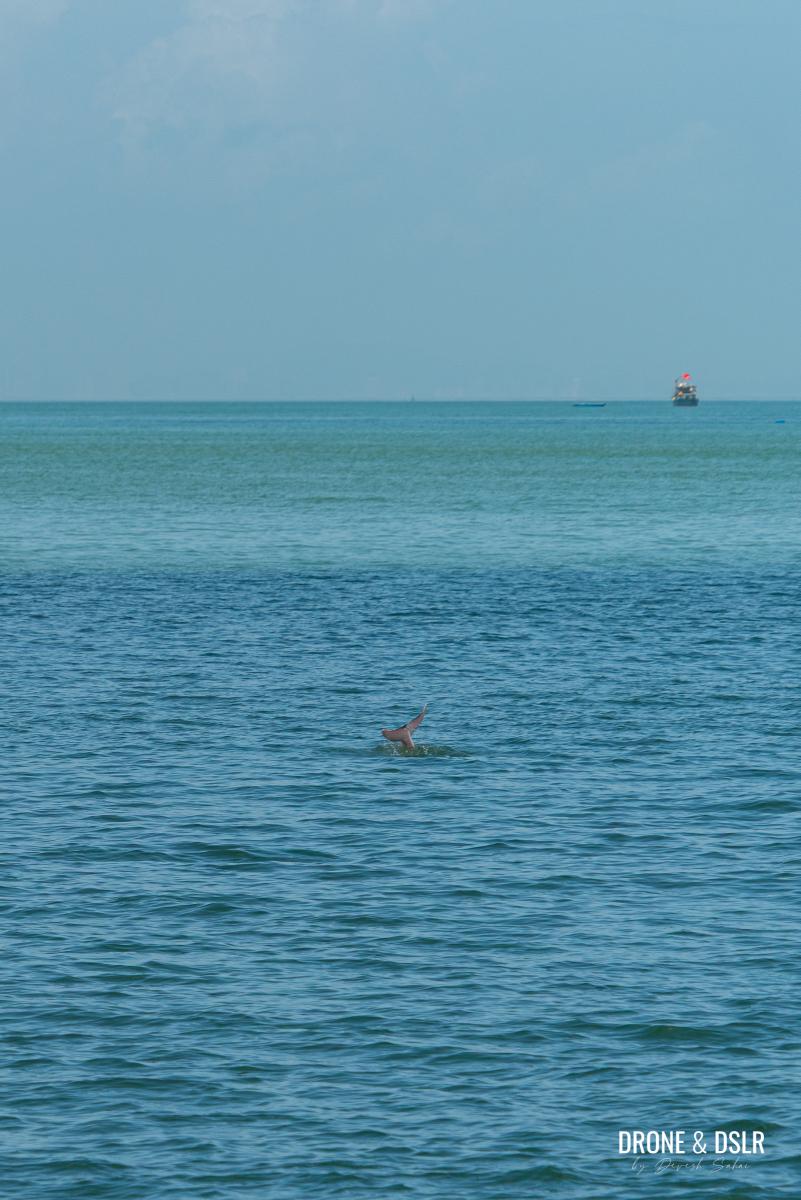
Flipping its tail at us
You might also like







Leave a reply