


Lei Yue Mun used to be my go-to spot for delicious seafood. I hadn’t been back since the pandemic, when much of the village and its restaurants were closed. However, Lei Yue Mun has undergone a significant transformation during and since the pandemic, and continues to evolve into a vibrant destination for both locals and tourists.
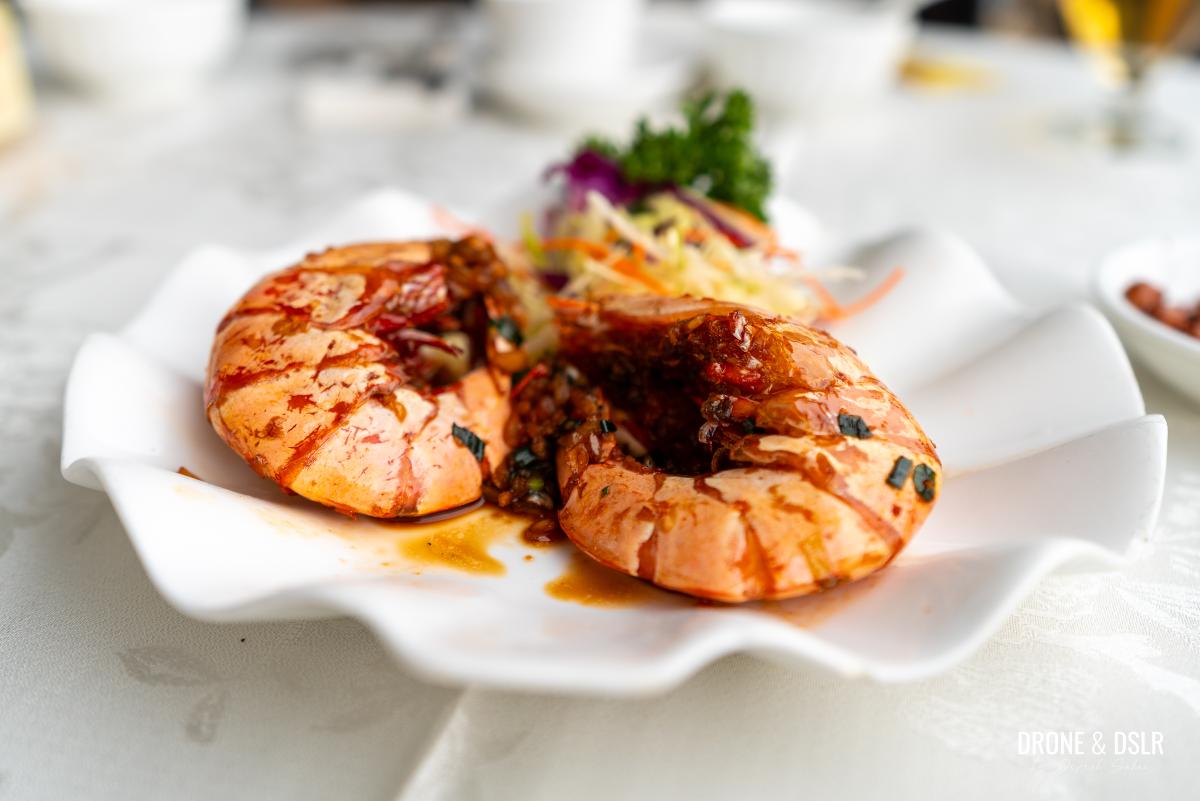
Delicious and fresh seafood — that’s why we come to Lei Yue Mun
Today, Lei Yue Mun offers a blend of history, including its old quarry, stunning views from its waterfront, and, of course, incredible seafood.
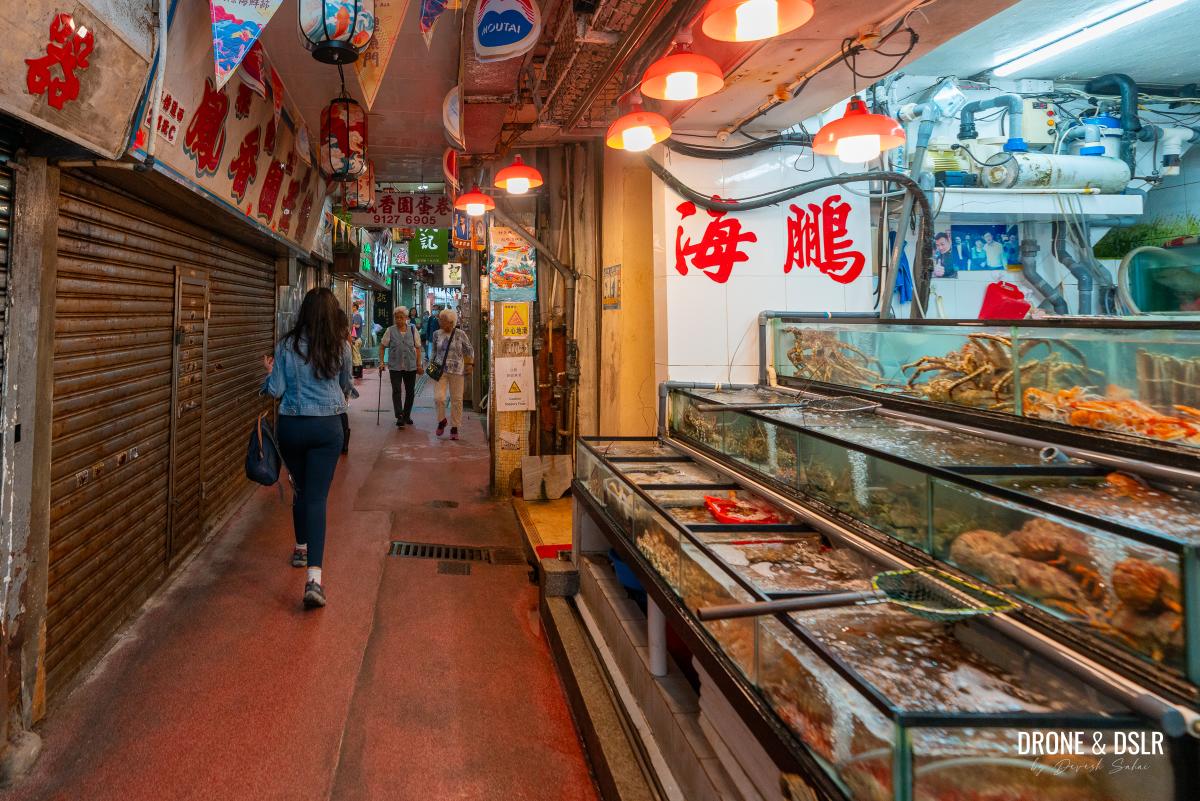
Entering the famous seafood district of Lei Yue Mun
It’s a fantastic place to spend a day exploring the villages along the shore, discovering the remnants of the old quarry, and learning about its significance. For an even more adventurous day, I recommend combining your visit with a hike up Devil’s Peak – more details on that are below.
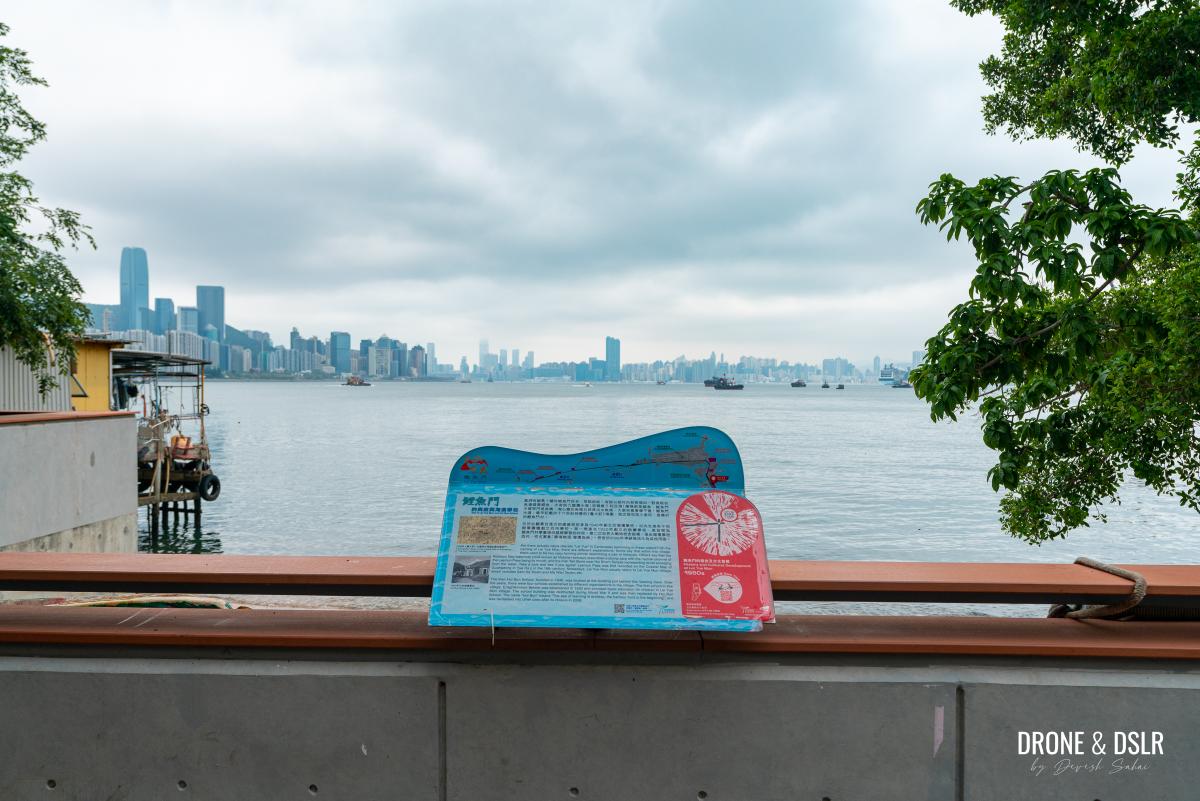
Views of the Hong Kong skyline from the waterfront at Lei Yue Mun
But first, let’s discuss how to get to Lei Yue Mun.
How to get to Lei Yue Mun
Situated at the southern end of Yau Tong, Lei Yue Mun is the closest Kowloon gets to Hong Kong Island. You can reach here by MTR, bus, and ferry.
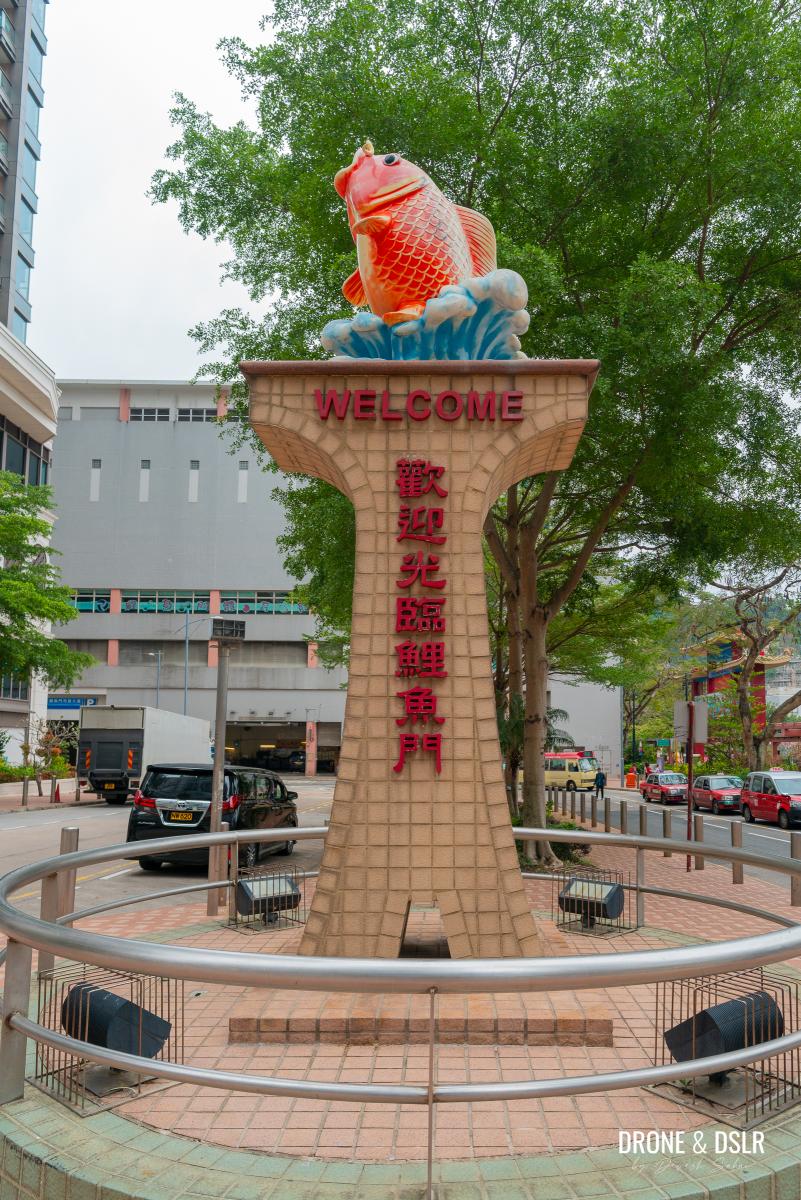
The entrance to Lei Yue Mun
By MTR
The closest MTR station to Lei Yue Mun is Yau Tong, which is connected to Hong Kong Island via the Tsuen Kwan O Line (purple), and to Kowloon via the Kwun Tong Line (green). From the Yau Tong Station, the village is about a 10–15 mins walk.
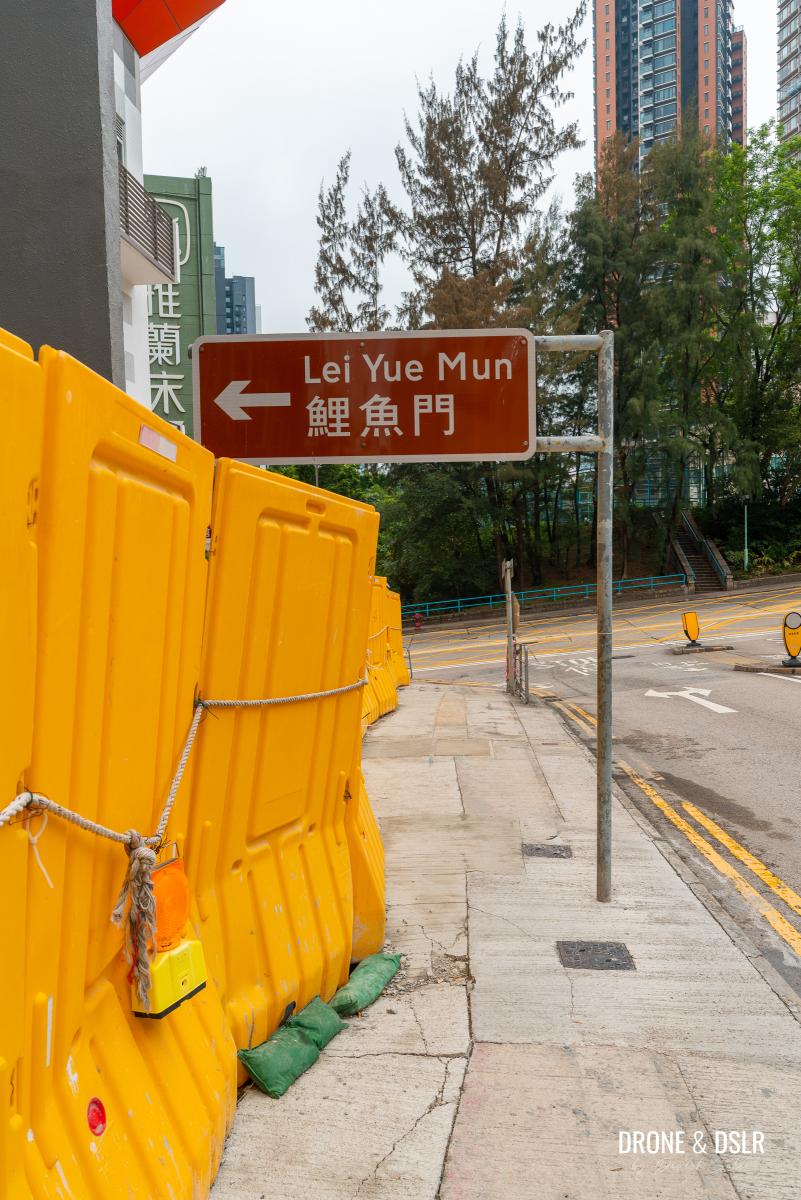
Lei Yue Mun is a short walk from the MTR. Simply follow the signs.
By Bus
Numerous buses and minibuses serve Yau Tong and Lei Yue Mun. For the most convenient route, I recommend checking Google Maps based on your starting location.
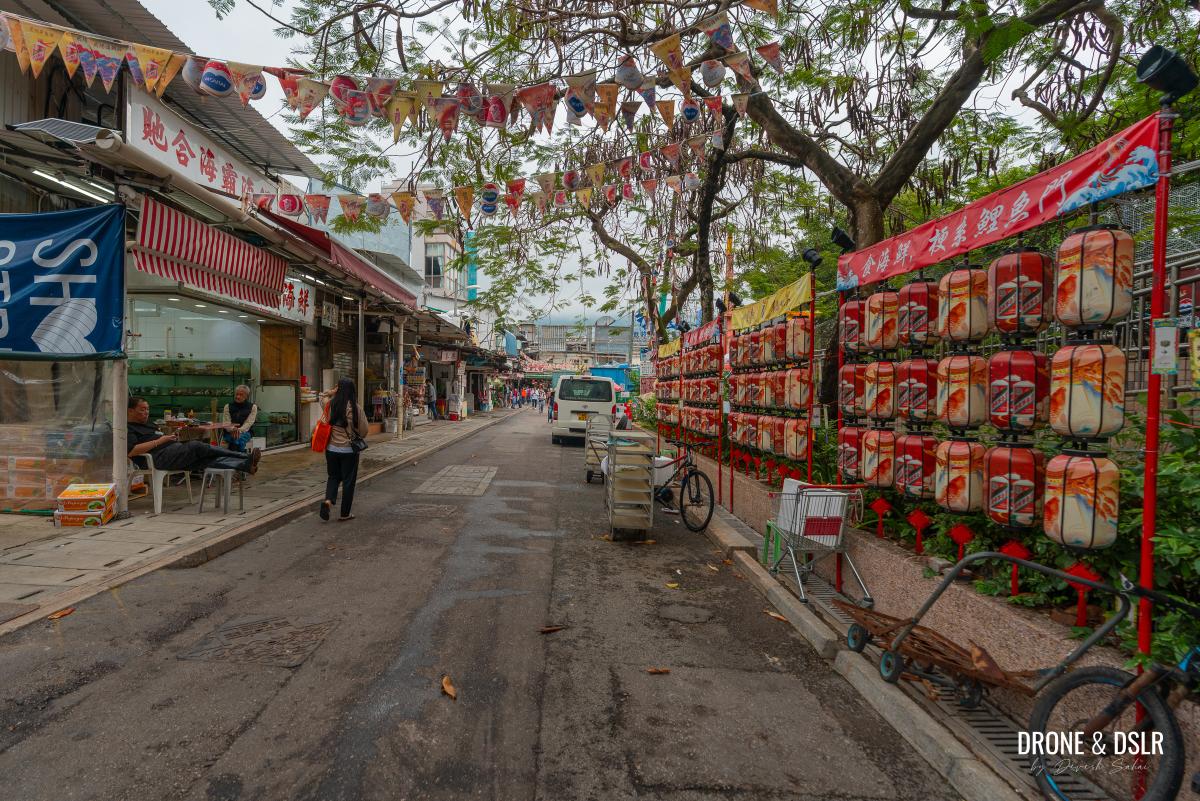
Stepping onto Lei Yue Mun Hoi Praya Road where all the seafood goodness starts
By Ferry
Lei Yue Mun is also accessible via ferry from Sai Wan Ho on Hong Kong Island. The ferry runs between Sai Wan Ho and Sam Ka Tsuen ferry pier, which is a 5-minute walk from the seafood restaurants. The timetable can be found on the ferry operator’s website.
Brief History of Lei Yue Mun
Lei Yue Mun, literally “Carp Gate” in Cantonese, gets its name from a couple of fascinating stories. One tale claims there were once two carp ponds shaped like fisheyes in the area. Another suggests that Victoria Harbour resembled a plump carp, with the narrow Lei Yue Mun Pass acting as its mouth and the Fish Tail Stone near Hoi Sham Temple representing its tail breaking the surface.
Regardless of its origin, Lei Yue Mun has played a significant role in Hong Kong’s history.
The term Lei Yue Mun refers to both the short channel separating Kowloon from Hong Kong Island and the land on either side. This unique geographical location makes it the eastern entrance to Victoria Harbour, narrowing the gap between Kowloon and Hong Kong Island to just 420 metres. Consequently, the pass has always been a vital strategic waterway for ships entering the harbour from the east.
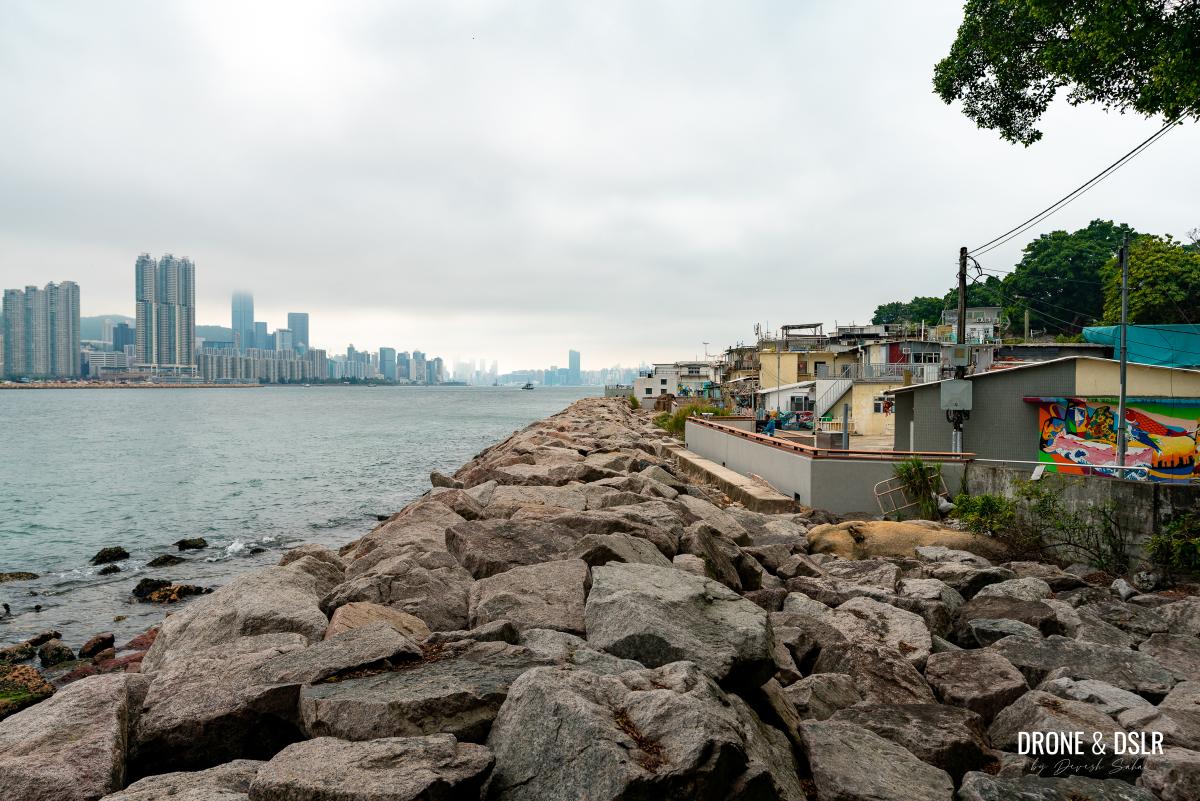
The Lei Yue Mun Pass that separates HK Island from Kowloon
During the 1880s, as France and Russia expanded their influence in East Asia, the British Army constructed defensive facilities (forts and batteries) along the southern coast of Lei Yue Mun Pass to protect Hong Kong. This led to the establishment of Lei Yue Mun Fort as the eastern fortress of Hong Kong Island.
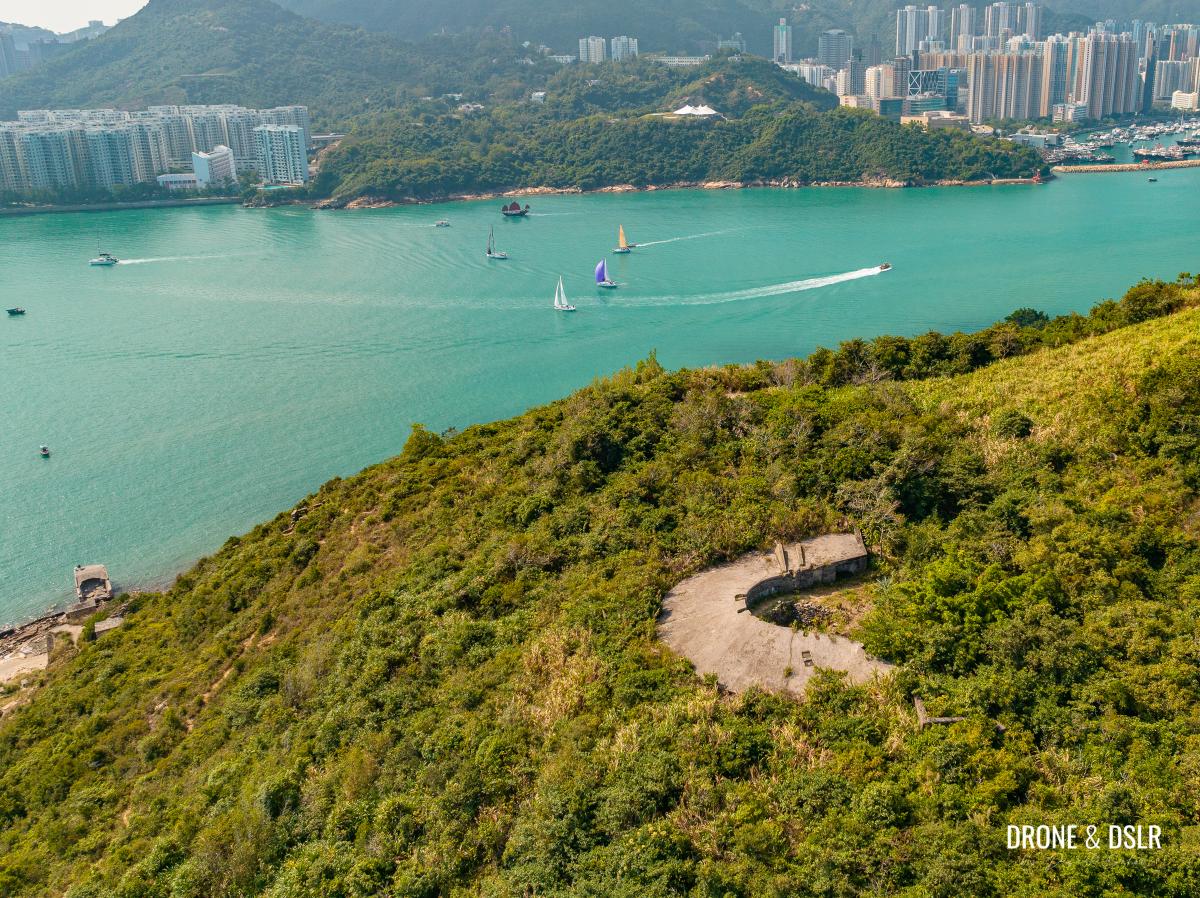
The entrance to Hong Kong’s harbour via Lei Yue Mun
After the British leased the New Territories in 1898, further fortifications were built on Devil’s Peak, including Gough Battery and Pottinger Battery (completed in the early 1900s) and Devil’s Peak Fortress (completed in 1914). In 1903, Pak Sha Wan Battery was constructed at A Kung Ngam, on the opposite shore, to jointly defend Lei Yue Mun Pass. All these fortifications were abandoned after World War II.
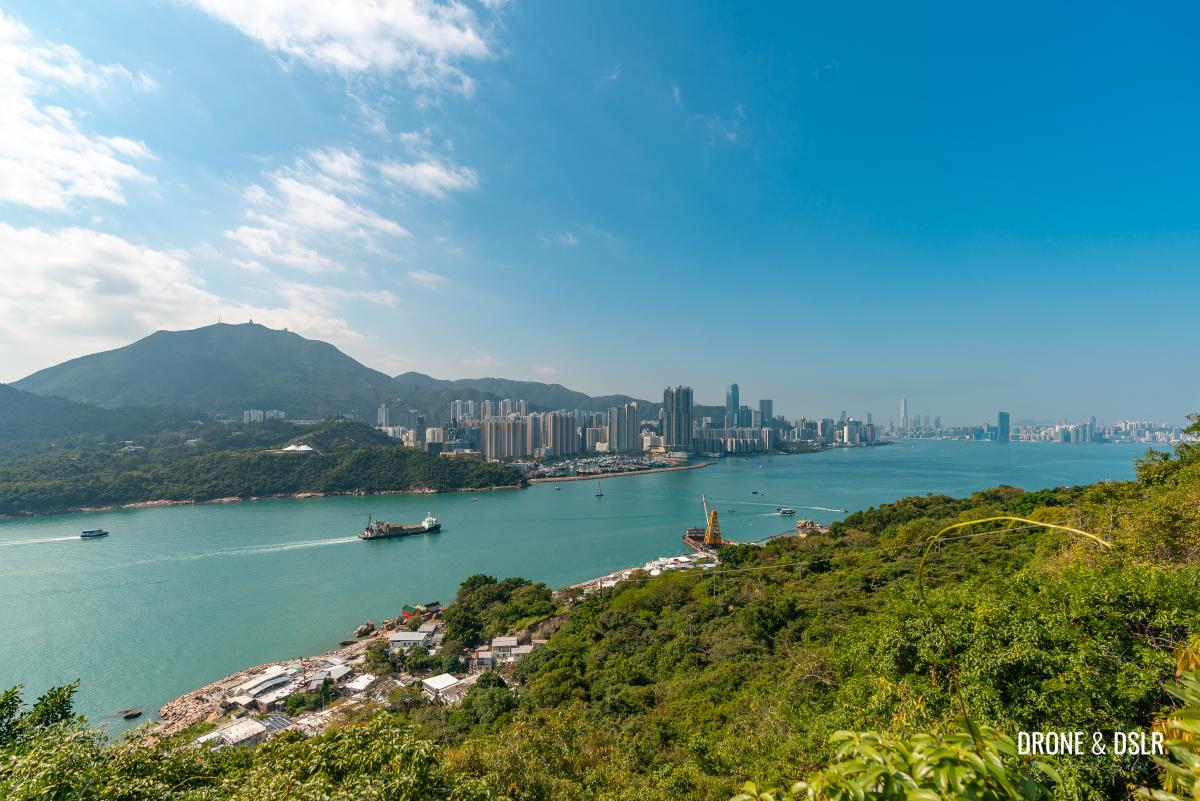
Lei Yue Mun views from Pottinger Battery
For the purpose of this post, “Lei Yue Mun” will specifically refer to the cluster of villages on the Kowloon side, including Ma Pui Tsuen (馬背村), Ma San Tsuen (媽山村), Ma Wan Tsuen (馬環村), and Sam Ka Tsuen (三家村). The seafood restaurants, waterfront promenade, and former quarry are all located on this side.
Things To Do In Lei Yue Mun
Lei Yue Mun offers visitors plenty to do and explore. It’s a great option for those seeking a day’s outing, especially in the summer months.
Here are some of our favourite things to do in Lei Yue Mun.
Eat delicious seafood
No visit to Lei Yue Mun is complete without enjoying a meal at one of its many seafood restaurants. With an establishment every few metres, choosing one can feel overwhelming! While most are very good, they tend to be relatively expensive.
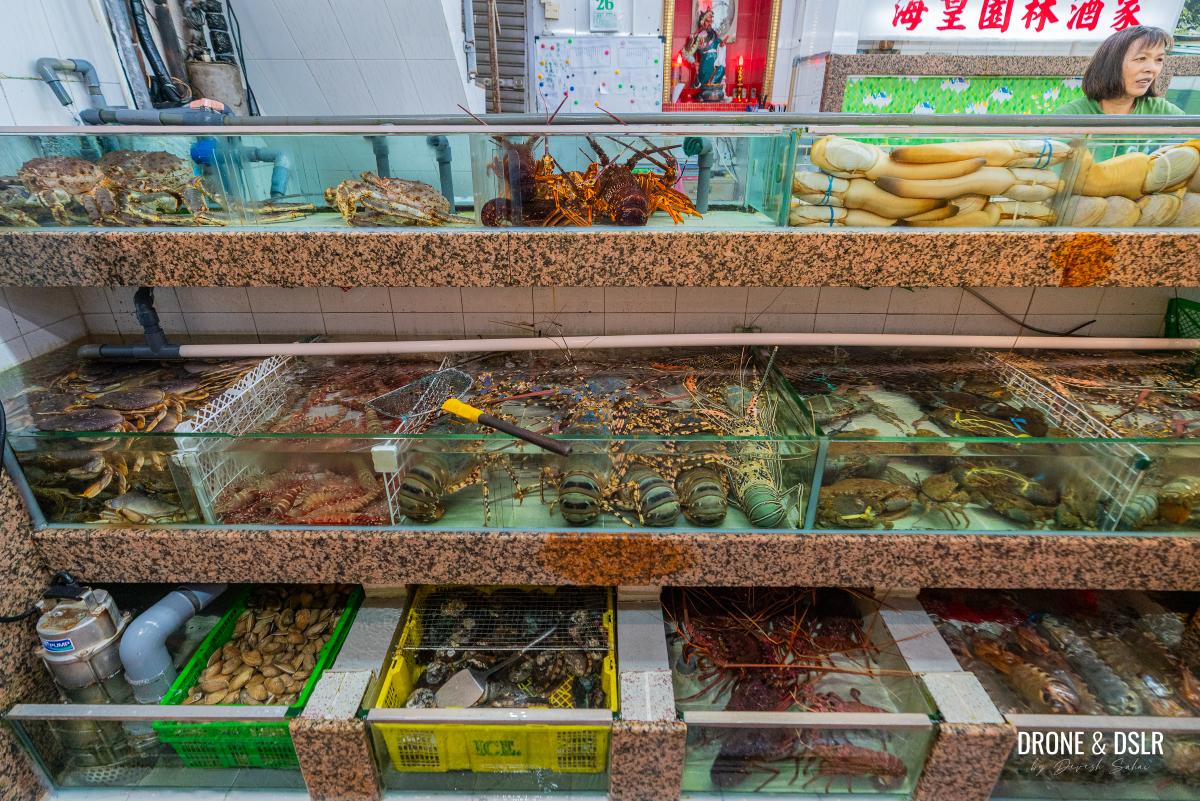
Most restaurants will make you buy your own seafood from a vendor
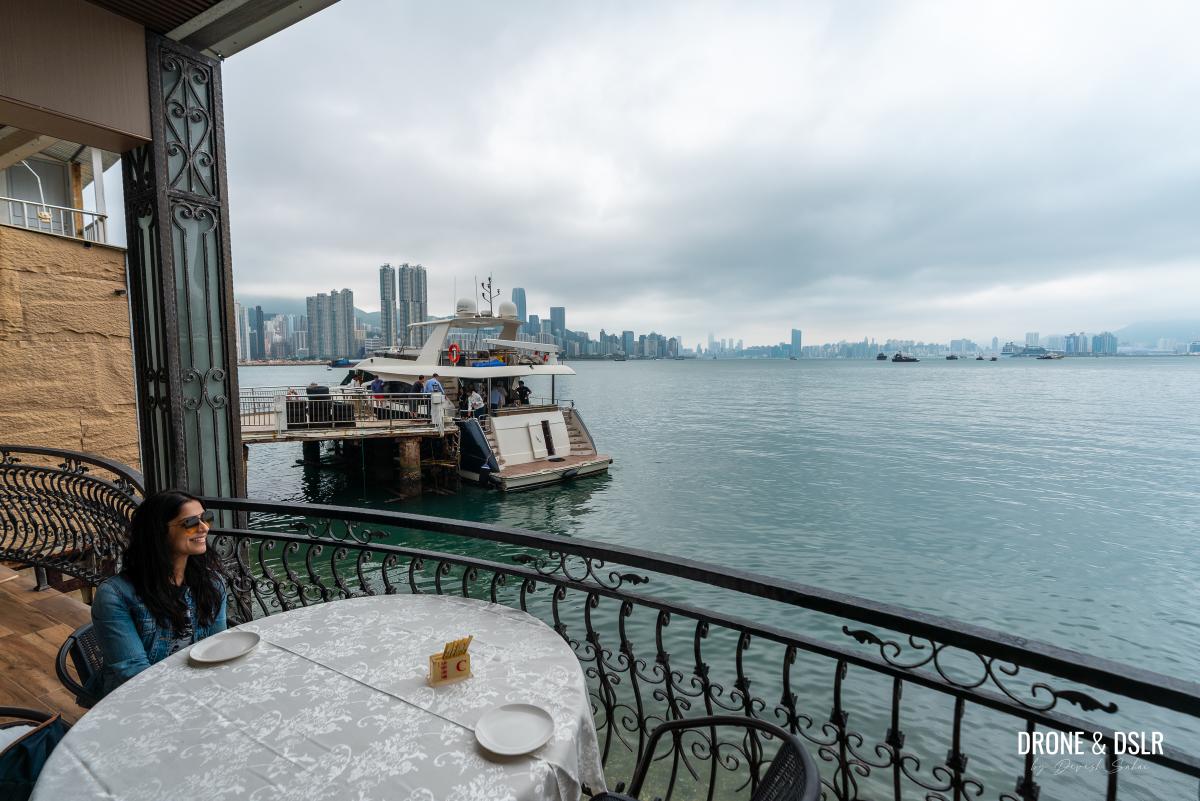
I particularly recommend Happiness Seafood Restaurant, as it offers stunning views of the harbour and skyline, along with an outdoor balcony for dining.
-

- Enjoying our balcony dining experience at Happiness Seafood Restaurant, Lei Yue Mun
-
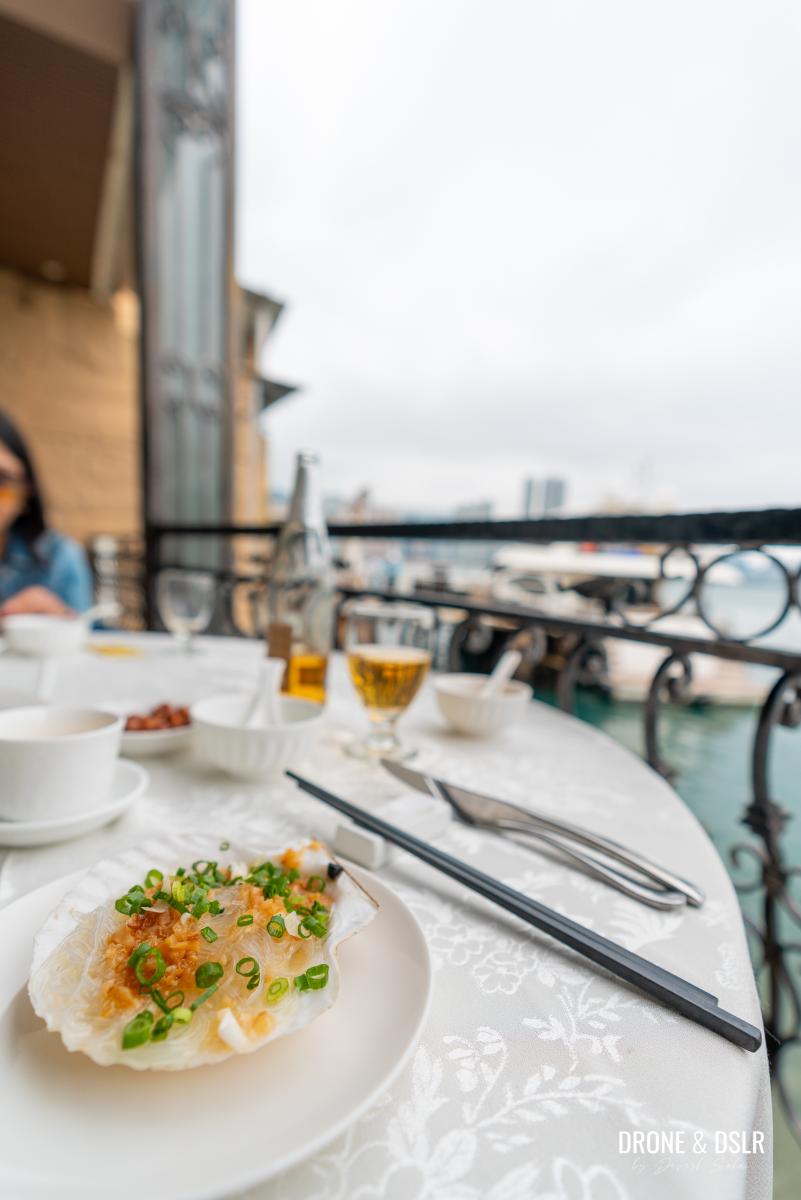
- Seafood, beer, views — all at Lei Yue Mun
Nearby, you’ll also find two well-established options: Monet Garden and Gateway Cuisine. Wai Lung Seafood Restaurant and Kam Lung Seafood Restaurant are other popular choices.
Ultimately, the best restaurant depends on your preference, but we recommend selecting one with a view to enhance your experience.
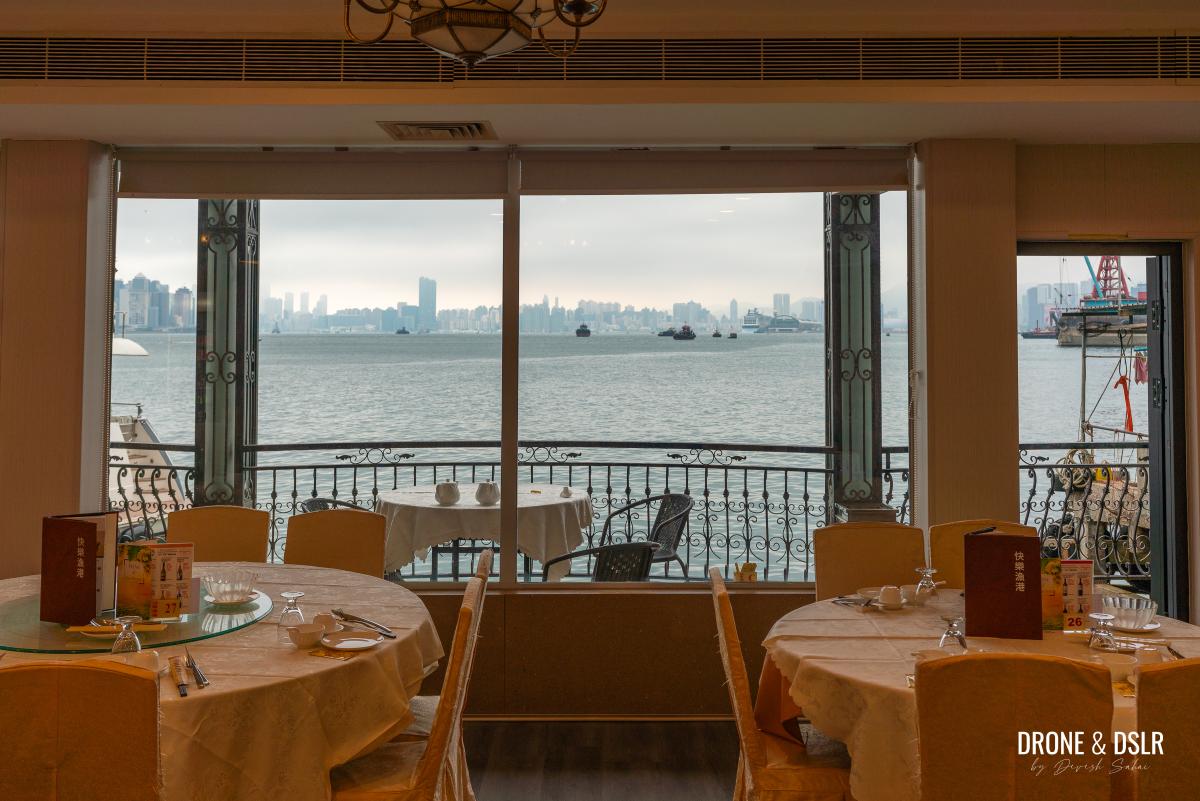
Pick a restaurant with a view, ideally, at Lei Yue Mun
Grab some local snacks
Beyond its delicious seafood, Lei Yue Mun is also known for its local bakeries, the most popular being 年香園餅家.
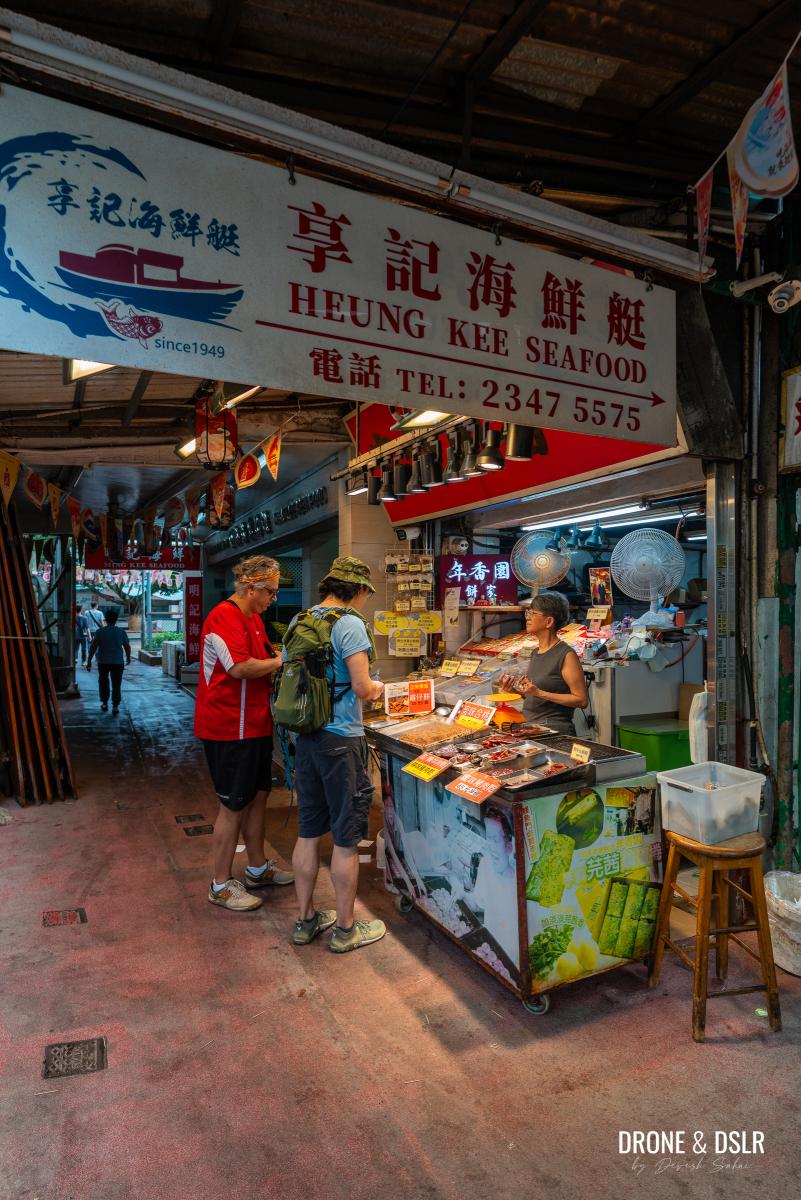
Grab your snacks at the 年香園餅家 bakery
The owners are incredibly friendly and generous, often offering samples before you buy. I highly recommend trying the honey-sesame walnuts and the dried beef, they’re my personal favourites!
Visit the Lei Yue Mun Lighthouse
At the end of Lei Yue Mun Village stands an iconic lighthouse. Originally named beacon no. 88, it was erected in 1902.
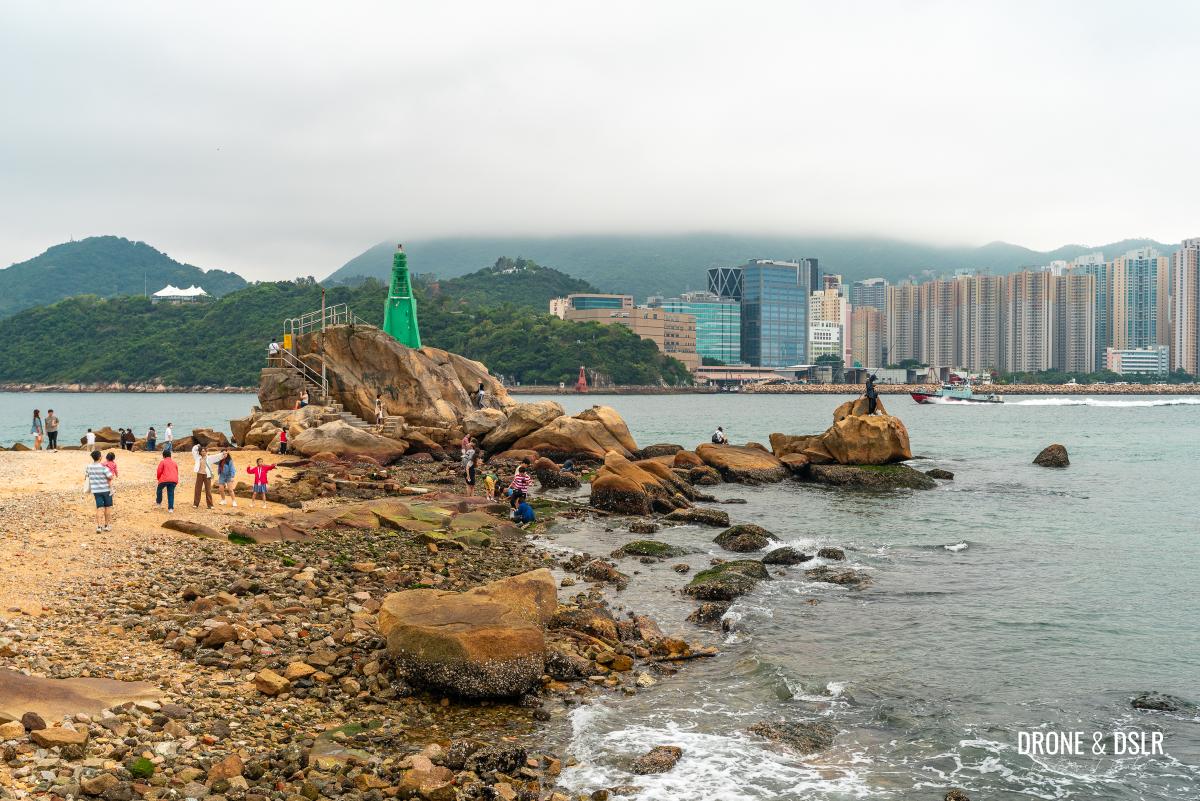
At the end of the seafood district is the famous lighthouse
Positioned upon a near-shore reef, the lighthouse guides vessels through the narrow Lei Yue Mun Pass, helping them locate safe passage and avoid dangerous reefs.

The Lei Yue Mun Lighthouse
A navigation light was added in 1924, and the lighthouse was rebuilt in 1964. Today, the Lei Yue Mun Lighthouse remains an iconic part of the village and is a popular spot for photography (i.e. Instagram).
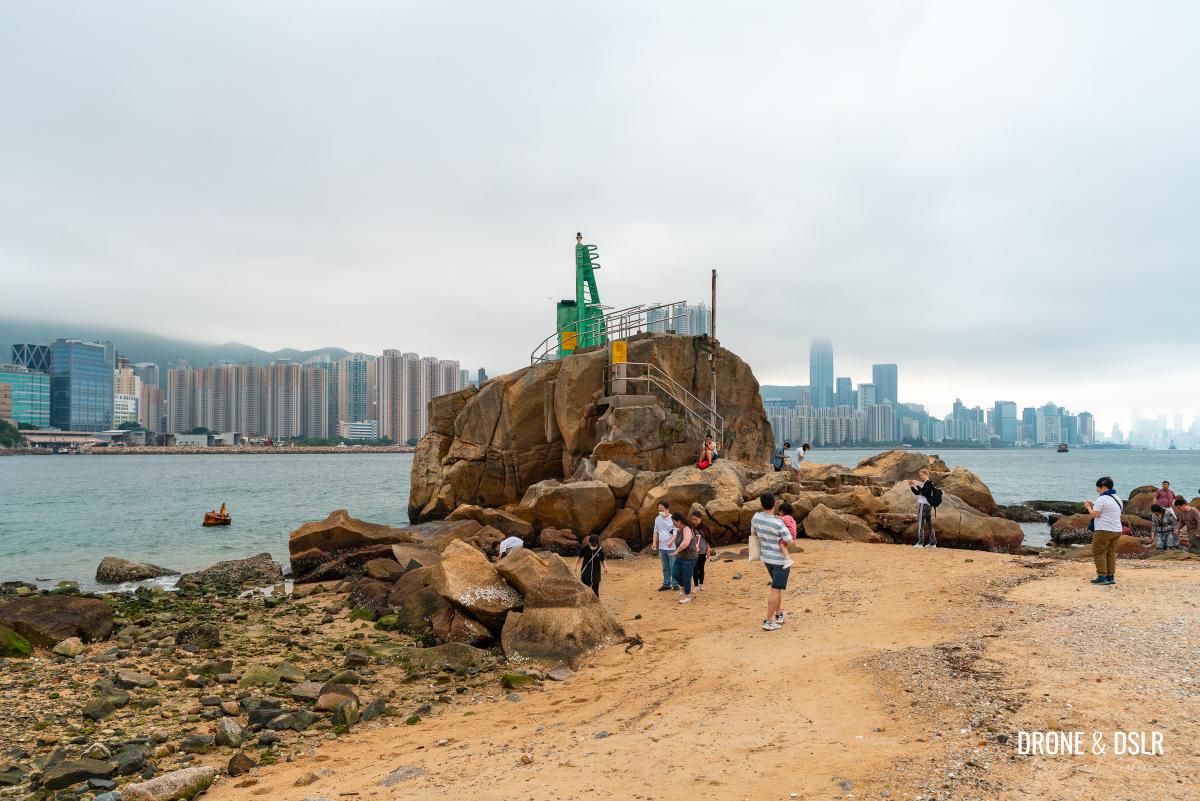
The Lei Yue Mun Lighthouse is a popular attraction
If you’re lucky, you might even catch a glimpse of a ship or cruise liner passing through the Lei Yue Mun Pass.
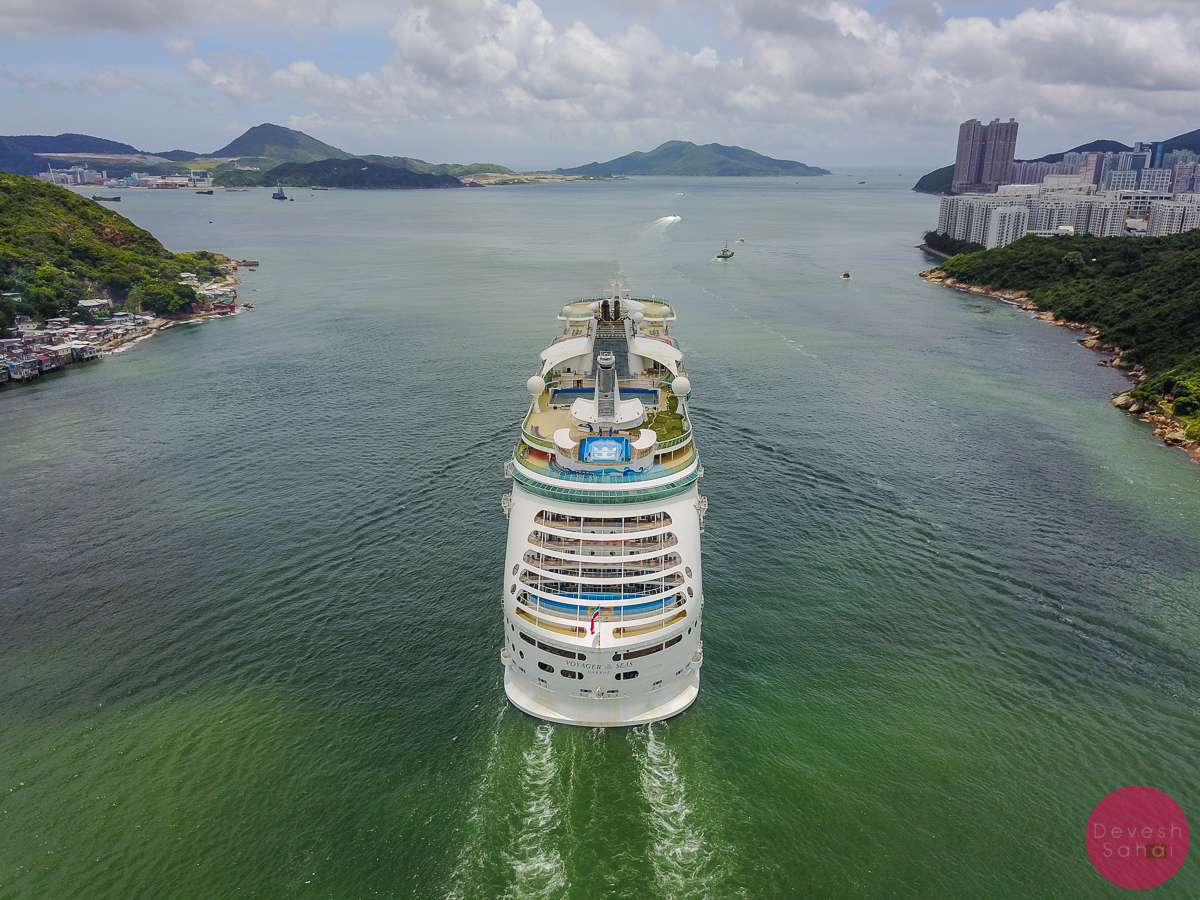
A cruise ship cutting through Lei Yue Mun Pass. Bon voyage!
Enjoy the Waterfront and Artwork
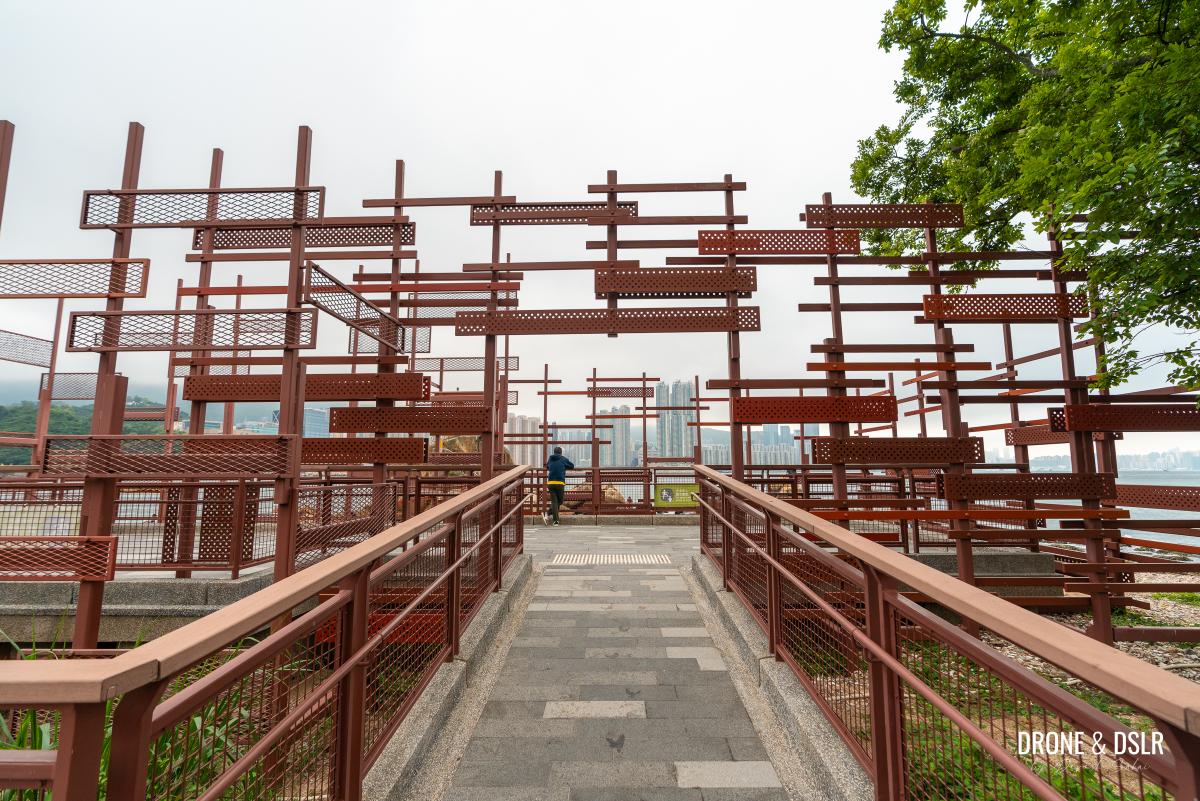
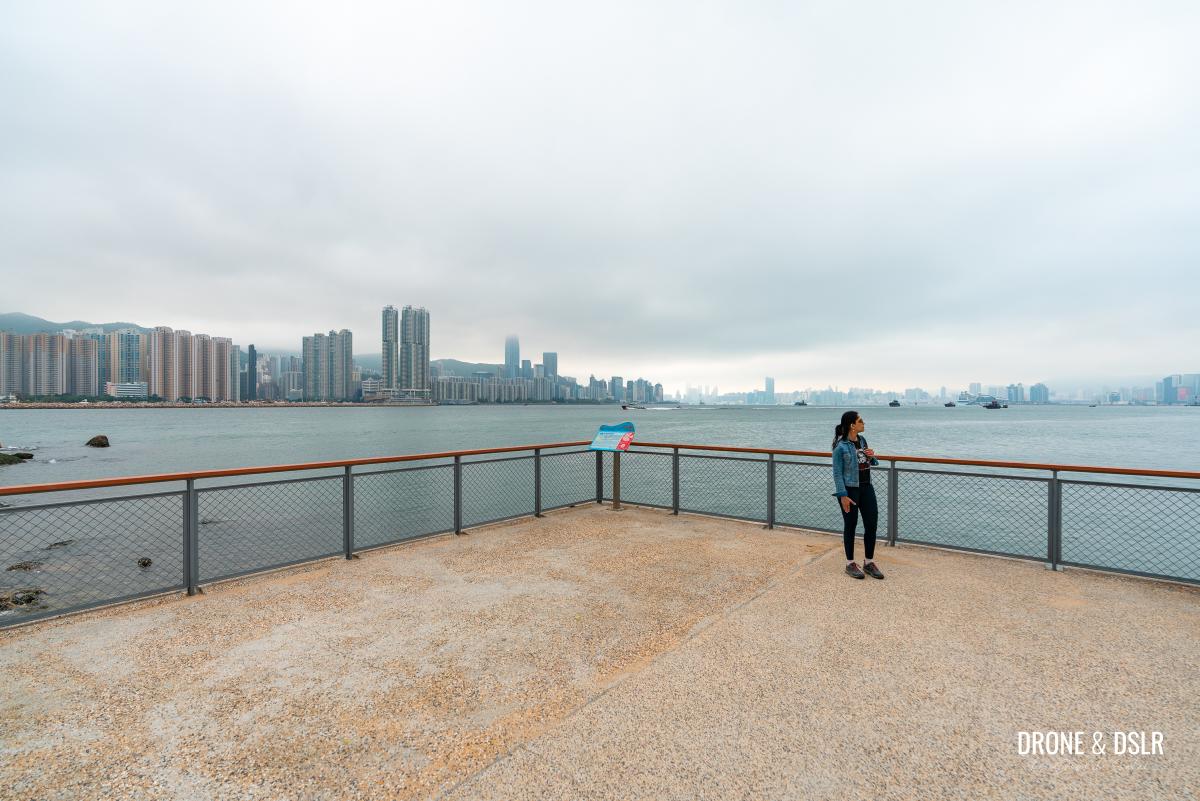
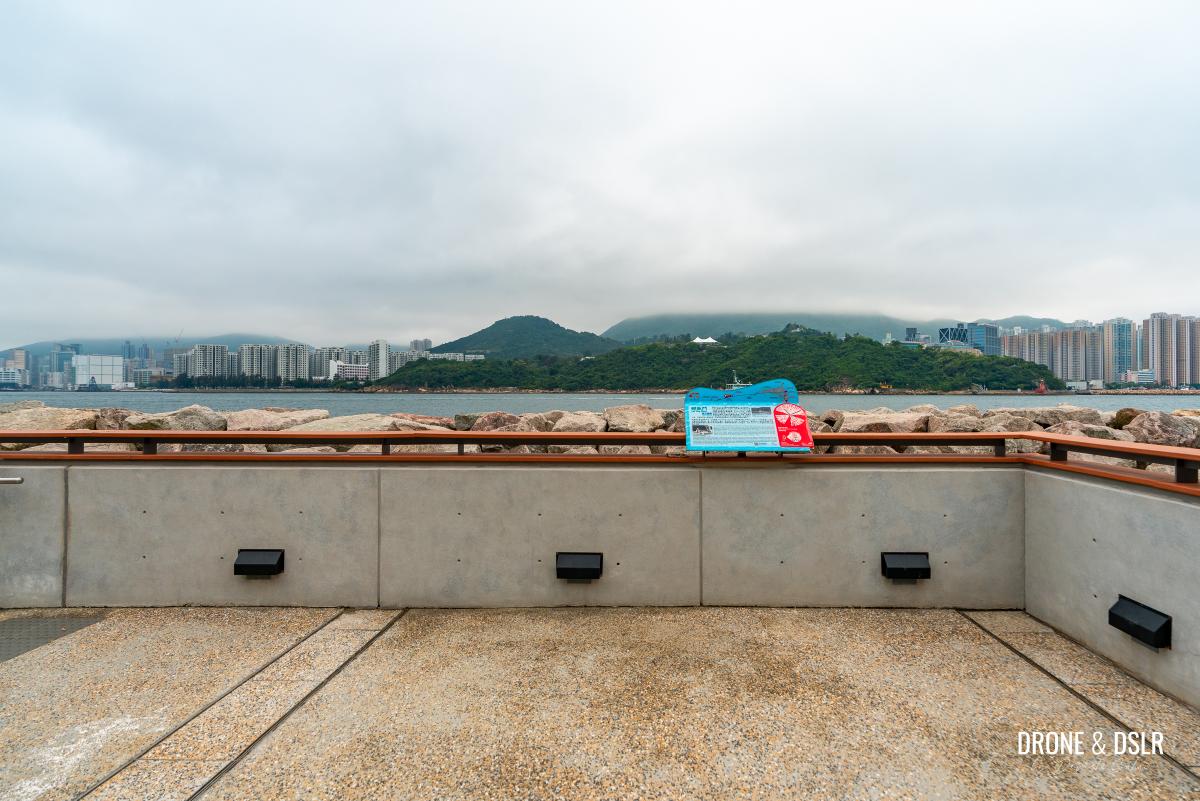
Lei Yue Mun is one of those relaxed destinations in Hong Kong where time seems to slow down. In recent years, particularly during and after the pandemic, the government has invested in revitalizing the villages, adding numerous viewing decks along the waterfront.
-
- The new viewing deck at Lei Yue Mun
-
- The new waterfront promenade has many new viewing decks
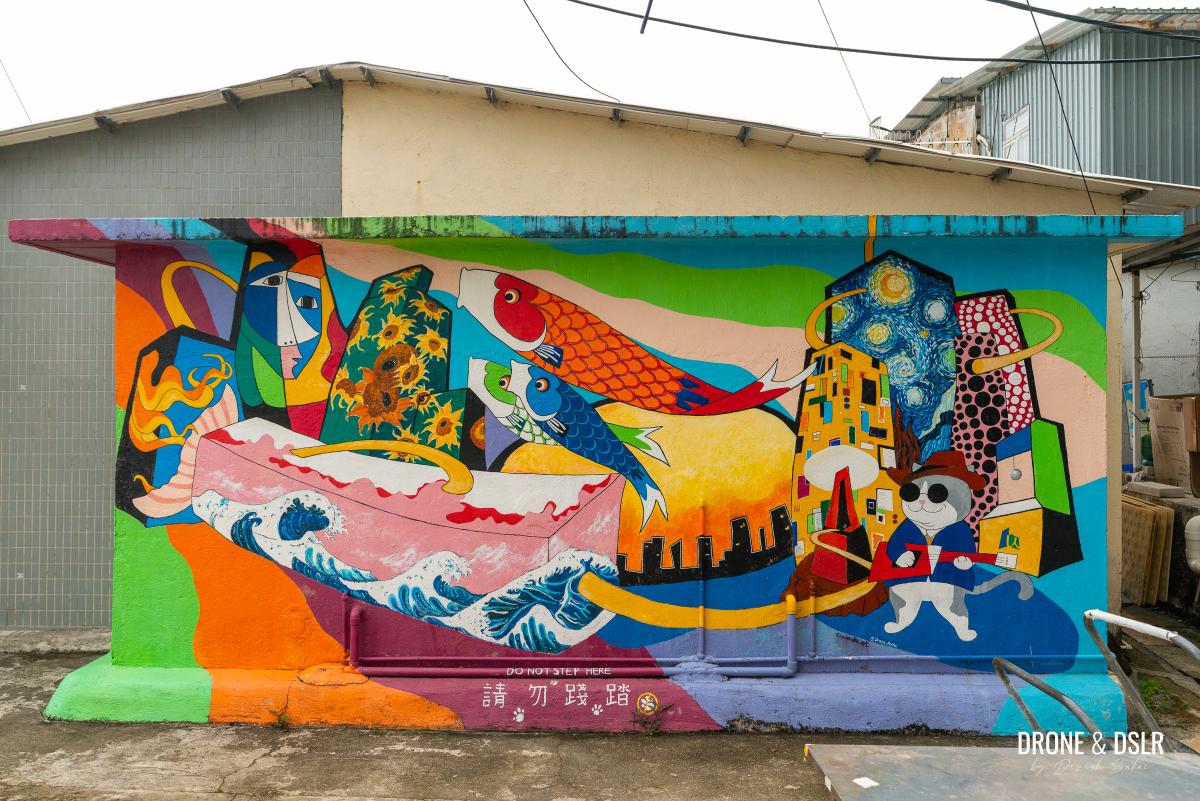
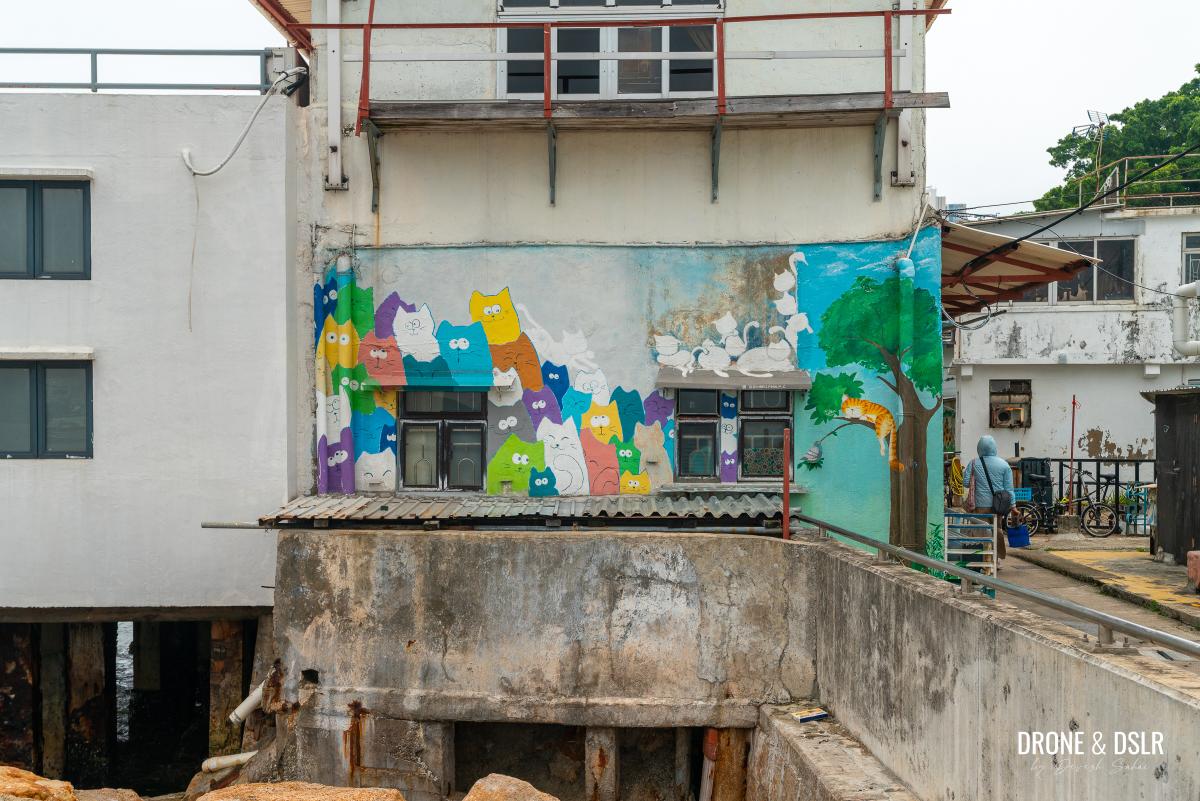
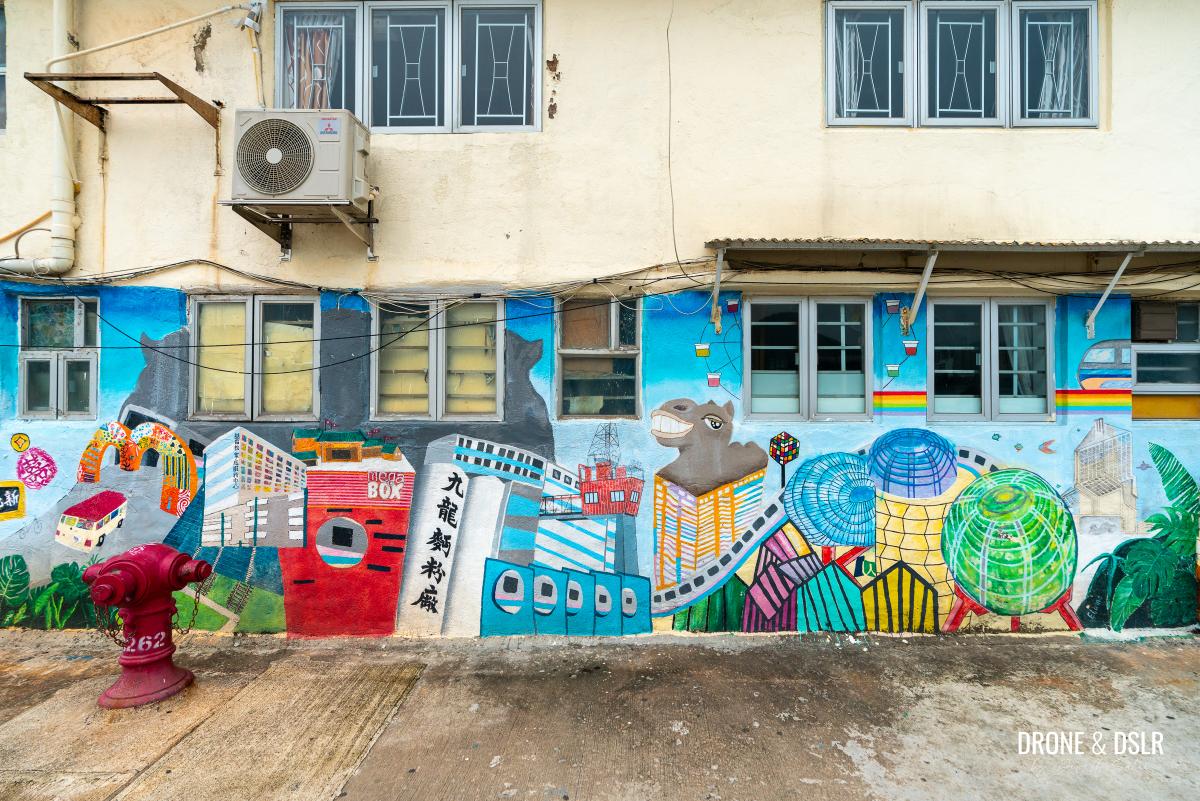
The pathways through the villages have also been improved, and vibrant murals now adorn the houses in Ma Wan Tsuen, adding a splash of colour and life.
-
- A beautiful and vibrant mural at Lei Yue Mun
-
- A cat mural at Lei Yue Mun
-
- Murals adorn many of the houses in Lei Yue Mun
-
- The graffiti on one of the restaurants at Lei Yue Mun
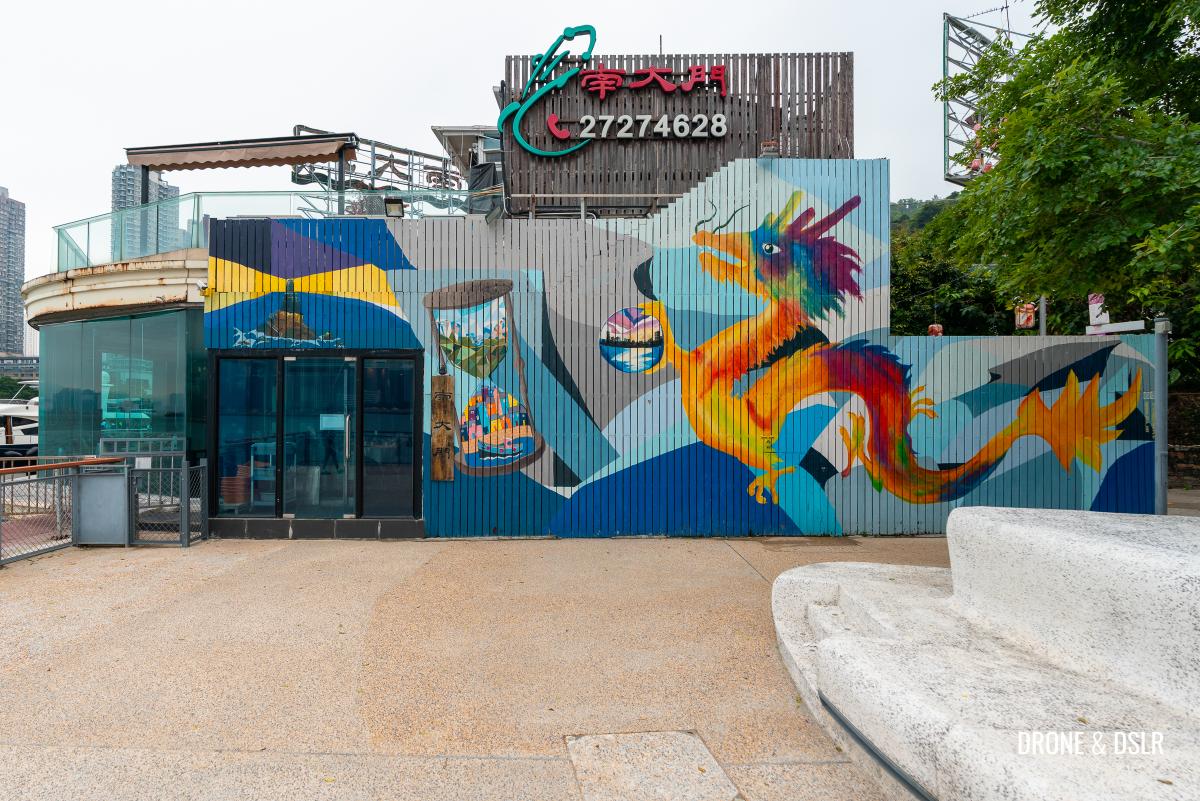
Take your time strolling through the villages of Lei Yue Mun, enjoying the harbour views, the colourful murals, and the Hong Kong Museum of The War of Resistance and Coastal Defence located across the pass.
-
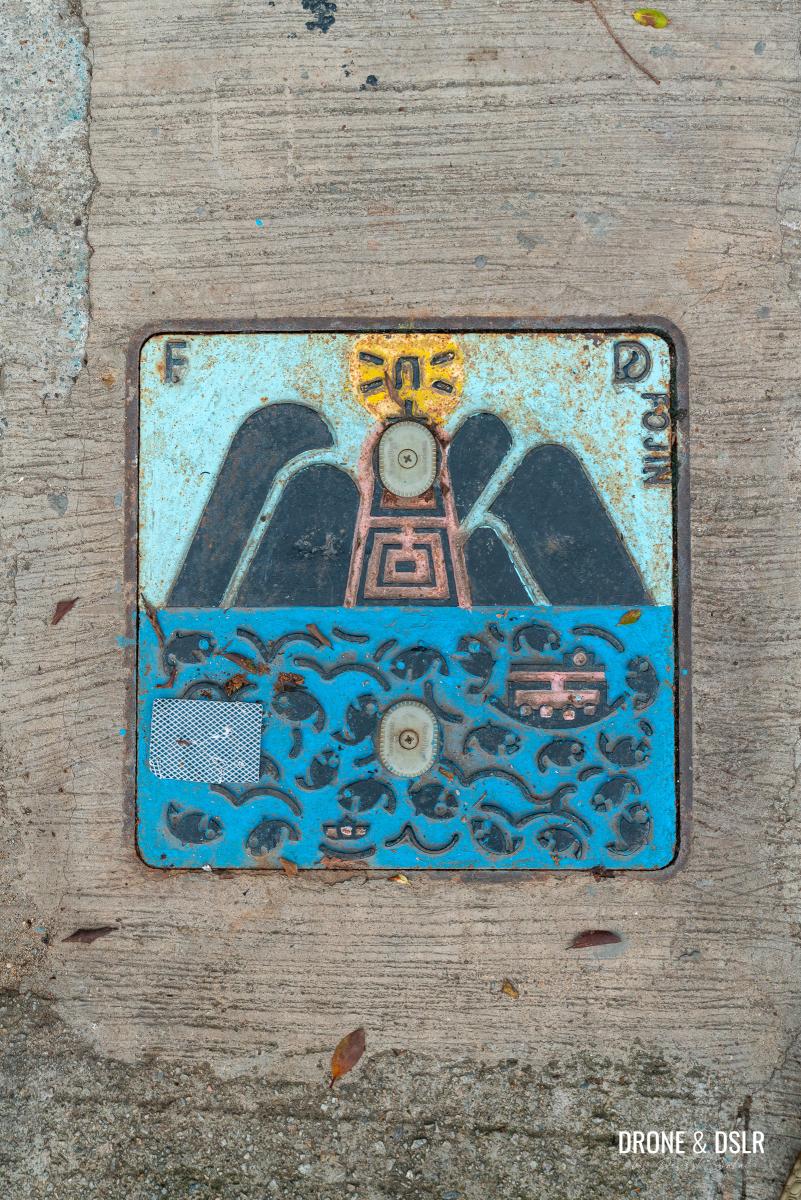
- Many of the manhole covers are also painted in Lei Yue Mun
-
- Check out the Hong Kong Museum of The War of Resistance and Coastal Defence just across the Lei Yue Mun Pass
Visit the Tin Hau Temple
Between Ma Wan Tsuen and Ma Pui Tsuen lies the famous Tin Hau Temple in Lei Yue Mun.
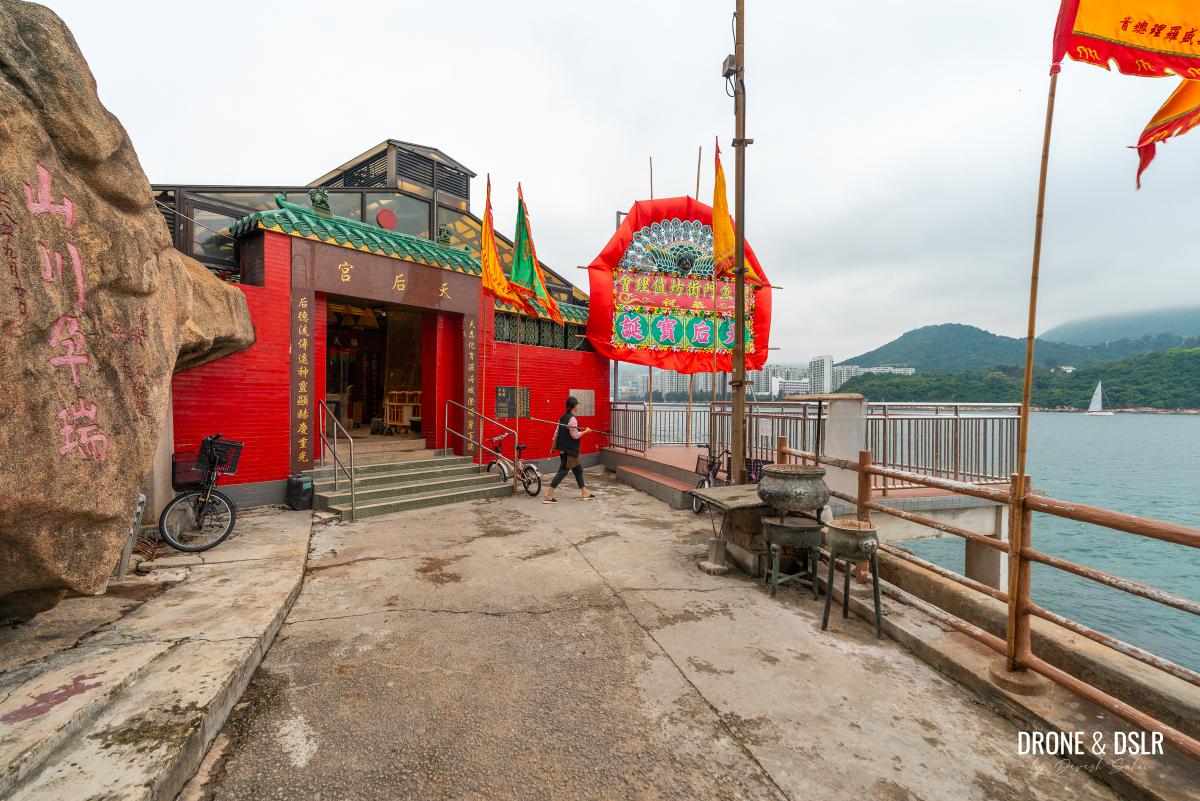
The Tin Hau Temple at Lei Yue Mun
Believed to have been built during the Qing dynasty in 1753 to worship Tin Hau, the goddess of the sea. This Grade III historic building stands apart from other Tin Hau temples in the city as it’s nestled behind colossal boulders adorned with messages of good fortune.
FYI, the path to the next village and quarry, passes through the temple premises.
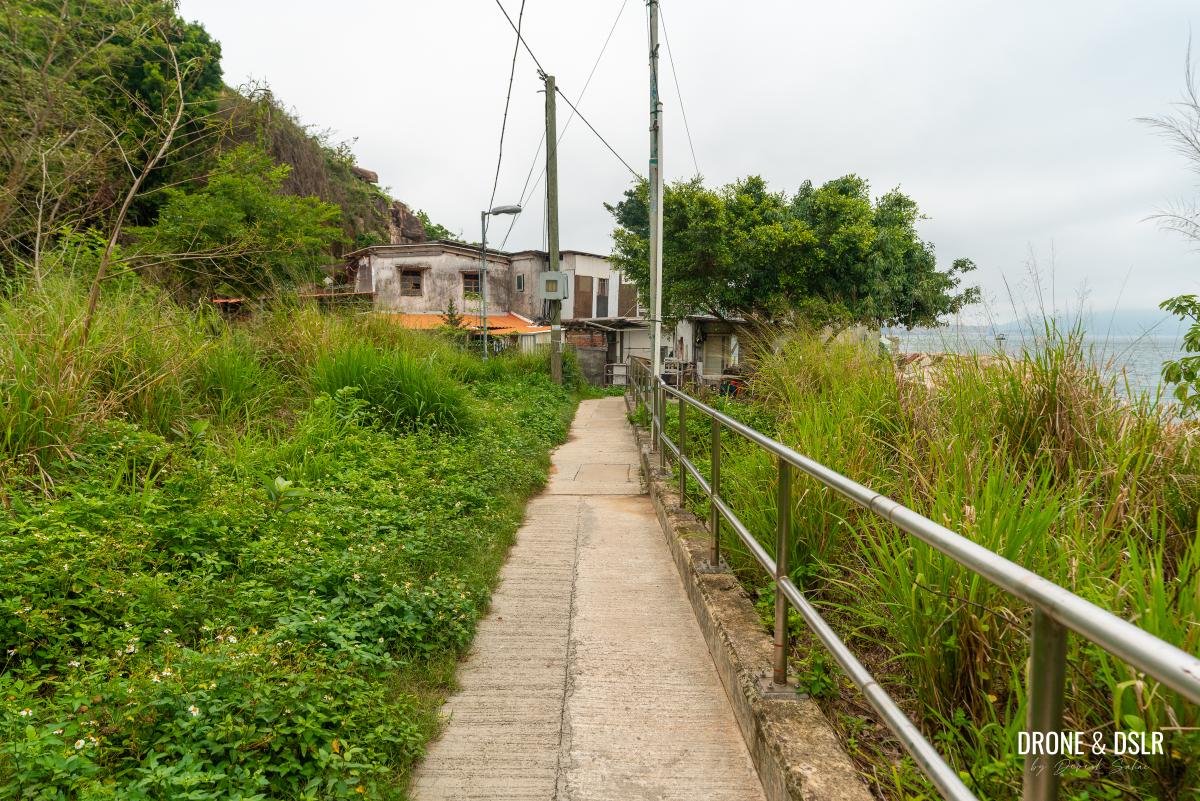
A tranquil walk along the waterfront in Lei Yue Mun
Explore the Old Lei Yue Mun Quarry
Walking through the villages of Lei Yue Mun and past the Tin Hau Temple will lead you to the old, abandoned Lei Yue Mun Quarry.
-
- Signs for the Old Lei Yue Mun Quarry
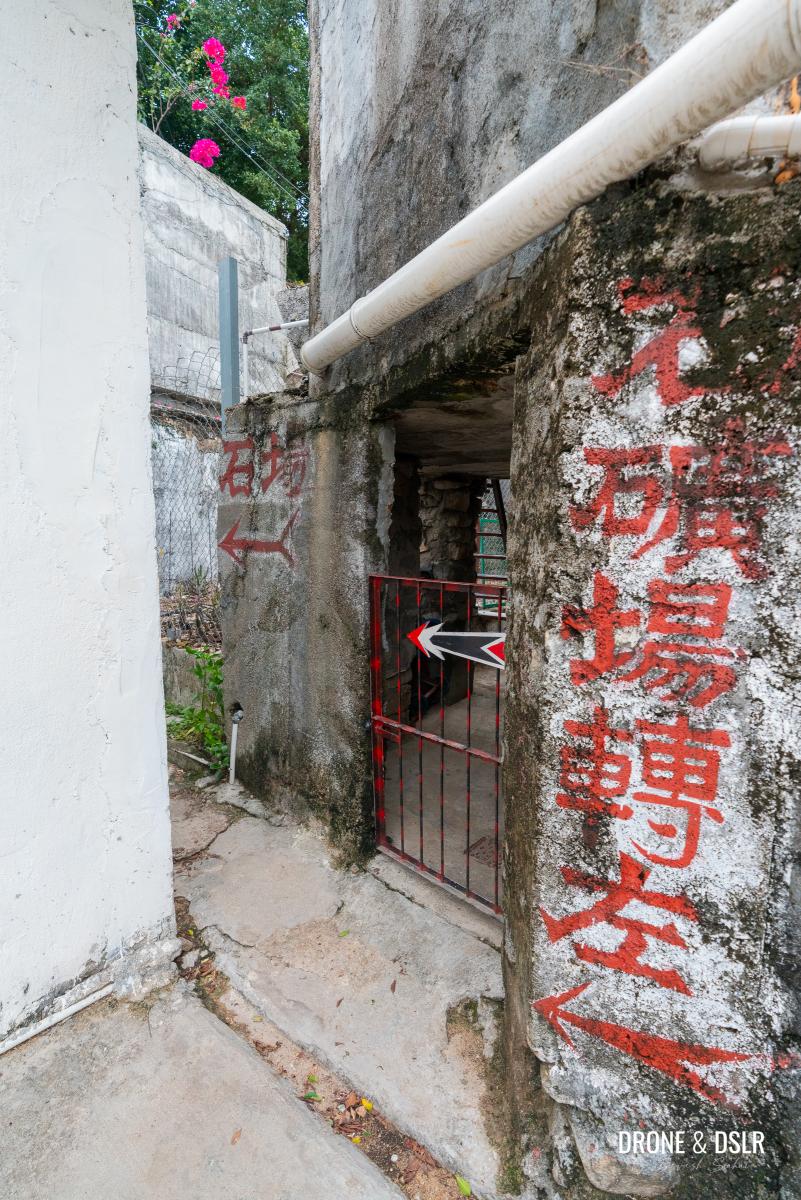
-
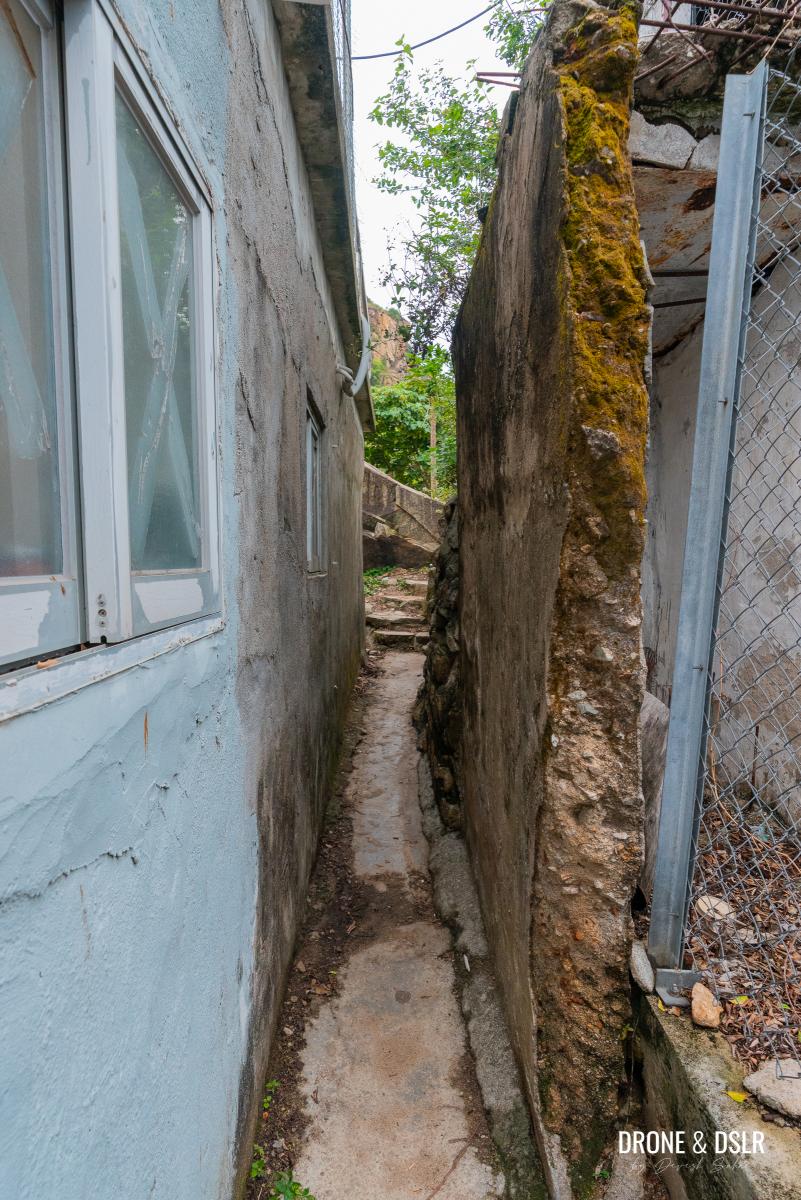
- You’ve got to squeeze through this to get to the old quarry
-
- Stepping onto the remains of the Old Lei Yue Mun Quarry

-
- An aerial perspective of what to explore at the Old Lei Yue Mun Quarry
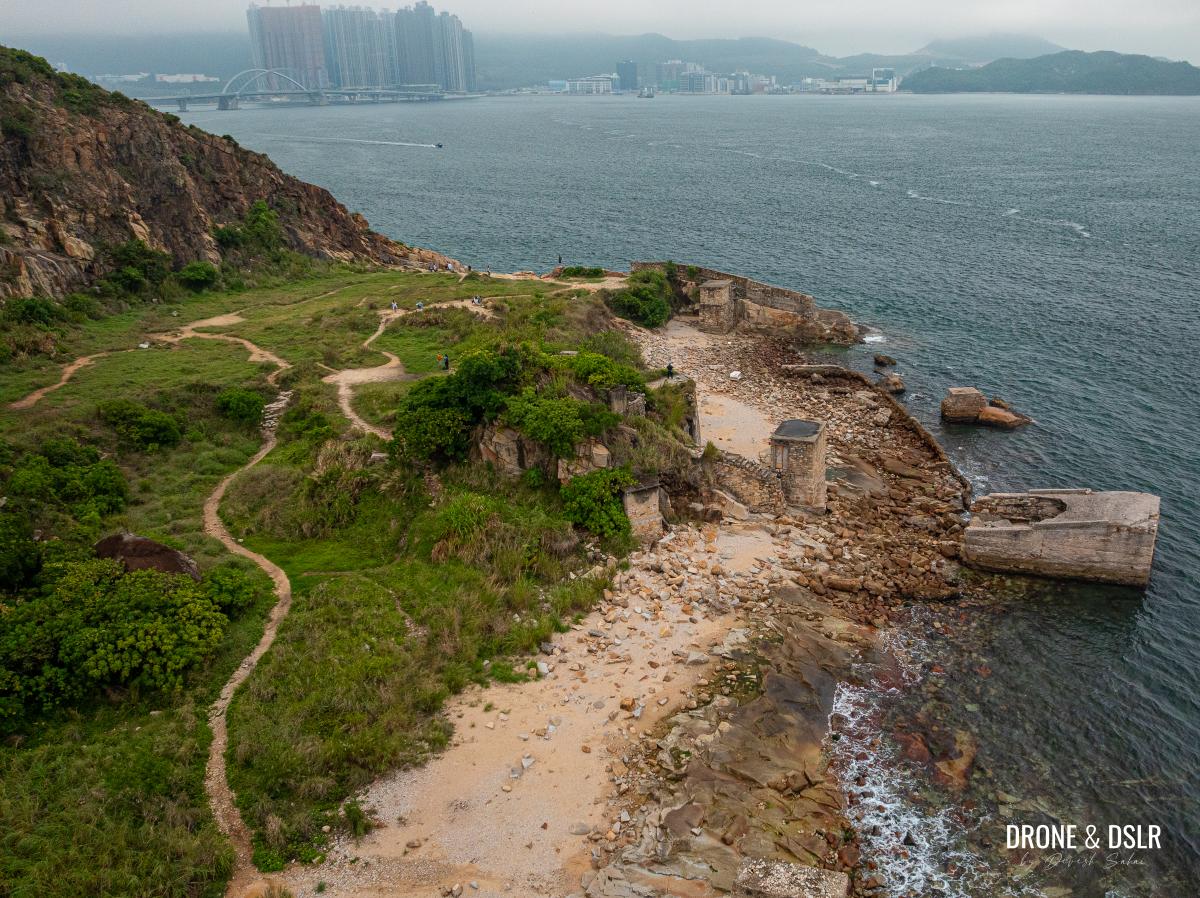
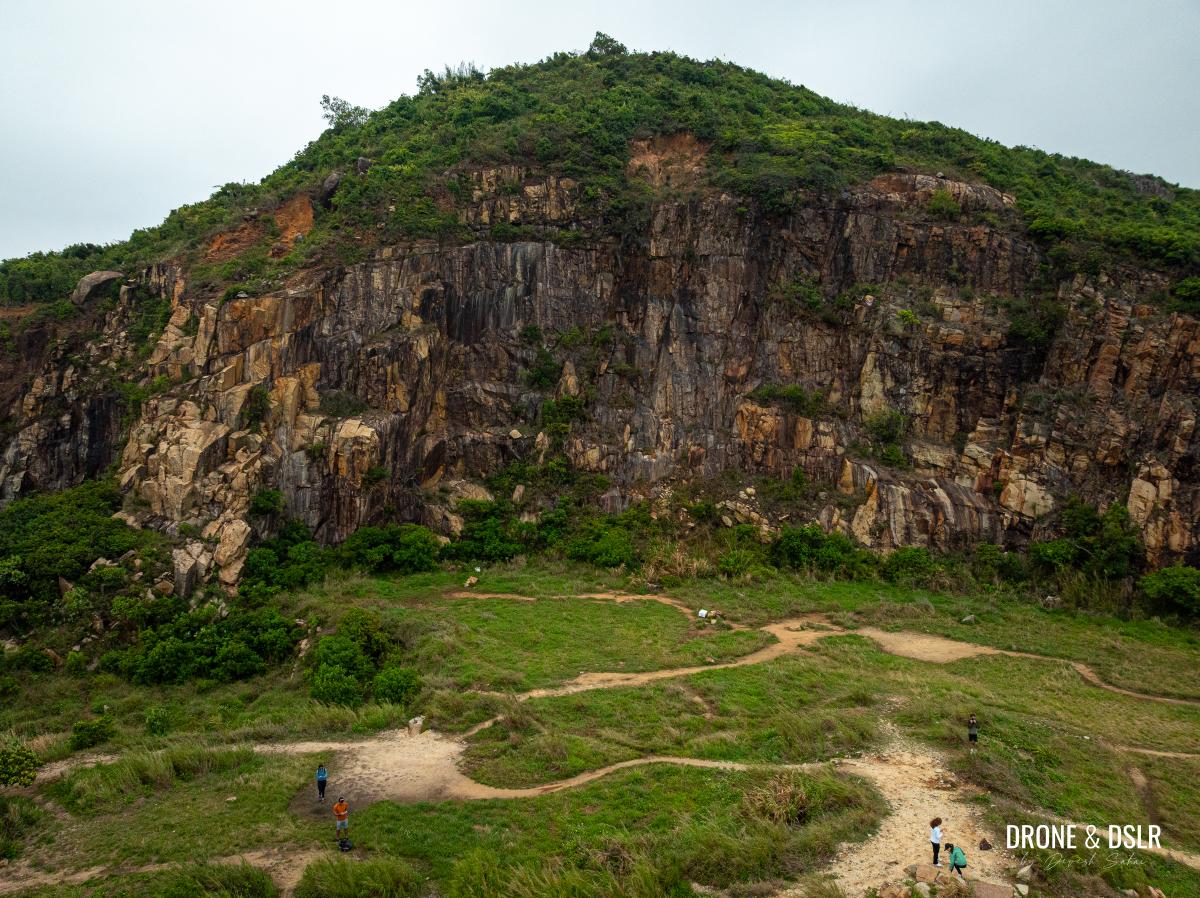
Hong Kong was once renowned for its thriving mining industry and extensive stone production, and the Lei Yue Mun Quarry was a prominent mining site during that era. However, as the industry declined in the 1980s, the quarry was left deserted.
-
- The old quarry at Lei Yue Mun
-
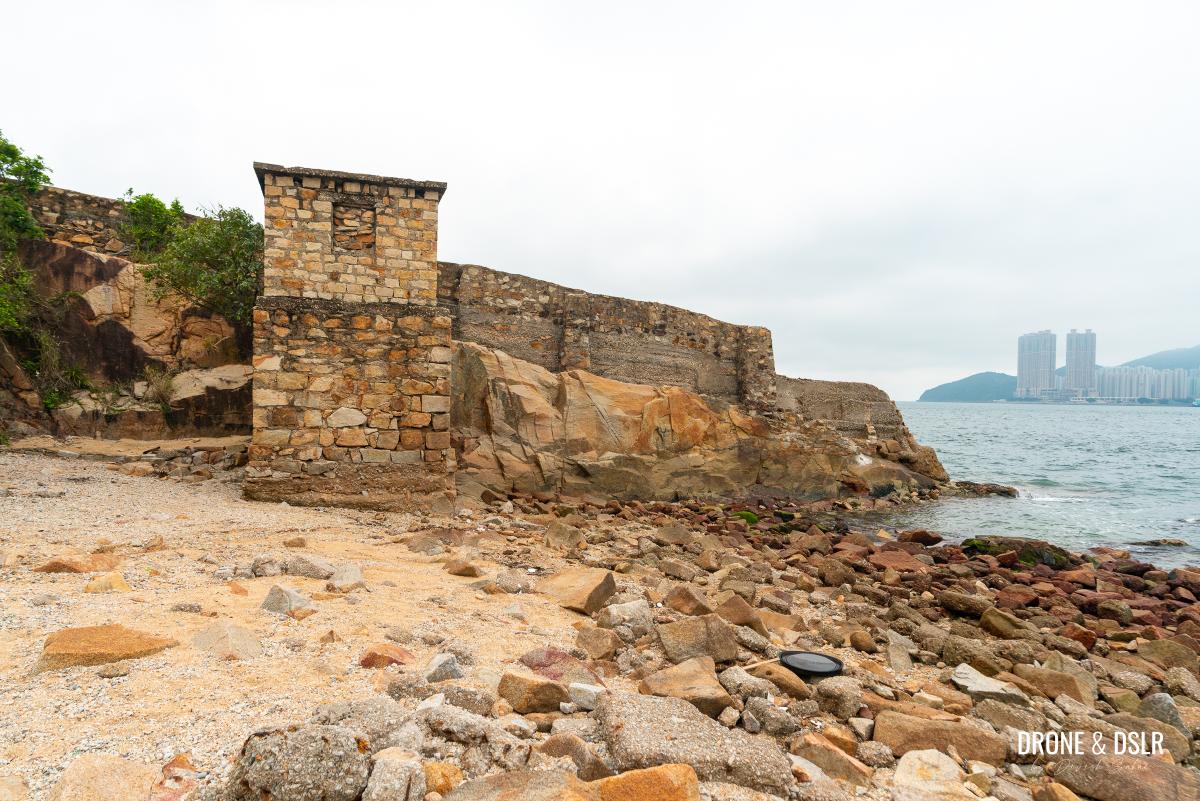
- The old quarry is a beautiful relic just across HK island
-
- Hong Kong Island just across the Old Lei Yue Mun Quarry
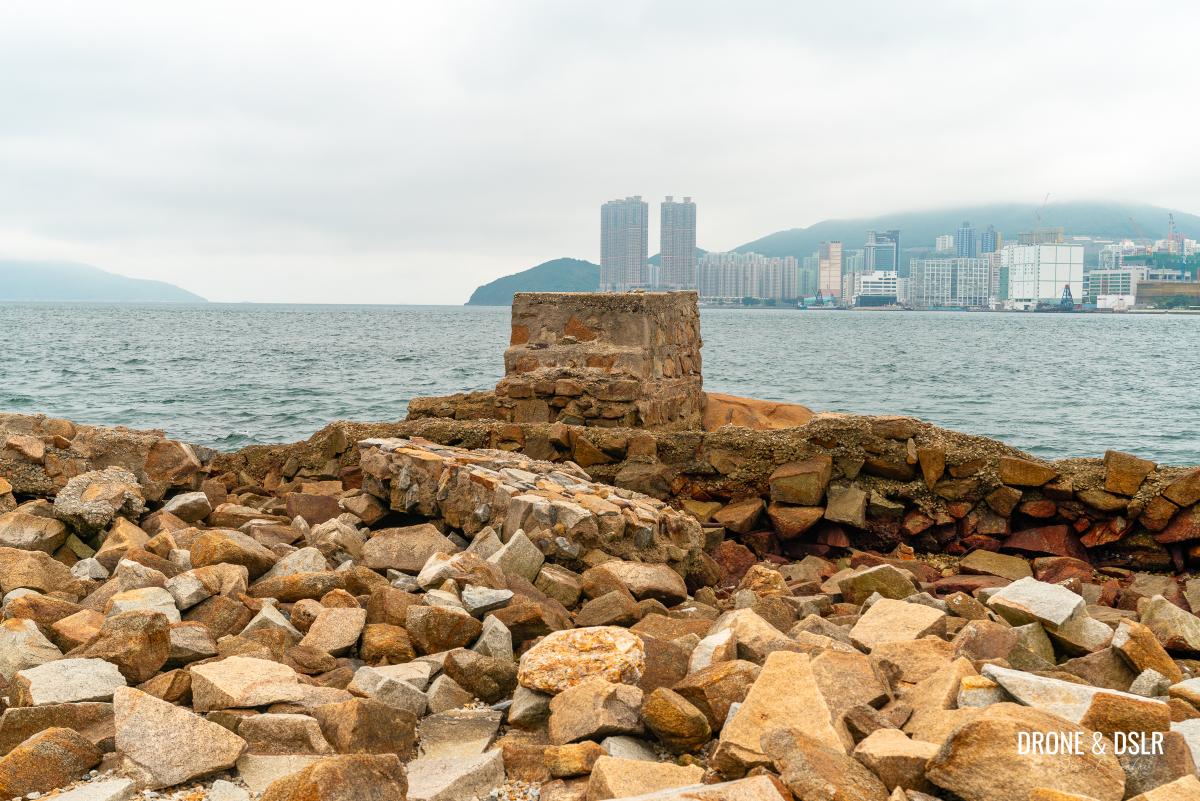
-
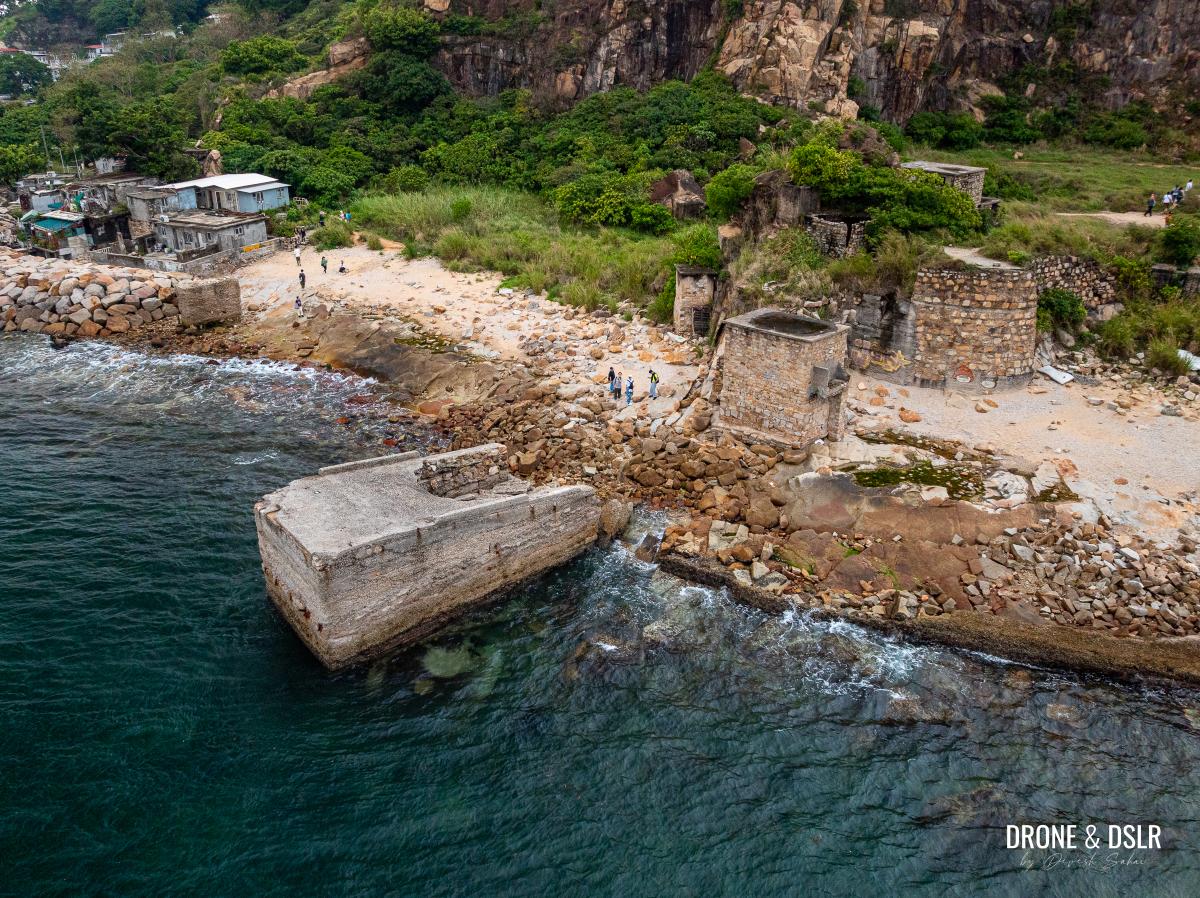
- A loading ramp in the Old Lei Yue Mun Quarry
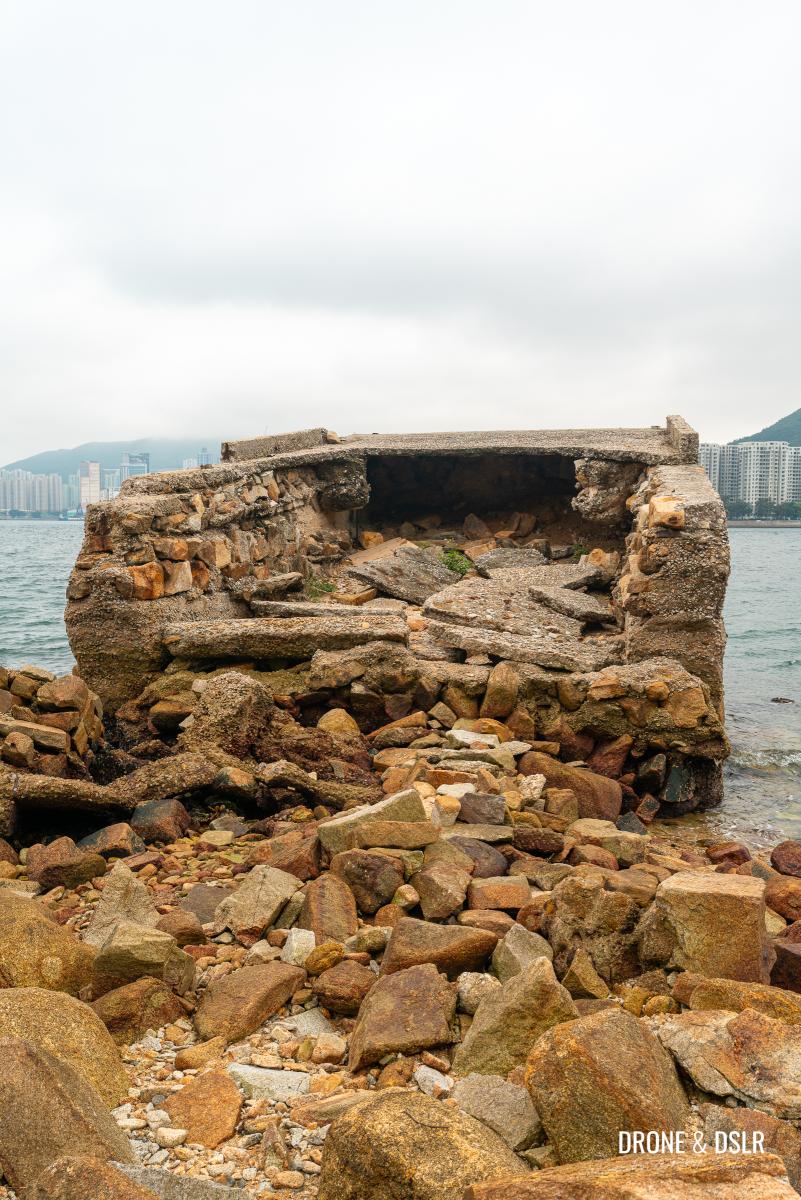
-
- Abandoned structures of the Old Lei Yue Mun Quarry
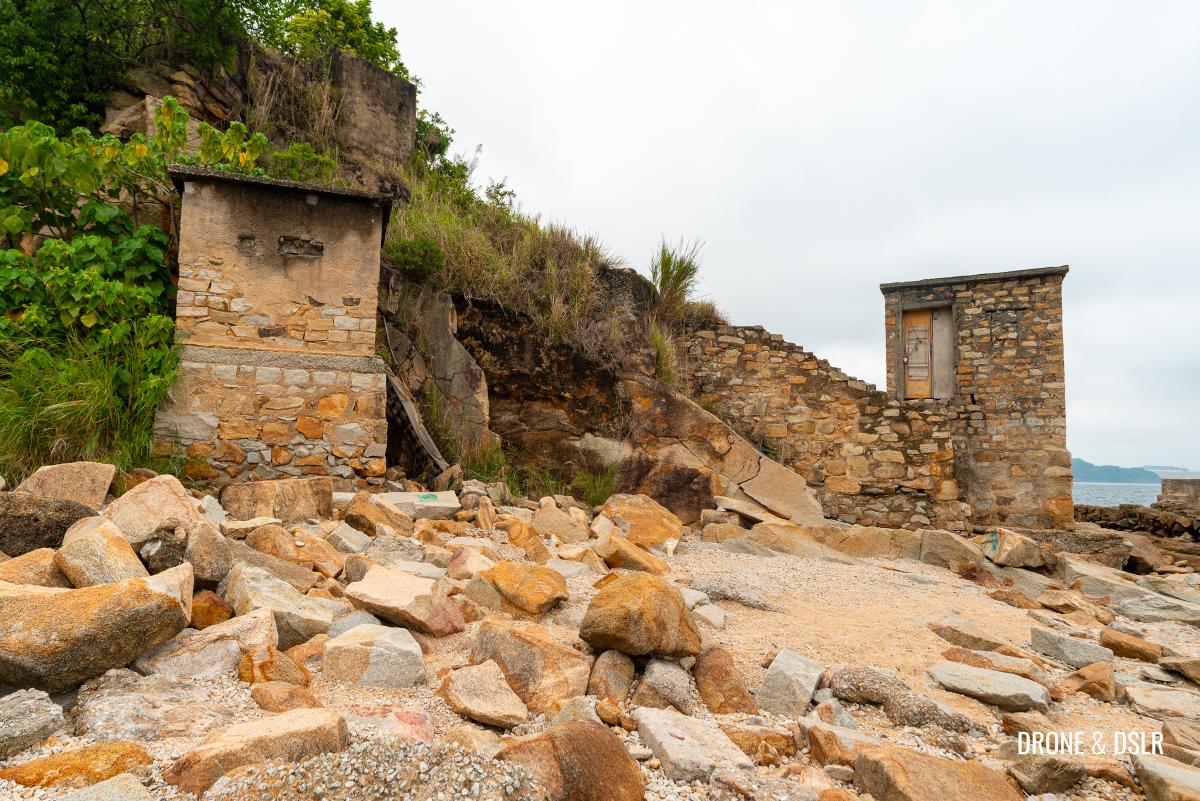
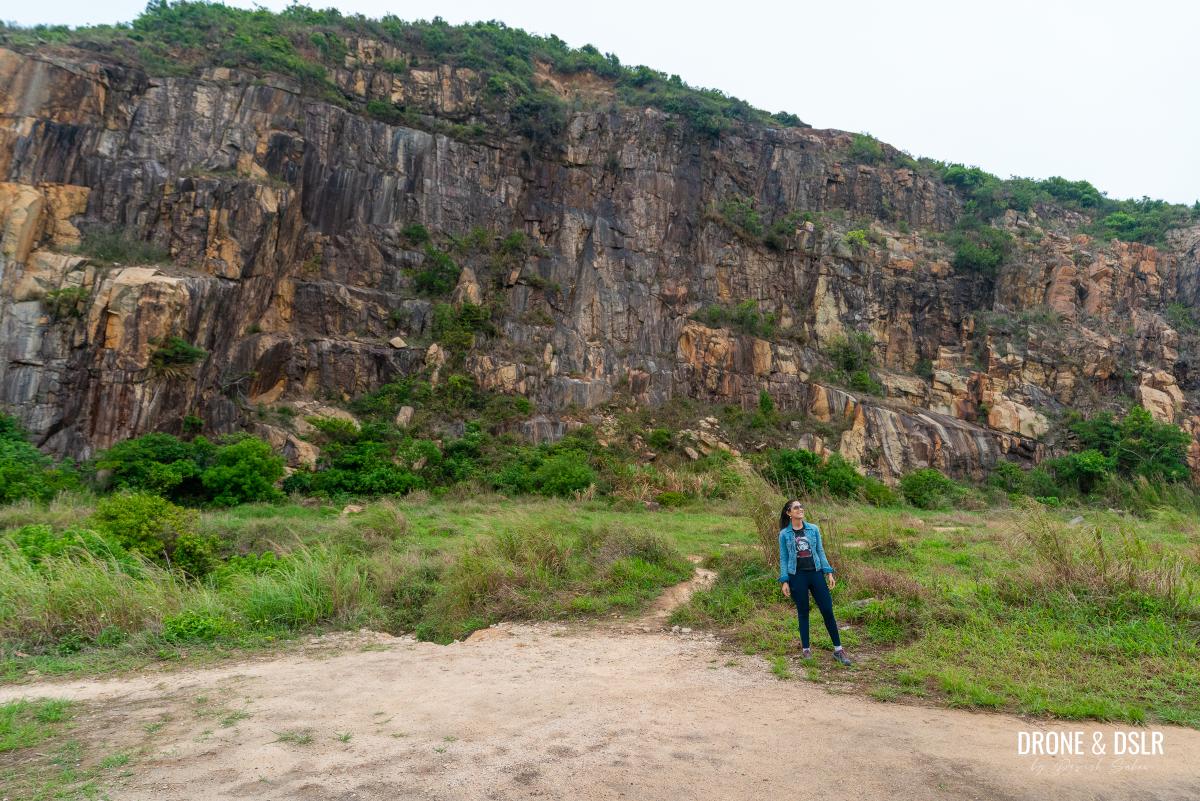
Today, the quarry has become a popular spot for photography and enjoying incredible views of the sea from Lei Yue Mun Point, at the end of the land.
-
- View of Junk Bay behind Lei Yue Mun Point
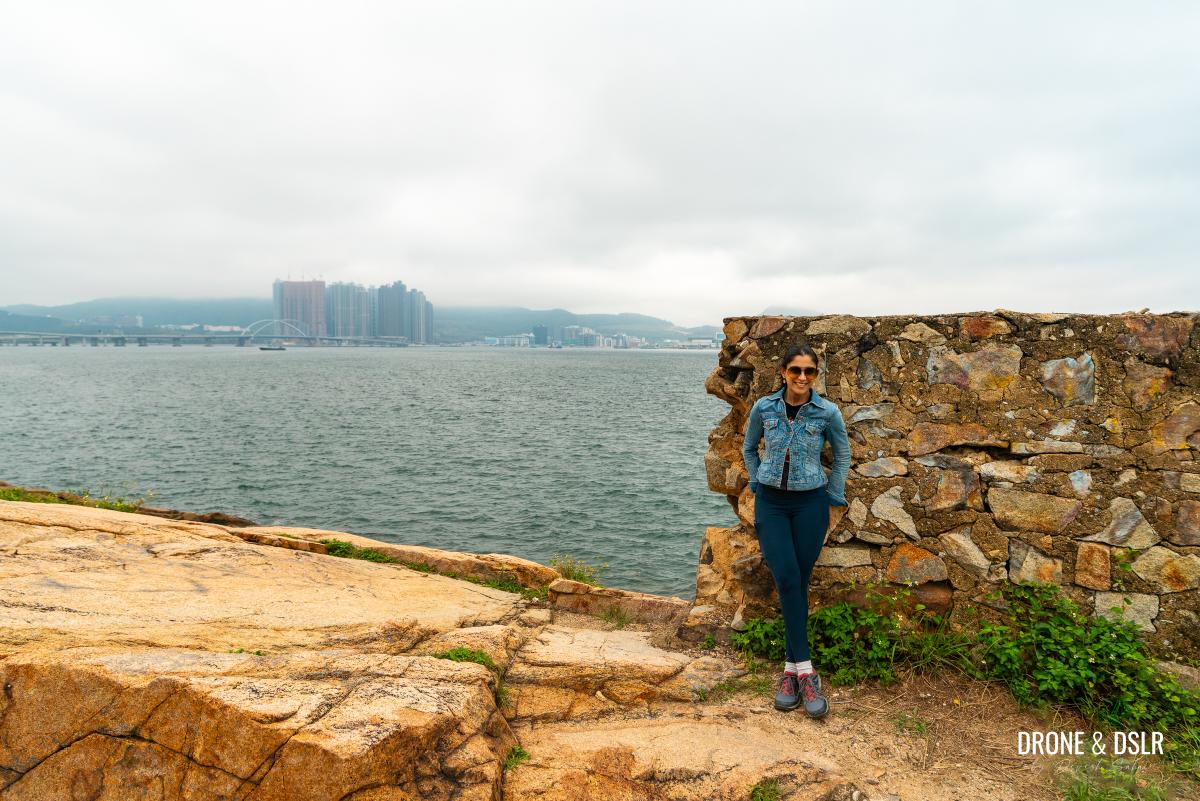
-
- The Old Lei Yue Mun Quarry is quite large (human for scale)
-
- The loading ramp is a stand-out structure at the Old Lei Yue Mun Quarry
-
- Lei Yue Mun Point
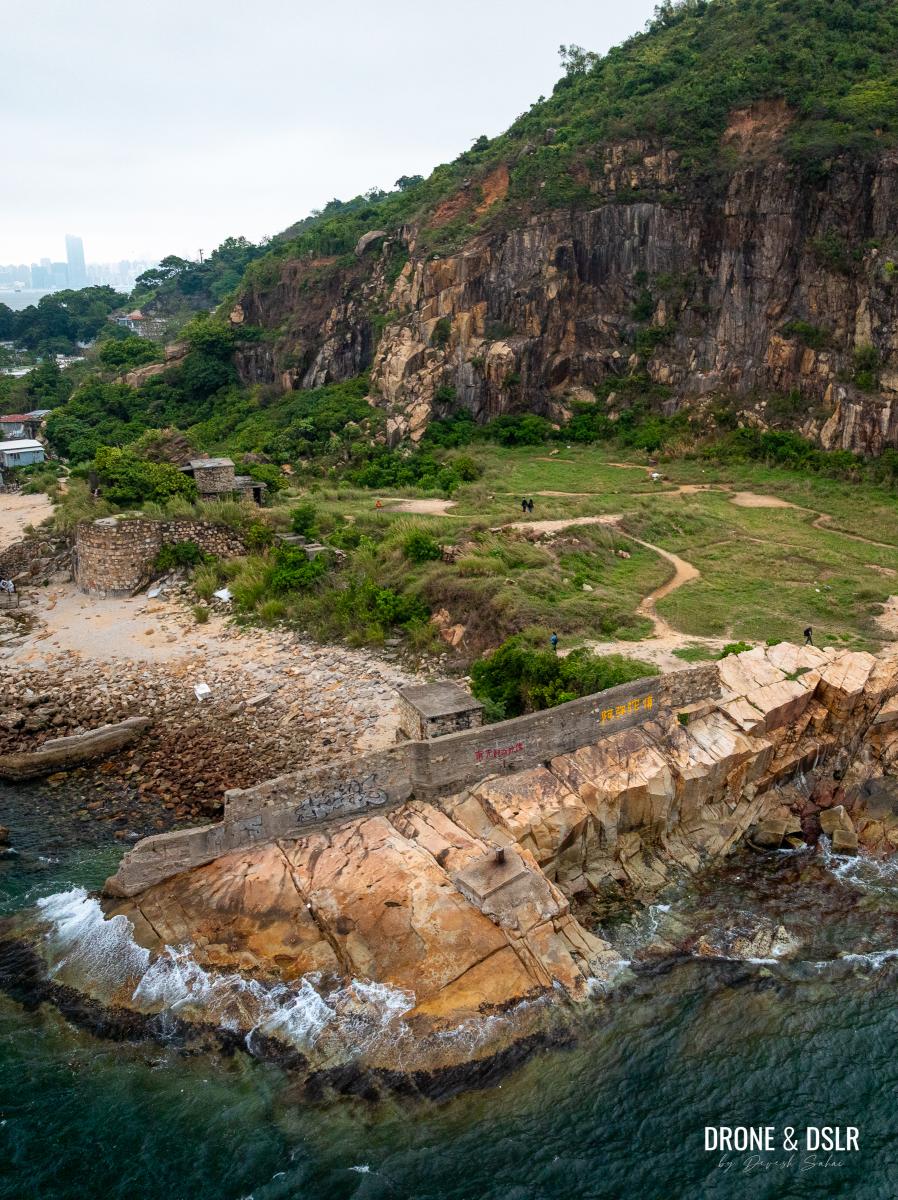
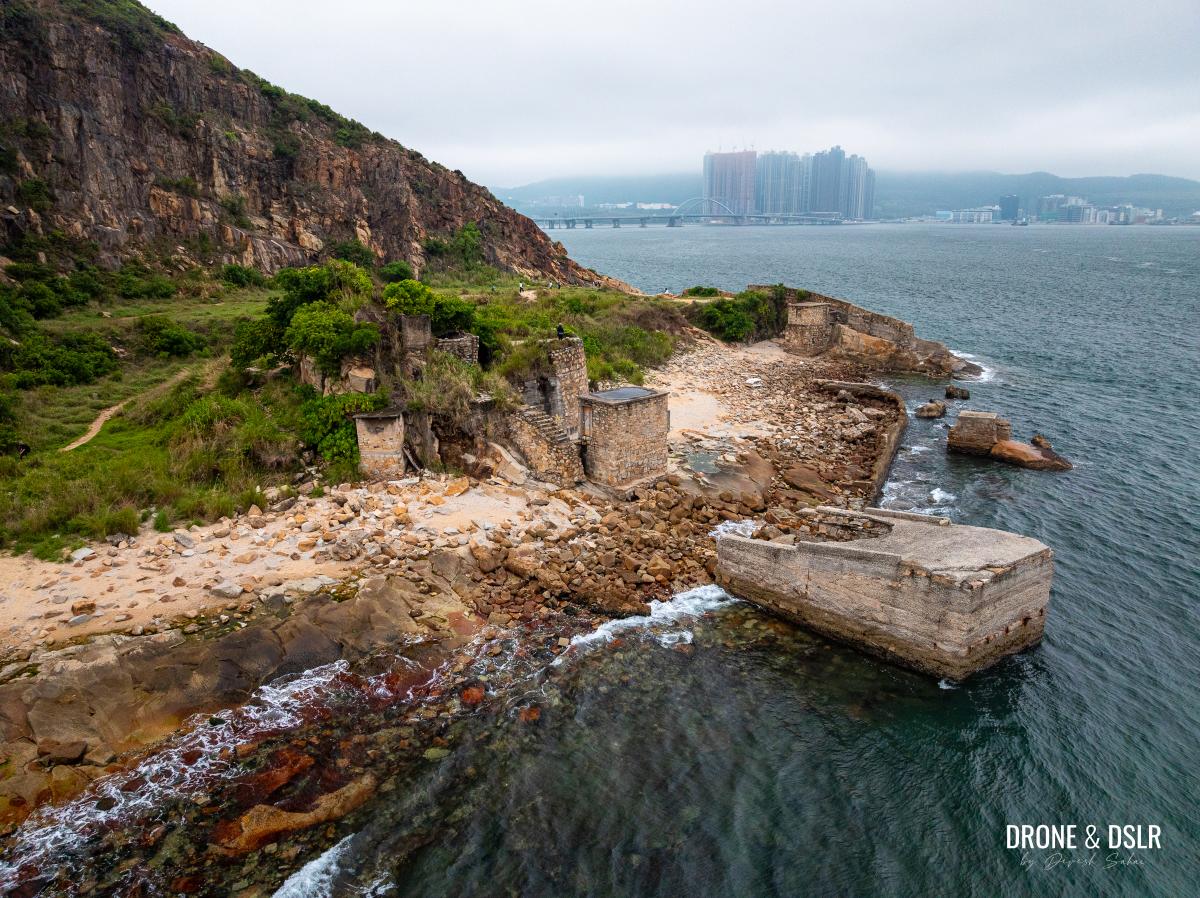
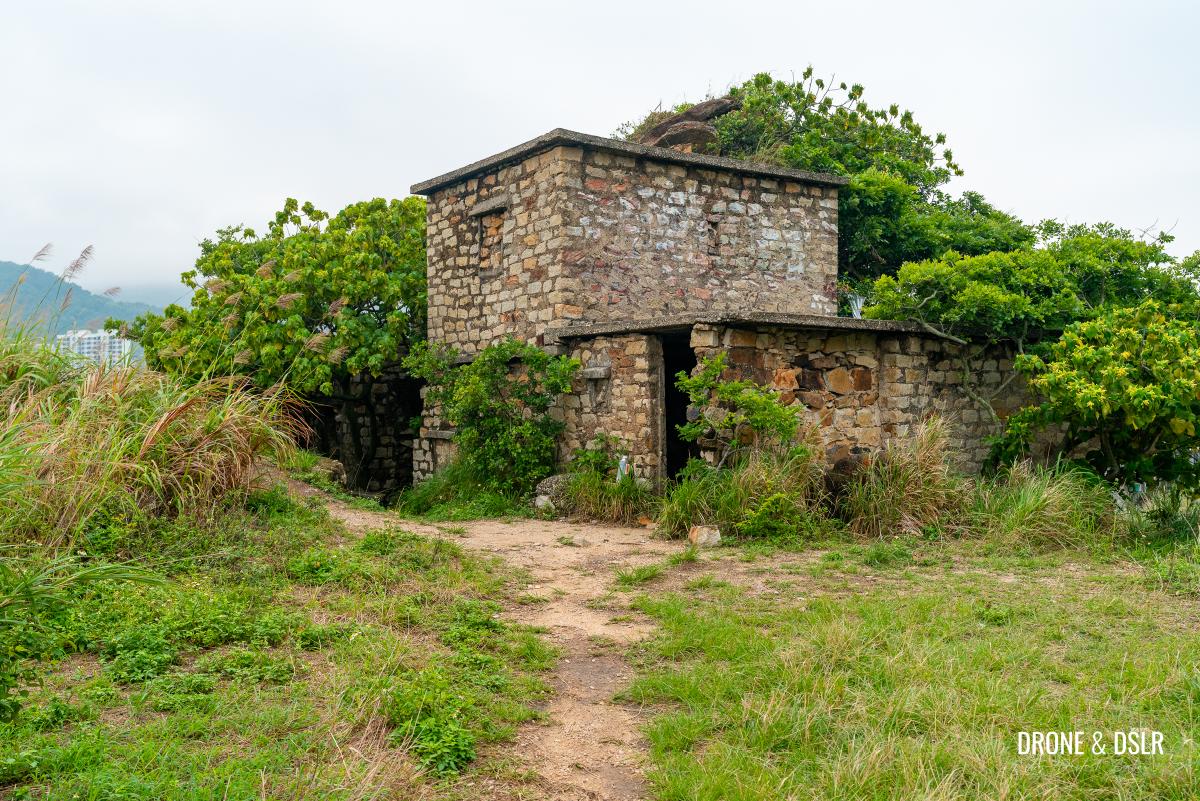
Take your time exploring the abandoned structures, such as the loading ramps and stone houses.
-
- Junk Bay and the old quarry
-
- An aerial perspective of what to explore at the Old Lei Yue Mun Quarry
-
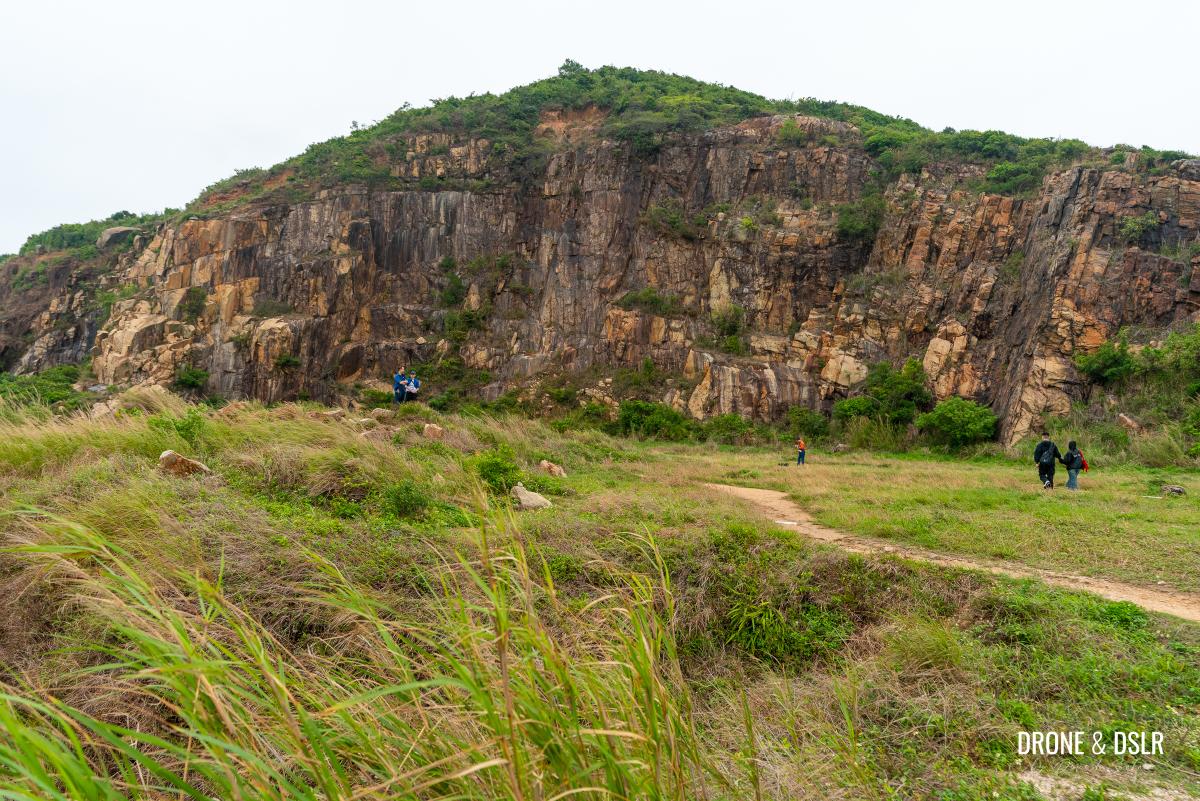
- The Old Lei Yue Mun Quarry is a lush and tranquil spot
-
- Old brick houses at the Abandoned Lei Yue Mun Quarry
Step onto the flat, lush grassy land in front of the quarry for a relaxing stroll and stunning views of Junk Bay and the sea.
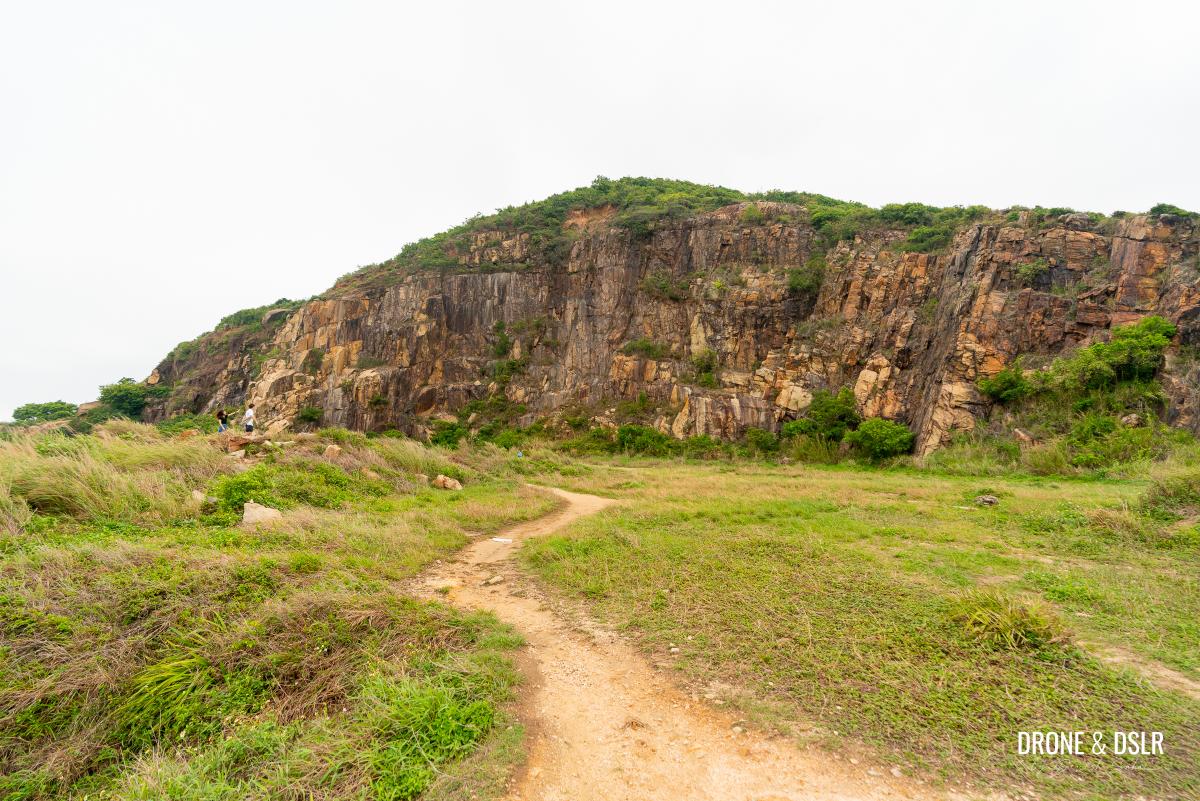
The Old Lei Yue Mun Quarry
Combine Lei Yue Mun with Devil’s Peak
Lei Yue Mun has often served as a post hike destination for us. On many occasions, we’ve ended our Devil’s Peak Hike with a beer and seafood lunch at Lei Yue Mun.
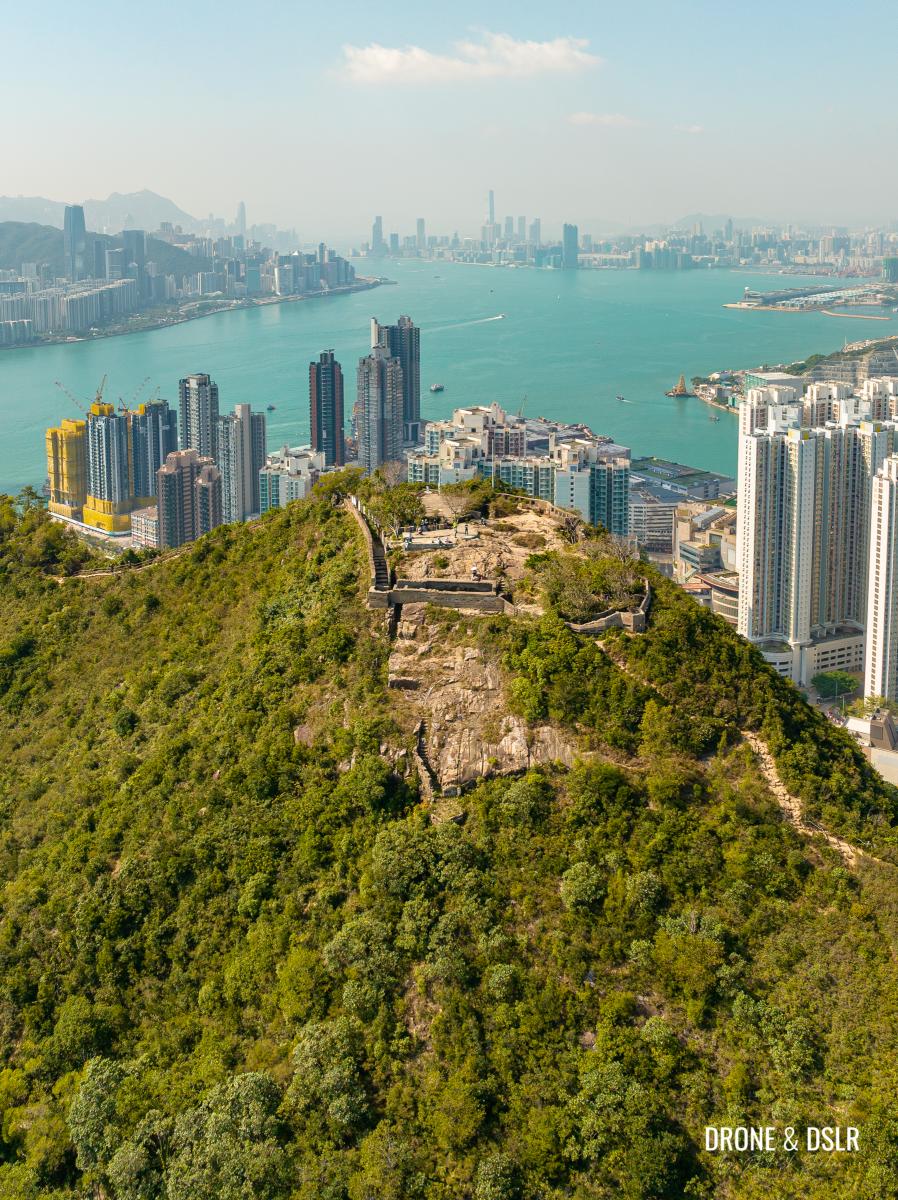
Devil’s Peak, Hong Kong
Lei Yue Mun is located at the base of Devil’s Peak, with the Pottinger Battery located just behind the Old Lei Yue Mun Quarry.
Devil’s Peak is one of Hong Kong’s easier hikes, offering a glimpse into the region’s past. It’s particularly interesting to learn about the strategic importance of Lei Yue Mun to both pirates and the British Army during World War II.
Lei Yue Mun: A Vibrant Summer Destination
Over the past decade, we’ve watched Lei Yue Mun transform from a quiet fishing village into a vibrant destination.
Honestly, it’s one of those places in Hong Kong that’s easy and quick to get to, but it still feels like it’s far away! Lei Yue Mun is particularly appealing in the summer, offering opportunities for exploration even in Hong Kong’s hot and humid weather.
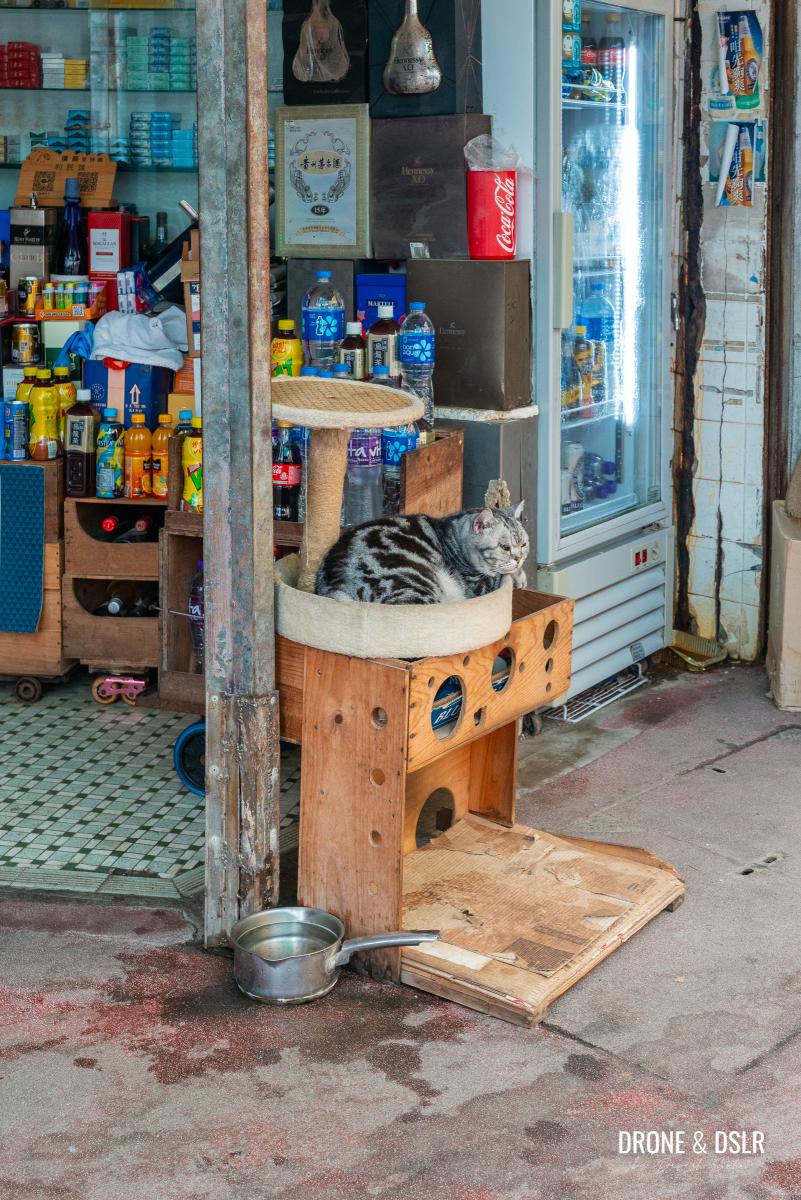
Lei Yue Mun — Where even the cats are chilled
If you enjoy exploring places like Lei Yue Mun, we highly recommend visiting the abandoned Ma On Shan Iron Mine on the Ma On Shan Country Trail. For dramatic coastal views, head to Cape Collinson on Hong Kong Island. And, of course, for excellent seafood, consider a trip to one of the outlying islands, such as Cheung Chau.
We hope you enjoyed our guide to Lei Yue Mun. If you found it helpful, please leave a comment below!
You might also like



Leave a reply